A note on Aunt Kate Hardebeck

Those who followed the Arbuckle case from the beginning were surprised that Virginia Rappe had no family members—or even an extended family. No one came forward to claim her body in a San Francisco mortuary. By the time she was buried in Hollywood Forever Cemetery on September 19, 1921, ten days after her death, Virginia had an adoptive aunt, Kate Hardebeck. Those who attended the funeral noticed that she and her husband, Joseph Hardebeck, had supplied a pillow of roses for their late “niece.”

Although her presence on the stand saw some of better reportage, using the trial transcripts have brought to light the nature of the curious relationship between Virginia—called “Tootiie” in Hardebeck household—and her “Aunt Kate” or “Aunt Kitty.”

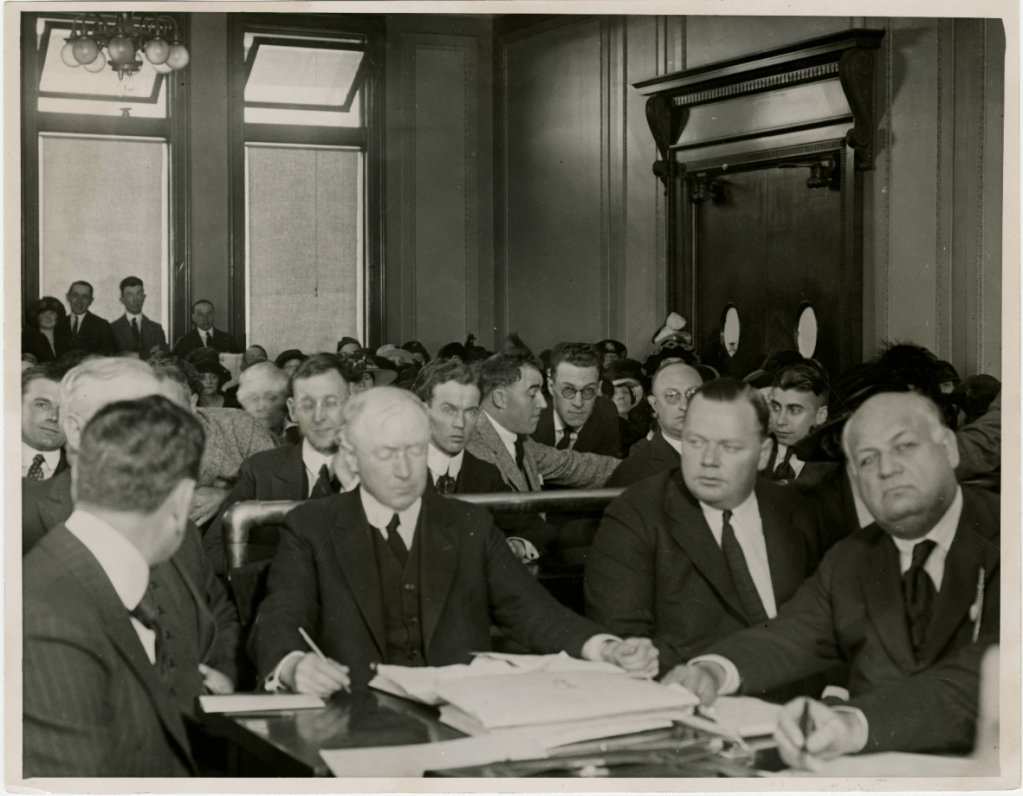
At this writing, I have no photograph of Aunt Kate for my book. Although very likely more of a facilitator than a guardian, Aunt Kate was fiercely loyal to Virginia and proved that on the stand. When she appeared as a rebuttal witness to vouch for Virginia’s good health and sensible lifestyle. Then there was Aunt Kate herself, whom Cohen could not intimidate. According to Bart Haley of the Philadelphia Evening Ledger, Mrs. Hardebeck seemed to be “a self-possessed and clever-looking woman, who in a quiet way had been doing considerable damage to his client’s position”—meaning Milton Cohen. He was not only “Fatty” Arbuckle’s personal lawyer, but Virginia’s as well. Cohen and his partner Frank Dominguez—who was Arbuckle’s first lead counsel—made the legal and financial arrangements for Virginia’s alleged paramour, Henry Lehrman and his Culver City studio in 1919. This allowed for Arbuckle to advance Lehrman the money to actually build two studios in one, thus allowing Arbuckle’s Comique Company to use one half as payback on the loan. This is, of course, a revealing rabbit hole down which to plunge—and something to save for the book.

Cohen, of course, knew a lot about Rappe’s household. He used that to exaggerate what may have been some isolated theatrics, the kind of thing expected of a “wild girl,” a “junior vamp,” to amuse the other film colonists when their parties needed some life, that someone, that is to be the life of the party. Such innocent escapades were transformed into bouts of hysteria that replicated and anticipated the fear if dying, loss of control and distress Virginia exhibited before losing consciousness in room 1219 of the St. Francis Hotel, after being alone with Arbuckle on the Labor Day afternoon of September 5, 1921.[1]

Cohen was very careful with Aunt Kate. Only during the third trial did he come close to revealing that “Uncle Joe” Hardebeck was an ex-convict and, like his wife, dependent on Virginia. But Cohen never did. Instead, he tried to exploit the curious dependence that Aunt Kate had on Virginia, that she was no blood relative, no aunt, but nothing more than Virginia’s housekeeper in Los Angeles, first at her apartment on Ivor Avenue and later at N. Wilton Place. It did not serve Cohen’s narrative to reveal too much about Aunt Kate’s other function, that of companion and chaperone when Virginia, that is, someone to intimidate the “boys,” the category under which Arbuckle fell. But Aunt Kate knew when to step aside, too, and not ask too many questions, like why was Virginia packing a lot more for an overnighter in Selma, just outside Fresno. Aunt Kate surely knew that her “niece” had to make some money, to get work, so that she could keep the Hardebecks and herself under the same roof. Virginia was no less loyal to the couple. This, perhaps, went back to a dire time in Virginia’s early life, after the death of her mother, Mabel Rappe, in 1905, which forced Virginia and her grandmother to move from New York back to Chicago and intermittent homelessness.

“I saw her two or three times a week,” Aunt Kate recalled on the stand, “and she and her grandmother would come out and stay overnight.”

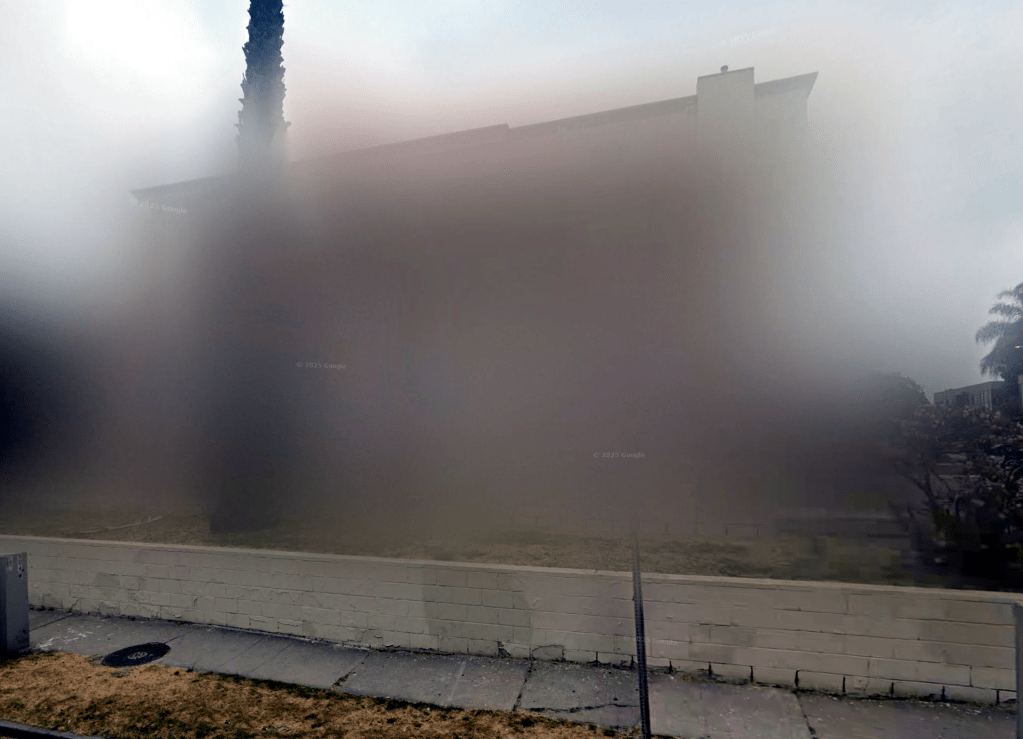
The most current view of Virginia Rappe’s N. Wilton Pl. residence beset in Google “fog.”

Although very little is known about Aunt Kate’s early life, according to census data, she was born near Philadelphia in 1862 and was known as Kate Williams in 1900 and a widow. Her 1910 entry also reveals that she bore at least one child, whose absence might explain her connection to Virgina, which began on the South Side of Chicago, where Aunt Kate once worked as a housekeeper for a boarding house.

In 1903, in Covington, Kentucky, Kate married Joseph Hardebeck (b. 1863), a lawbook salesman. And this vocation certainly explained his title “the Judge,” as the leader of a gang of swindlers whose bad checks cost banks in the United States and Canada over $100,000 in 1909. When he was apprehended in the following year, Hardebeck was sentenced to four years in Missouri’s state penitentiary. Naturally, Aunt Kate told reporters she had no idea and believed her husband would be found innocent. And she stuck by him much as she did Virginia—until he barricaded himself in a bathroom in May 1923, a little over a year after the last Arbuckle trial, and shot himself to death. After that, Aunt Kate got by as a seamstress, something she also did for Virginia, whose outfits made her “the best dressed girl in Hollywood.”


[1] The “wild girl” can be compared to the Hollywood “bad girl” as personified by Bebe Daniels, whose best friend hovered inside the Arbuckle suite and downstairs in the Fable Room of the St. Francis. Arbuckle, incidentally, was a close friend of Bebe and I have a theory that she may have been hovering along with her friend.

“Cover up”? The first day into night for reporters assigned to the Arbuckle case

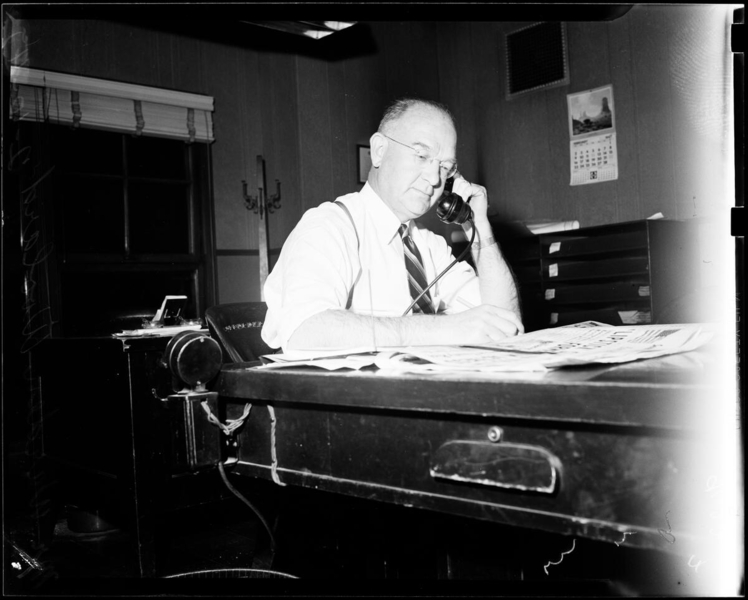
During the second Arbuckle trial of January 1922, the District Attorney of San Francisco, Matthew Brady, subpoenaed a witness who shed light on the comedian’s conduct in the immediate aftermath of Virginia Rappe’s during the early afternoon of September 9, 1921. This was Warden Woolard, a reporter for the Los Angeles Times. His purpose was to contradict Arbuckle’s testimony from the first trial in November on two points: (1) whether he had been alone in his hotel bedroom with Rappe; and (2) whether he had locked the doors. Although Woolard no longer had his notes, he had a good memory and was on the stand with much to tell.

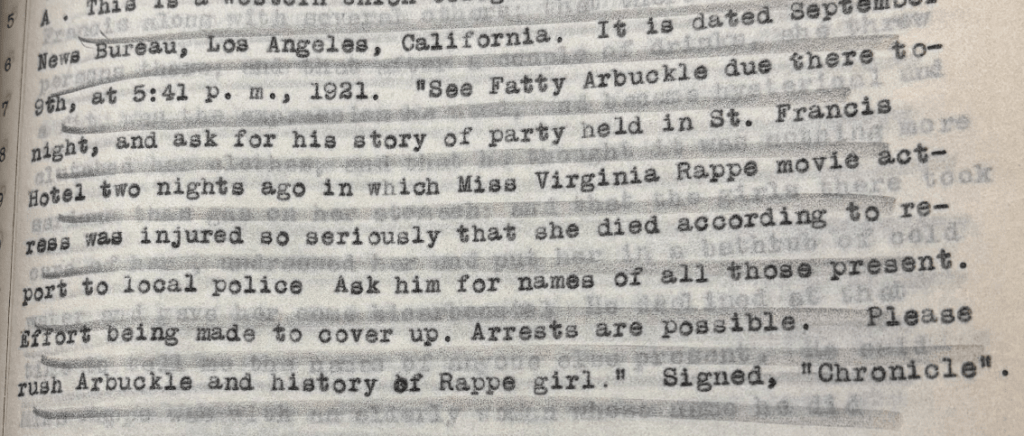
He was prompted to meet Arbuckle by a telegram from the San Francisco Chronicle. It was hard not to ignore its urgency—and both newspapers would sell plenty of copies by sharing information. The Chronicle wanted answers from Roscoe Arbuckle about his Labor Day party of September 5.

The Times sent Woolard to Arbuckle’s Tudoresque mansion on W. Adams Street. The reporter arrived arrived just after 7:00 in the evening. He rang the bell and was met at the front door by an attractive woman who identified herself as Arbuckle’s secretary. This was Catherine Fitzgerald (see “Arbuckle’s housekeeper, secretary and escort: Catherine Fitzgerald”). He gave her his card and she told him to wait outside.

If you are familiar with The Day the Laughter Stopped (1976) by David Yallop, who claimed to have used the trial transcripts to write his book, he describes a rather different scene on p. 132 that was surely intended for a screenplay that any assiduous research would have spoiled.

At 10:30 p.m. that Friday evening, Roscoe Arbuckle sat quietly studying the script for his next picture. The doorbell rang and his butler opened the door. Two dozen reporters charged past the butler, knocking him over. They poured all over the house, taking photographs and looking for Roscoe. Surrounding him, they began to fire questions based on the statements that had already been made in San Francisco by Maude and Alice. [. . .] “Is it true that you screwed five women during the afternoon?”

That is not how it went. According to Woolard, Arbuckle soon appeared. The comedian asked Woolard to follow him away from the house, so that they could talk in private. Arbuckle did not need to be told about what happened in San Francisco earlier in the day. Friends had informed him of Rappe’s death.* And, as their conversation began in earnest, the actor Lowell Sherman joined the two men on the sidewalk. He had apparently come from a back door. Arbuckle denied hurting Rappe. He had only pushed her down on a bed to keep her quiet. And so on. This is in Wallop, all taken from Woolard’s reportage the next day, September 10, as well as that of George Hyde of the Chronicle.

Arbuckle wasn’t “studying” the script for a silent film. Instead, Lowell and other partygoers were getting on the same page and had been getting on that page during the afternoon of September 9. And this continued into the night, when Woolard attended a meeting held in the office of Grauman’s Million Dollar Theater. What Woolard curiously omitted from his testimony was the presence of Arbuckle’s first lawyer, Frank Dominguez. The first thing he did was school Arbuckle with the understanding that anything he said needed to be made only with the advice and consent of counsel. So, I will attempt to square this in the work-in-progress. It may have simply been a courtesy extended by the journalist to one of the most important criminal defense lawyers in Los Angeles during the 1910s and ’20s, the kind of man you heard when he said, “I’m not here,” and you wanted to keep your job.

Warden Woolard did. He went on to enjoy a long and storied career, including assigning reporters to the Black Dahlia case. George Hyde, who likely wired the Times for the initial scoop and wrote the first columns about the Arbuckle case for the Chronicle, either resigned or was released soon after. He went on to testify at the third trial. But offered very little in substance. He came and went from the stand in minutes. His career took another direction. For a time, he worked for various newspapers in Los Angeles, including the Times. But he was never assigned to anything like the death of Virginia Rappe again. For a time he the publicity agent for the evangelist Aimee Semple McPherson. Eventually, he returned to San Francisco, where he poisoned himself in July 1932, “in a fit of despondency,” after a long period of unemployment.

Woolard read the text of the Chronicle’s telegram in open court. The underlining, suggesting its importance, was made by Arbuckle’s lawyer Nat Schmulowitz. (Courtesy of the San Francisco Public Library)

*This was really one “friend,” Rappe’s manager Al Semnacher. He may have monitored her decline, which provided more lead time for damage control. The problem for Arbuckle was his own hubris and the absence of his personal lawyer, Milton Cohen, Dominguez’s law partner, who was en route from New York during this critical time.

Arbuckle’s testimony of November 28, 1921 – Revised and Expanded

No celluloid will ever show the like of it or scenario tell the equal of it. It is Fatty’s masterpiece.

—Freda Blum

On the morning Roscoe Arbuckle was to testify, November 28, 1921, it was rumored that an unidentified attorney threatened to quit the comedian’s “million-dollar defense” team. According to the Los Angeles Express, this was Milton Cohen, angered over the lead defense attorney, Gavin McNab, mulling the idea that it might be better not to have the defendant testify. Chandler Sprague in the San Francisco Examiner reported one possible reason for McNab’s hesitation: that “certain business interests were adverse” to the comedian testifying, a veiled reference to one man, surely, Adolph Zukor, who was hardly as sanguine about Arbuckle making a comeback as his manager and chief fund raiser for his defense, Joseph Schenck, and the man assigned to watch his clients in Hollywood, Lou Anger.

There was also dissension on the prosecution’s side. Milton U’Ren, a veteran assistant district attorney, had been passed over to lead the cross-examination of Arbuckle. He was angry enough to resign from the case as well, a case that he had largely developed with the approval of District Attorney Matthew Brady. During the noon recess, U’Ren could be heard arguing with Brady in the Hall of Justice because his fellow prosecutor, Leo Friedman, had hardly made a dent in Arbuckle.

Most reporters expected the comedian to do well and eclipse anything thus far said from the witness chair. Otis M. Wiles for the Los Angeles Times used a slapstick term for the comedian’s impending appearance as a “climax stunt.” Early into his cross-examination, Arbuckle impressed most of the reporters who saw and heard him. Who they were rooting for, too, was evident in their copy. According to Bart Haley of Philadelphia’s Evening Public Ledger, Arbuckle

revealed himself in his narrative as the most piteous of fat men, the most tragically used of all good Samaritans, an amiable individual whose rooms were invaded by uninvited guests, who ate his food and borrowed his motorcar, and ran up a big bill on him and got him into a pit of trouble with the hotel management before they finally started him on the way to jail under a charge of murder.[1]

Earl Ennis of the San Francisco Bulletin seemed to applaud Arbuckle as well. But he also touched on what the monitors of the Women’s Vigilant Committee—and Zukor as well—knew would be hard to square. “There was nothing nice about Arbuckle’s story—noting elevating,” Ennis wrote, “It was a ‘booze party,’ pure and simple with jumbled elements involved—salesmen, movie stars, women, all scrambled unconventionally into an afternoon’s entertainment.”[2]

What follows is a revised version of our “provisional” transcript of Arbuckle’s testimony, which is likely the most complete version available since no state transcript has been preserved or discovered. For the most part, it is based on four San Francisco dailies—the Bulletin, Call, Chronicle, and Examiner—which employed their own stenographers.

Most of the reporters covering the trial believed that Arbuckle had secured his acquittal. As it turned out, at least two jurors were unconvinced and saw Arbuckle as an actor playing a role. Indeed, the testimony reads as if it were tailored or, to use the language of the cinema, a recut of previous testimony by other witnesses to fit the image of a gentler Good Samaritan Arbuckle that would befit the public image of “Fatty.” This includes his original statement issued on the night of September 9, 1921, the day Virginia Rappe died, and published the next day in the morning Los Angeles Times. That statement, which was vetted by Arbuckle’s original lead attorney, Frank Dominguez, only states that “After Miss Rappe had a couple of drinks she became hysterical and I called the hotel physician and the manager.” In its place, however, Arbuckle posits a much expanded series of events.

Traces of the real Virginia Rappe emerge here and there in the testimony. There was even a moment of unintended silence just before the noon recess, when Deputy Coroner Jane Walsh entered the courtroom, carrying Rappe’s bladder, preserved in a glass jar and placed on the evidence table. But in Arbuckle’s account of September 5, 1921, Rappe remains a cipher, a poseable doll even before she is found on the bathroom floor. The comedian is very careful to avoid how well he knew Rappe. They had a certain rapport. But here the comedian quite literally turns his back on her the moment she made her way to his bedroom. This way, he can assert that he was unaware that she was there when he entered to get dressed in order to go “riding” with the other woman in his story, Mae Taube.

Though Arbuckle’s testimony is ductile, that fits and twists and conforms to what really happened in room 1219, it suggests to us that the injury that was inflicted on Rappe took place in the bathroom and even has the outlines of sexual imposition. Laws had been on the books for decades in regard to the temptations of hotel and furnished room accommodations as dens of lasciviousness, fornication, and adultery. But for casual sex during a party in a smallish three-room hotel suite, the privacy for such intimacies (and immediacies) could be found in the bathrooms. If there was a sexual encounter that preceded or led to the injury, the bathroom would have provided a space with greater privacy and sound dampening, not to mention conveniently located fixtures such as a sink, a toilet, and towel rods for grab irons, as well as the hard surfaces on which to brace oneself. The brass bedsteads in room 1219, shown in E. O. Heinrich’s photographs, could also serve this purpose. But Arbuckle, much as he was proud to cross his leg, likely could do it Venus observa.

What was termed an “official transcript” lacked much of Arbuckle’s real “voice” dismissing Friedman’s skepticism and often making him Fatty’s straight man. But the seeming frustration and incompetence seen in the youngest member of the prosecution is exaggerated. Friedman’s approach likely relied on the jury’s perception of subtleties in Arbuckle’s testimony that reveal it to be rehearsed, coached, and a piece of fiction. We also see places where Friedman should have probed more deeply, such as Arbuckle’s making his friend and roommate at the St. Francis Hotel, the comedy director Fred Fishback, a patsy for the liquor and inviting Rappe at the behest of his friend, Ira Fortlouis, a San Francisco gown salesman, the latter being mysteriously expelled from the party at the time of Rappe’s crisis.

It was Fortlouis’s sighting of—or rather attraction to—Rappe that resulted in her invitation to Arbuckle’s suite. Did Fortlouis pay so much attention to her that Arbuckle saw a rival to his own attentions to Rappe? And why did Friedman not ask about the vomit? It seems as though Rappe vomited copiously and it’s unlikely all of it would have gone down the toilet, yet that word is absent in all the other testimonies. In the testimony of party guests Zey Prevost and Alice Blake, the back of Arbuckle’s pajamas is visibly wet. The double bed in which Rappe was wet. But nothing was asked about the source of the wetness, as though it were a taboo subject. One must wonder if there was a code among newspaper editors that prevented them from reporting specific details. (Interestingly, the prosecution’s criminologist E. O. Heinrich reported on old semen stains he found on the mattress pads and bedclothes, but these had already gone through the laundry and could have come from other guests. For this reason, Milton U’Ren elected to pursue only the fingerprint evidence and the marks left by the French heels of Maude Delmont’s kicking the door—which Arbuckle said that he didn’t hear.)

The same might be asked about the defense attorneys who failed to subpoena May Taube. She was possibly Arbuckle’s only close friend at the hotel that day. She was seen by other party guests in the early afternoon, as Arbuckle’s testimony states. But in her one statement to the District Attorney, she left because she didn’t know anyone there, which refers to the women and with the implication that they were low by her standards. Friedman does establish that Arbuckle introduced Taube to one of these women, indeed, Virginia Rappe. But that is as far as he takes it, leaving it to the jury and us to see if there was a “woman scorned.”

Taube could have easily corroborated the story Arbuckle tells in the following transcript. She would also have been a perfect character witness. Although she didn’t go “riding” with Arbuckle on Labor Day afternoon, Mrs. Taube spent the night of September 5 dancing with him in the St. Francis ballroom according to her statement to the DA. But she is never called in any of the three Arbuckle trials. That she was that untouchable suggests she held a certain leverage. (See our Taube entry for more information about her.)
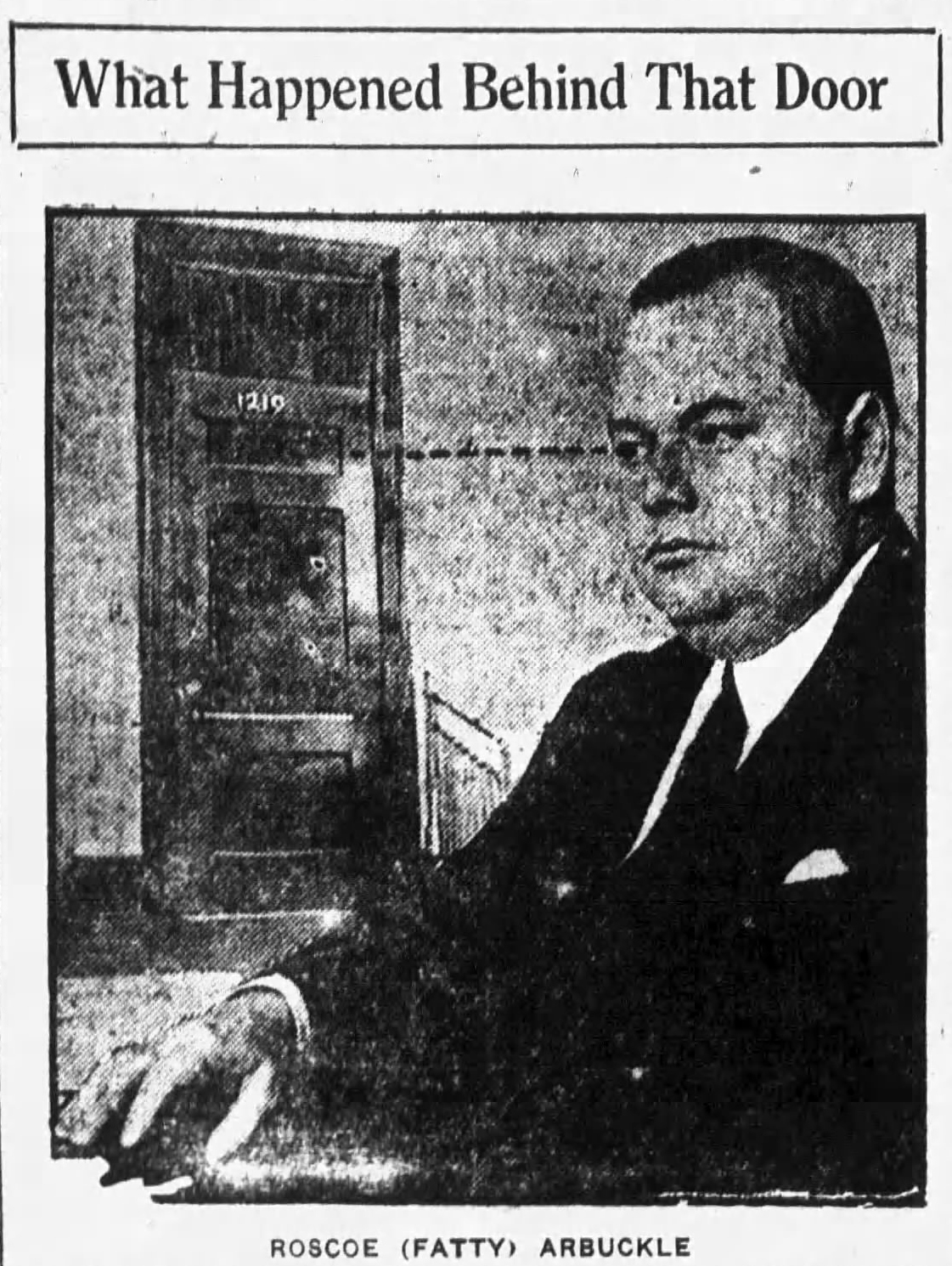
modesto_evening_news_mon__nov_28__1921_-1Satirical photograph published in the Modesto Evening News, November 28, 1921 (Newspapers.com)

[1] Bart Haley, “Fatty, Cool on the Stand, Recites New Version of Miss Rappe’s Hurt,” Evening Public Ledger, 29 November 1921, 1.

[2] Earl Ennis, “Crowded Court Listens Tensely as Actor Tells Details of Tragic Party,” San Francisco Bulletin, 28 November 1921, FS1.


Arbuckle: My name is Roscoe Arbuckle. I am a movie actor. [. . .]
McNab: Mr. Arbuckle, where were you on September 5 of this year?
A: At the St Francis Hotel.
Q: What rooms did you occupy at the St. Francis Hotel?
A. 1219, 1220 and 1221.
Q: Did you see Virginia Rappe on that day.
A: Yes, sir.
Q: At what time, and where?
A: She came into 1220 about 12 o’clock, I should judge.
Q: That is 1220, your room at the St, Francis Hotel?
A: Yes, sir.
Q. Who were there when she came?
A: Mr. Fortlouis, Mr. Sherman, Mr. Fischbach[1] and myself.
Q: Did Miss Rappe come to those rooms by your invitation?
A: No, sir.
Q: Who, if anybody, joined your party?[2]
A. A few minutes —
Q: Joined the company in your rooms?
A: A few minutes after Miss Rappe came in Mrs. Delmont came in.
Q: Dd you know Mrs. Delmont previous to that time?
A: No, sir.
Q: Was Mrs. Delmont there by your invitation?
A: No.
Q: Who else came in, if anybody?
A: Miss Blake came in.
Q: Did Miss Blake come there by your invitation?
A: No, sir.
Q: Anybody else come?
A: Yes, Miss Prevost came later.
Q: Did Miss Prevost come by your invitation?
A: No, sir.
Q: Anybody else come?
A: Mr. Semnacher came in.
Q: Did Mr. Semnacher come by your invitation?
A: No, sir.
Q: Did anybody else come?
A: Yes, sir, Mrs. Taube and another lady.[3]
Q: Did Mrs. Taube come by your invitation?
A: Yes, sir.
Q: How were you dressed on that occasion?
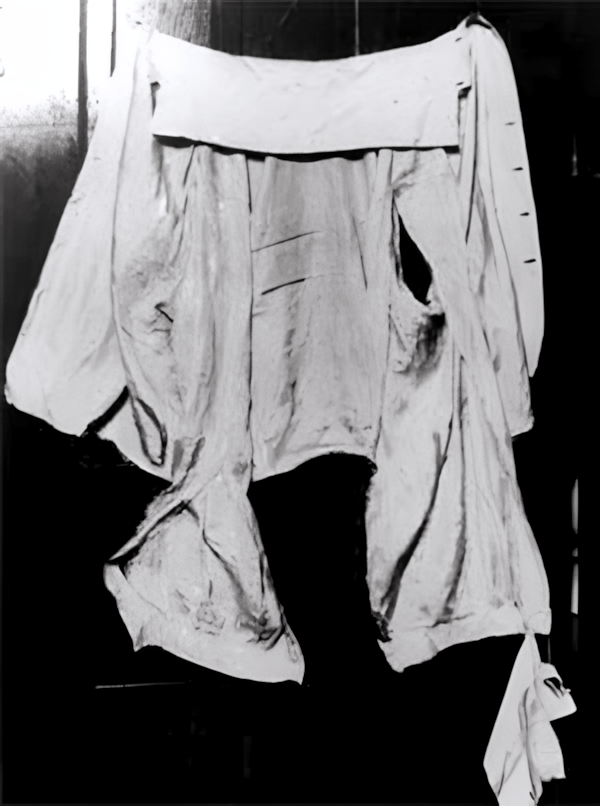
A: I was dressed in pajamas and bathrobe and slippers.
Q: I will ask you if this is the bathrobe that you wore on that occasion (showing bathrobe to witness).
A:  Yes, sir, my robe, yes, sir.
Q: I will ask the ladies and gentlemen of the jury to look at this; this has been much commented on in evidence.
Q: Did you at any time during that day see Miss Virginia Rappe in room 1219?
A: Yes, sir.
Q: About what time.
A: Around 3 o’clock.
Q: How do you know it was about 3 o’clock?
A: I looked at the clock; I was going out.
Q: And what fixes—what caused you to look at the clock at that time?
A: I had an engagement with Mrs. Taube, and she came up about 1:30, but I had loaned Mr. Fischbach my car and she said she would wait downstairs until he came back; and he said he was going to the beach and he would come back just as soon as he could, so I figured it was about time for him to come back, so I looked—
Mr. Friedman: Just a moment. We ask that everything after the words “I figured” be stricken out as a conclusion of the witness.
The Court: It goes out.[4]
Mr. McNab: Where, if any place, previous to seeing Miss Rappe in 1219, where last before had you seen her?
Arbuckle: In 1220; I saw her go into 1221.
Q: And when you entered—at what time did you enter 1219?
A: Just about 3 o’clock.
Q: At the time you entered 1219 was or not the door between 1219 and 1220 opened?
A: Yes, sir, it was open.
Q: Did you know at the time you entered 1219 that Miss Rappe was there?
Mr. Friedman: Now, that is objected to as calling for the conclusion of the witness, and as leading and suggestive. And upon the ground that the question has already been asked and answered.
Mr. McNab: I have not asked that, and the question is not leading.
The Court: Objection sustained.
Mr. McNab: Did your honor sustain the objection?
The Court: Sustained the objection.
Mr. McNab: At the time you entered 1219, I understand the door between 1219 and 1220 you state was open?
Arbuckle: Yes, sir.
Q: And where in 1219 did you see Miss Rappe?
A: I did not see her in 1219.
Q: Where did you see her?
A: I found her in the bathroom.
Q: Of what room?
A: Of 1219.
Q: And under what circumstances did you find her in the bathroom?
A: When I walked into 1219, I closed and locked the door, and went straight to the bathroom and found Miss Rappe on the floor holding her stomach and moving around on the floor. She had been vomiting [ill].[5]
Q: What did you do? Explain to the jury all the circumstances which occurred in the bathroom of 1219.
A: When I opened the door the door struck her, and I had to slide in this way (illustrating) to get in, to get by her and get hold of her. Then I closed the door and picked her up. When I picked her up, [I held her, and she was ill again]; I held her under the waist, like that (indicating), and by the forehead, to keep her hair back off her face.
Q: Then what else occurred? Give the jury all the circumstances occurring in the bathroom of 1219.
A: I took a towel and wiped her face, she was still sitting there holding her stomach, evidently in pain, and she asked for a drink of water.
Mr. Friedman: We ask that the words “evidently in pain” be stricken out.
Mr. McNab: It may go out.
Q: She asked for a drink of water, and I gave it to her, and she drank a glass of water, and she asked for another glass, and I gave it to her, and she drank another half a glass of water.
Q: What else happened?
A: I asked her if I could do anything for her. She said no, she would just like to lie down; so I lifted her into 1219 and sat her down on the small bed and she sat on the bed with her head toward the foot of the bed.
Q: What else did you do, if anything?
A: She just expressed a wish that she wanted to lie down; that she had these spells; that she wanted to lie down a while. I lifted her feet off the floor and put them on the bed; she was lying this way, with her feet off the bed, and I went into the bathroom and closed the door.
Q: What else happened when you left, the bathroom and returned to 1219, if anything?
A: I came back into 1219 in about—well, I was in there about two or three minutes, and I found Miss Rappe between the beds, rolling about on the floor, holding her stomach and crying and moaning, and I tried to pick her up, and I couldn’t get hold of her; I couldn’t get alongside of her to pick her up, so I pulled her up into a sitting position, then lifted her on to the large bed and stretched her out on the bed. She turned over on her left side (Arbuckle said Miss Rappe was taken ill again) and started to groan and I immediately went out of 1219 to find Mrs. Delmont.
Q: Whom did you find in 1220 when you went there?
A: Miss Prevost.
Q: Did you advise Miss Prevost of the condition of Miss Rappe?
A: Yes, I just said “Miss Rappe is sick.”
Q: Did Miss Prevost go into 1219 at that time?
A: Yes, sir.
Q: What else happened?
A: Just a few minutes after Mrs. Delmont came—not a few minutes, just may be a few seconds—Mrs. Delmont came out of 1221 and I told her and she went into 1219 and I followed behind her.
Q: What happened in 1219 then?
A: Miss Rappe was sitting up on the edge of the large bed, tearing her clothes in this fashion (illustrating), tearing and frothing at the mouth, like in a terrible temper, or something—
Mr. Friedman: We ask, of course, that the words “like in a terrible temper” be stricken out as a conclusion of the witness.
Mr. McNab: That may go out.
The Court: It goes out.
Mr. McNab: What else? Give the. jury a narrative of what occurred at that time in 1219.
Arbuckle: I say, she was sitting on the bed, tearing her clothes; she pulled her dress up, tore her stockings; she had a black lace garter, and she tore the lace off the garter. And Mr. Fischbach came in about that time and asked the girls to stop her tearing her clothes. And I went over to her, and she was tearing on the sleeve of her dress, and she one bad sleeve just hanging by a few shreds. I don’t know which one it was, and I says “All right, if you want that off I will take it off for you.” And I pulled it off for her; then I went out of the room.
Q: Did you return to the room later?
A: Yes, sir, some time later.
Q: What was occurring in the room at that time, when you returned?
A: Miss Rappe was then on the little bed nude.
Q: What occurred?
A: I went in there and Mrs. Delmont was rubbing her with some ice. She had a lot of ice in a towel or napkin, or something, and had it on the back of her neck, and she had another piece in her hand and was rubbing Miss Rappe with it. massaging her, and there was a piece of ice lying on Miss Rappe’s body. I picked it up and said, “What is this doing here?” She says, “Leave it here; I know how to take care of Virginia,” and I put it back on Miss Rappe when I picked it up and I started to cover Miss Rappe up, to pull the spread down from underneath her so I could cover her with it, and Mrs. Delmont told me to get out of the room and leave her alone, and I told Mrs. Delmont to shut up or I would throw her out of the window, and I went out of the room.
Q: What else occurred? Tell the jury what did you do? Anything further?
A: I went out of the room, and Mrs. Taube came in and I asked Mrs. Taube if she would phone Mr. Boyle, and we went into 1221, and Mrs. Taube picked up the phone and phoned Mr. Boyle and asked him to come up to the room and get a room for Miss Rappe.
Q: What occurred after that?
A. I went back into 1219 and told Mrs. Delmont to get dressed, that the manager was coming up, and she went out to get dressed, and she pulled the spread down underneath—from underneath Miss Rappe, down below, underneath her feet, and put it up over her, and went back into 1221.
Q: What further happened?
A: Mr. Boyle came in; he came to the door of 1221.
Q: What occurred thereafter?
A: I took him in to where Miss Rappe was lying in 1219.
Q: And what was done then?
A: Mrs. Delmont came in and we put a bathrobe on Miss Rappe, Mrs. Delmont and myself.[6]
Q: Where did you get the bathrobe?
A: Out of the closet; it was Mr. Fischbach’s robe.
Q: And what then was done?
A: We took her around through the hall into 1227.
Q: How did you get out of 1219?
A: Took her out of the door leading into the hall.
Q: Who opened the door?
A: Mr. Boyle.
Q: How did you get Miss Rappe around to 1227?
A: I carried her part of the way. She was limp and did not have any life in her body. She kept slipping, and I got about three-quarters of the way and I asked Mr. Boyle—I did not ask him to take her, I asked him to boost her up in the middle so I could get another hold of her, and he just took her right out of my arms and we went into 1227.
Q: Then what occurred in room 1227, if you know?
A: We put her to bed and covered her up, and I asked Mr. Boyle if he would get a doctor; and I walked back to the elevator with him and then I walked on into the room, into 1219.
Q: Was the door between 1219 and the hall unlocked throughout the day?
A: lt was, so far as I know. Mr. Fischbach went out that way.
Q: You saw him go out.
A: Yes, sir.
Q: And when you took Miss Rappe out, the door was open from the bedroom of 1219, was it?
Mr. Friedman: We object to the question as leading.
Mr. McNab:  Well I withdraw it. How was the door open from 1219 into the hall?
Arbuckle: Mr. Boyle just walked over and opened it.
Q: Was or was not the window of room 1219 open that day?
A:  lt was always open.
Friedman: Just a moment. We ask that the answer “always open” be stricken out.
Court: It goes out.
Arbuckle: lt was open.
McNab: How was the curtain of the window in room 1219?
Arbuckle: I raised the curtain myself in the morning when I arose.
Q: During the time that you were in room 1219, did you ever hear Miss Rappe say, “You hurt me” or “He hurt me”?
A: No, sir. I didn’t hear her say anything that could be understood.[7]
Q: Next day. September 6, or any other time, did you ever have any conversation at all with Mr. Semnacher about any incidents whatever regarding ice on Miss Rappe’s body?
A: Absolutely not.
Q: Did you ever—did you ever at any time, while in room 1219 of the St Francis Hotel, on September 5, 1921, have occasion to place the bottom of your hand over the hand of Miss Rappe, while her hand was resting against the door into the corridor, or did you do so?
A: No, sir.
Q: Did you at any time, while you were in room 1219 of the St. Francis Hotel, on September 5, 1921, come into contact in any way with the door leading into the corridor?
A: No, sir.
Q: Did you ever know a man by the name of Jesse Norgaard?
A: No, sir.
Q: Did you, during the month of August 1919, or at any other time, in Culver City, or at any other place, have the following conversation with Jesse Norgaard: You are supposed to have said to Mr. Norgaard, “Have you the key for Miss Rappe’s room?” and he is supposed to say. “Yes,” and then you are supposed to have said, “Let me have it; I want to play a joke on her.” And then Mr. Norgaard is supposed to have said, “No, sir, you cannot have it.” Then you are supposed to have said, “I will trade you this for the key,” and then you had a bunch of bills in your hand, supposed to have had a bunch of bills in your hand, consisting of two 20s and one 10 and other bills, too. Now, I will ask you if such a conversation, or any conversation like it, happened at the time and place between yourself and Mr. Norgaard?
A: No, sir.
Q: Did any such conversation occur between Mr. Norgaard and yourself, regardless of time and place?
A: No, sir.
Q: Did such a conversation, or anything like it, occur between yours self and any other person at any other time?
A: No, sir.
Q: Did any other circumstance occur in room 1219, of any kind, that you can tell this jury?
A: No, sir.
Q: You have narrated all the circumstances that occurred?
A: Absolutely all of the them.
Mr. McNab: That is all. Cross-examine the witness.
(Twenty-minute recess)
CROSS-EXAMINATION
Mr. Friedman: Now, you stated that you were residing at the St. Francis Hotel on the fifth of September, is that correct?
Arbuckle: Yes, sir.
Q: How many rooms did you have there?
A: Three rooms.
Q: Three, rooms?
A: Yes, sir.
Q: And which of those rooms did you occupy?
A: I slept in the small bed in room 1219.
Q: And did anyone else occupy the room
A: Mr. Fischbach—we were there three nights. He occupied the room with me the first two nights.
Q: And the third night he didn’t occupy the room with you, is that correct?
A: Yes, sir.
Q: Now, you stated that you never saw Mr. Norgaard at Culver City during August of 1919, or at any other time, is that correct?
A: I stated that I never had any conversation with Mr. Norgaard.
Q: Well, did you see him during the year 1919?
A: I cannot remember him.
Q: Now, where were you employed during August of 1919?
A: I had my own company.
Q: You had your own company, yes, but where?
A: At Culver City.
Q: At Culver City?
A: Yes, sir.
Q: And you had a studio there?
A:  No, sir.
Q: Were you using a studio?
A: I was renting a studio there.
Q: And from whom were yon renting the studio, if from anyone?
A: I had to work there, because I had to help finish paying for the studio, and that was the only way.
Q: You had to work where?
A: At Mr. Lehrman’s studio.
Q: Yes. then, during August of 1919, you did occupy the study in conjunction with Mr. Henry Lehrman?
A:  Yes, sir.
Q: And you do not recall whether you saw Mr. Norgaard there or not?
A: I do not remember.
Q: Do you recall of ever seeing Miss Rappe there?
A: Yes, sir.
Q: Now, what time did Miss Rappe enter your room on the 5th of September?
A: About 12 o’clock, as near as I could judge.
Q: Twelve noon?
A: Yes, sir.
Q: And there was no other lady in the room when she entered?
A: No, sir.
Q: And how long was she there before anyone else arrive?
A: I couldn’t tell you; Mrs. Delmont came up a few minutes afterwards, I think.
Q: You knew Miss Rappe before the 5th of September, did you not?
A:  Yes, sir.
Q: How long had you known her?
A: Um-huh, about five or six years.
Q: About five or six years?
A: Yes, sir.
Q: And when you say that—withdraw that. Did you know, before Miss Rappe came to your rooms on the 5th of September, did you know that she was coming there?
A: No, sir.
Q: Nobody told you that she was coming there?
A: No, sir.
Q: Mr. Fischbach didn’t say anything to you about her coming there, did he?
A: He said that he was going to phone her.
Q: Do you know whether or not he did phone her?
A: I presume he did.
Q: Do you know whether or not he did phone her?
A: I didn’t hear him phone.
Q: Did he tell you that he had phoned?
A: He said. “I am going to phone her.” He didn’t really say that to me. He said it to Mr. Fortlouis.
Q: He said that to Mr. Fortlouis in your presence?
A: Yes, sir.
Q: Did he say in your presence whether she was coming up or not?
A: I don’t remember.
Q: Do you recall whether or not he received any phone calls from the time he phoned Miss Rappe until Miss Rappe came up into your room?
A: I do not recall that.
Q: Then I take it that the first you knew that Miss Rappe was coming up to rooms 1219, 1220 ,and 1221 was when she knocked on the door and came into the room?
A: I just heard Mr. Fischbach say that he was going to phone, and then a short time afterwards she came in.
Q: But from the time that Mr. Fischbach said that he was going to phone nobody had told you that she was coming up to the room and you did not know it until she came into your room?
A: No, sir.
Q: Where were you when she entered the room?
A: I was in 1219.
Q: You were not in room 1220 when she entered?
A: No, sir. but I saw her come in.
Q: How long afterwards did you enter room 1220?
A: Almost immediately.
Q: Almost immediately?
A: Yes, sir.
Q: And how long did you remain in room after she arrived?
A: I remained there until I went into room 1219.
Q: And how long was that?
A: Well, from the time that she came in until around 3 o’clock.
Q: You remained there about three hours then?
A: Yes, sir.
Q: And you were donned how when Miss Rappe entered room 1220?
A: I was clothed in this bathrobe and pajamas and slippers.
Q: What kind of pajamas were they, silk?
A: Yes, sir.
Q:  And slippers?
A: Yes, sir, and I had my socks on.
Q: You had your socks on?
A: Yes, sir.
Q: And room 1219 was your room, wasn’t it?
A: Yes, sir.
Q: Now, how long after Miss Rappe had entered room 1219, how long after that was it that Mrs. Delmont appeared?
A: Mrs. Delmont came in just a few minutes after Miss Rappe came in.
Q: And did you know how Mrs. Delmont happened to come to room 1220?
A: No, I do not know.
Q: You do not know?
A: No, sir.
Q: Did you know Mrs. Delmont before the 5th of September?
A: No, sir.
Q: And the first that you knew that Mrs. Delmont was coming to your rooms was when she knocked on the door and entered?
A: Yes, sir.
Q: Nobody ever told you that Mrs. Delmont was corning up to your rooms?
A: No, sir.
Q: You didn’t hear anyone phone downstairs for her?
A: No, sir.
Q: Did you see or hear any one use a telephone in either of these three rooms at the time that Miss Rappe entered room 1220 until Mrs. Delmont entered?
A: Yes, sir, I saw Miss Rappe use the phone.
Q: Which phone did she use?
A:  She used the phone in room 1220.
Q: In the same room that you were in?
A: Yes, sir.
Q: You didn’t hear what she said?
A: No, I didn’t hear what she said; I knew to whom she was talking.
Q: In that conversation did she mention the name of Mrs. Delmont?
A: No, sir; not that I recall; she talked to a lady by the name of Mrs. Spreckels.[8]
Q: Did you hear Miss Rappe mention the name of Mrs. Delmont from the time that Miss Rappe entered your room until the time that Mrs. Delmont appeared?
A: No, sir, she. never mentioned the name. She said she had a friend downstairs.
Q: Did she say who that friend was that she had downstairs?
A: No, sir.
Q: She never said that Mrs. Delmont was coming up to the room; never said that Mrs. Delmont was waiting downstairs or never said anything about Mrs. Delmont until she arrived, actually arrived in room 1220?
A: She never mentioned the name.
Q: She didn’t say that she was coming?
A: Not by name.
Q: You don’t recall that?
A: No, sir.
Q:  You were in room 1220 when Mrs. Delmont arrived?
A: Yes, sir.
Q:  What room did she enter?
A: She came into room 1220.
Q: Came into room 1220?
A: Yes, sir.
Q: And you were still clothed as you have testified to?
A: Yes, sir.
Q: Did you ever change those clothes from the time Miss Rappe arrived until Miss Rappe went into the bath of room 1219 as you have testified to?
A: No, sir.
Q: Now, who was present when Mrs. Delmont arrived in the room?
A: Miss Rappe, Mr. Sherman, Mr. Fortlouis and myself, and Mr. Fischbach, I think. He was in and out; I do not know whether he was there or not at that time.
Q: And how long after Mrs. Delmont arrived was it before someone else joined the party, if anyone, did join the party?
A: Well, I do not know; they kept coming in all the time.
Q: Well, who was the next person to enter your rooms after Mrs. Delmont arrived?
A: Miss Blake.
Q: Now, had you known Miss Blake prior to her coming to room 1220 on the day in question?
A: Never saw her in my life.
Q: Never saw her in your life before?
A: No, sir.
Q: And how long after Miss Rappe had entered that room was it that Miss Blake arrived?
A: I do not know; they all came in there, and they were all there by 2 o’clock, when Miss Blake left again to go to Tait’s. They all kept stringin’ in.
Q: Now, prior to the time that Miss Blake came into your room, did you know that she was coming?
A: No, sir.
Q: Did you know that any other woman was coming to your room on that day?
A: No, sir.
Q: Then the first you knew that any other woman was going to join the party was when Miss Blake knocked on the door of room 1220 and entered the room?
A: Yes, sir.
Q: Nobody informed you that Miss Blake was coming up to your room on that date?
A: No, sir; never heard about it.
Q: You never heard about it?
A: No, sir.
Q: And you were in room 1220 when Miss Blake entered, were you not?
A: Yes, sir.
Q: Now, how long after Miss Blake entered these rooms was it before Miss Prevost entered?
A: I couldn’t tell you in minutes.
Q: Well, about how long, approximately?
A: I do not know; she came in after Miss Blake did. I will guess the time if you wish me to. Probably twenty or twenty-five minutes—I don’t know.
Q: You don’t know?
A: No, sir
Q: Had you known Miss Prevost before she entered your rooms on the 5th day of September?
A: No, sir; not that I can remember.
Q:  Nobody, prior to the time that Miss Prevost entered your rooms on the 5th day of September, had told you that she was coming up to your rooms?
A: No, sir.
Q: Prior to the time that Miss Prevost did come up on the 5th day of September, you did not know whether or not she was coming up to your rooms?
A: No, sir.
Q: Nobody told you that Miss Prevost or any other lady was coming?
A: No, sir.
Q: And after the entry of Miss Blake and the time that Miss Prevost arrived in your rooms on September 5, you had no idea that anybody else, or any other woman was coming to your rooms on that day?
A: Absolutely not.
Q: Then, sir, I take it from your testimony that you didn’t know at any time until these various parties knocked upon the door of your rooms, whether Miss Rappe, Mrs. Delmont, Miss Blake, or Miss Prevost was coming to your room. Is that correct?
A: No, sir, I did not.
Q: And all this time, while each of the ladies was arriving, you were still clothed, as you have testified, in your bathrobe and pajamas and slippers. Is that correct?
A: Yes, sir.
Q: Now, what were you doing when Miss Prevost entered room 1220?
A: I was sitting in a chair,
Q: Well, what were you doing?
A:  Talking to Miss Rappe and the rest of the people.
Q: What else were you doing?
A: Having some breakfast. I think, or lunch.
Q: Well, was it breakfast or lunch?
A: Well, it was lunch for some and breakfast for the others.
Q: Well, so far as you personally were concerned, what was it?
A: Breakfast.
Q: It was your breakfast?
A: Yes, sir.
Q: What time had you arisen that morning?
A: Between 10 and 11 o’clock, I guess.
Q: You had arisen between 10 and 11?
A: Yes, sir.
Q: And you were then having breakfast?
A: Yes, sir, I had a cup of coffee.
Q: What did you have to drink with your breakfast?
A: I had coffee.
Q: Was there anything else to drink there?
A: On another table, yes, sir.
Q: And what was there upon that other table?
A: Scotch whisky, gin and orange juice?
Q: What else?
A: White Rock.
Q: And what else?
A: That is all.
Q: And how much whisky was there?
A: A bottle or two.
Q: And how much gin?
A: A bottle.
Q: And how much orange juice?
A: Two quart bottles.
Q: And how long had that been there?
A: They had been brought up.
Q: Well, how long before?
A: Well, sometime between the time that Miss Rappe came in and the time that Miss Prevost came in.
Q: They were not in the room prior to that time?
A: The whisky and gin was in the closet in room 1221. The water and orange juice was brought up by a waiter.
Q: Oh, the whisky and gin was there in a closet?
A: Yes, sir. |
Q: And who brought the whisky and gin out of the closet into room 1220?
A: Mr. Fischbach; he had the key.
Q: Now, what was said at that time?
A: Nothing said; he just set it down
Q: Well, did anybody suggest that the drink be served?
A: They kind of helped themselves is all.
Q: Who said that?
A: He said probably “help yourselves.“
Q: Yes, who said that?
A: Mr. Fischbach, I suppose. He brought it in.
Q: Did you say anything else about a drink before this time when this whisky and gin was brought in?
A: Did I say anything about it?
Q: Yes.
A: I don’t remember.
Q: And who was the first person to mention a drink?
A: I do not know that anybody mentioned it; he just brought it in.
Q: And Mr. Fischbach brought it in?
A: Fischbach brought it in; I do not remember just what time be brought it in, but I know that he brought it in. I know it was there all morning.
Q: Was it there before Miss Rappe arrived?
A: No, sir. I do not think so. I think he brought it in about that time.
Q: All right: what I wanted to know is when he brought it in, was there anything said about a drink by anybody there, by Miss Rappe, Miss Pryvon [sic],[9] Miss Blake, Mr. Sherman or Mr. Fortlouis?
A: No, sir, he just brought it in, that is all.
Q: He brought it in without saying a word?
A: Yes, sir.
Q: What did you say, or what did he say?
A: He set it down—probably, “There it is; help yourselves.”
Q: Well, tell us the words?
A: His exact words I do not know.
Q: Did you hear him say anything?
A: I cannot recall.
Q: Did you hear anybody say anything?
A: About this liquor being brought in?
Q: Yes.
A: Not that I ran remember particularly.
Q: Now, when did Mr. Semnacher come up to your room?
A: He came up after Mrs. Delmont.
Q: Well, how long after Mrs. Delmont arrived?
A: I couldn’t say exactly.
Q: Had you known Mr. Semnacher before his coming up to your room on the 5th of September?
A: I had known Mr. Semnacher several years.[10]
Q: You had known Mr. Semnacher for several years?
A: Yes, sir.
Q: Did you know he was coming up to your rooms on this day?
A: No, sir.
Q: Did you know at any time, even for a minute before he entered your rooms on that day, that, he was coming up to your rooms on that day.
A: No, sir.
Q: Nobody mentioned the fact that he was coming up?
A: Not that I remember of.
Q: Now, from the time that Miss Pryvon entered room 1220, and you saw Miss Rappe go into room 1221, as you have testified to, what was being done in these rooms?
A: Well, people were eating, drinking, the Victrola was brought up and that is about all; just a general conversation.
Q: Well, who suggested that the Victrola—who, if any one, suggested that the Victrola be brought up?
A: Miss Rappe.
Q: Miss Rappe suggested that?
A: Yes, sir.
Q: And whom did she suggest that to?
A: To me.
Q: And what did you say?
A: She suggested that we get a piano and I said. “Who can play it?” Nobody. Then I said “Get a Victrola.”
A: And who, if anyone, sent for a Victrola?
A: I telephoned for it.
Q: You phoned for it?
A: Yes, sir.
A: And you say the parties had been drinking up to this time. Had you indulged in anything?
A: I was eating my breakfast.
Q: You didn’t drink anything?
A:  Yes, sir; after breakfast.
Q: And what were you drinking, gin or whisky?
A: I was drinking highballs.
Q: And after the phonograph was brought into the room, or the Victrola, what was done then by the people in room 1220?
A: Well, they danced.
Q: Did you dance?
A: Um, um.
Q: And how long did this dancing and drinking keep up?
A: All afternoon until I left, and some after that, I guess.
Q: All afternoon long?
A: Yes, sir.
Q: What time did you leave the room?
A: I went downstairs about 8 o’clock in the evening.
Q: Eight o’clock at night?
A: Yes, sir.
Q: Where did you go to?
A: Down in the ballroom.
Q: Down in the ballroom of the hotel?
A: Yes, sir.
Q: And were they still dancing when you came back to your room?
A: Yes, sir.
Q: And what time did you return to your room?
A: Around 12 o’clock, I guess.
Q: And from the time you left your room until you came back you were down in the ballroom of the St. Francis; is that correct?
A: Yes, sir.
Q: Now, you did know that one young lady was coming to your room that day, did you not?
A: Yes, sir.
Q: And that young lady was coming at your invitation?
A: Yes, sir.
Q: And what time was she to be there?
A: No special time; she just said that she would come there.
Q: No special time?
A: No, we were just going riding.
Q: Yes.
A: You had made this appointment the preceding day?
A: The preceding evening.
Q: The preceding evening, that would be the night of the 4th?
A: Yes, sir.
Q: And no particular time was set, she was just coming over, and you were going riding?
A: Yes, sir, she said that she would call up or come over.
Q: What time did Mr. Fischbach, leave your rooms, do you know?
A: He left sometime between 1:30 and a quarter to 2?
Q: He left between 1:30 and a quarter to 2?
A: Yes, sir.
Q: And had you had any conversation with him prior to his leaving?
A: Yes, sir.
Q: You knew he was leaving, did you not?
A: Yes, sir, he borrowed my car.
Q: Oh, he borrowed your car?
A:  Yes, sir.
Q: And did he tell you where he was going in your car?
A: Yes, sir.
Q: And what did you say?
A: I said, “All right, go ahead.”
Q: Yes. When did you next see Mr. Fischbach?
A: When he came into room 1219.
Q: Well, how long after he had left your room was that?
A: Probably an hour and a half, and maybe a little less, or maybe a little more, I couldn’t say.
Q: What time did ho leave your room, did you say?
A: Between half past one and a quarter to two.
Q: Did Mr. Fischbach tell you where he was going when he left your rooms and you loaned him your car?
A: Yes, sir.
Q: And did he tell you who he was going with?
A: No, sir.
Q: Did he tell you he was going to call on anyone?
A: No; he just told me he was going out to the beach with some friend of his; was going to take him out there to look at some seals; he thought—this fellow thought maybe he could use them in a picture.
Q: Now, after this Victrola was brought up, did Miss Rappe dance?
A: No, sir; I didn’t see her dance.
Q: You didn’t see her dance. And what did she say when she suggested that a piano be brought up? Just give the conversation at that time?
A: She says, “Can’t we get music or a piano, or something?’” I says, “Who can play it?”
Q: Did she say what she wanted the piano for?
A: Just said she wanted some music.
Q: When it was decided nobody could play it, who suggested the Victrola?
A: I did.
Q: And what did you say? Just give the conversation about the Victrola.
A: The conversation?
Q: Yes, the conversation.
A: I don’t know the conversation. I says, “I will get a Victrola—I will see if I can get a Victrola.”
Q: Did you say what you were going to get a Victrola for?
A: What I was going to get a Victrola for? We wanted music—she wanted music.
Q: Up to the time that the Victrola was brought into the room was anything said about dancing?
A: No, sir.
Q: Miss Rappe never mentioned dancing?
A: No, sir; not to me.
Q: Miss Rappe did not say to you, “Let us have some music so we can dance”?
A: Not to me.
Q: Did you hear her say it to anyone else?
A:  No, sir.
Q: Did you hear anyone say it?
A:  No, sir.
Q: You say that you danced after the music was brought?
A: Yes, sir.
Q: Did you dance with Miss Rappe?
A: No, sir.
Q: Who did you dance with?
A: Miss Blake.
Q: Did Mr. Sherman dance?
A: I can’t recall whether he did or not.
Q: Did Mr. Fischbach dance?
A: Mr. Fischbach was not there at that time.
Q:  Who else was there? What other men were there?
A: Mr. Sherman, Mr. Fortlouis, and Mr. Semnacher—I can’t keep track of him, he was in and out, all day.
Q: Did Mr. Semnacher dance at any time?
A: No.[11]
Q: Did you see Mr. Fortlouis dance?
A:  No, I didn’t see Mr. Fortlouis.
Q: Did Mr. Sherman dance?
A: Yes, he danced once in a while.
Q: Whom did he dance with?
A: I suppose with Miss Pryvon or Miss Blake.
Q: Do you know—did you see him dancing with anybody?
A: At that time I don’t recollect whether he did or not; I know later on he did.
Q: Whom did he dance with later on?
A: There was a couple of girls came up later on, about 4 o’clock.
Q: That was about 4. Then you never saw Miss Rappe dance at any time in your room?
A: Not that I can remember. I did not dance with her.
Q: You did not dance with her?
A:  No, sir.
Q: And yet she was the one that asked for the music?
A: She asked for the music, yes, sir.
Q: You have seen Miss Rappe on other occasions, have you not, when there has been music?
A: I have never been with her only once.
Q: You have seen her on other occasions?
A:  Yes, sir.
Q: Where there has been music?
A: Yes, sir.
Q: Have you ever seen her dance?
A: Certainly I have seen her dance.
Q: Now, did you, at any time up to 3 o’clock in the afternoon of the 5th of September, tell anyone in your rooms that they would have to leave your rooms?
A: Yes, sir.
Q: Yes. Whom did you tell they would have to leave?
A: I did not tell that party they would have to leave; I asked Mr. Sherman to ask them.
Q: You asked Mr. Sherman to ask whom?
A: Mr. Fortlouis.
Q: Is that the only person you asked to leave your rooms?
A: Yes, sir, in the afternoon.
Q: Well, at any time, I am speaking now of any time from 12 to 3 o’clock, did you tell anybody in your rooms outside of this Mr. Fortlouis that you have mentioned, that they would have to leave your rooms in the St. Francis Hotel?
A: I did not say they would have to leave; I was stalling to get him out. I said there was some press—some newspaper people coming up, to get him out.
Q: I am saying, with the exception of Mr. Fortlouis, did you suggest to any one that they would have to leave your rooms?
A: No, sir.
Q: Did you ask anyone to leave your rooms?
A: No, sir.
Q: What time did Mrs. Taube—is that the name, Mrs. Taube?
A: Mrs. Taube.
Q: Yes, what time did she enter your rooms?
A: The first time?
Q: On the 5th of September?
A: The first time she entered the room was, I guess, between, somewhere around 1:30. I guess, probably a little before.
Q: And she entered your rooms ai 1:30. How long did she remain there?
A: Five or ten minutes.
Q: Five or ten minutes. And she left?
A: Yes, sir.
Q: Was there any conversation between you and Mrs. Taube as to her returning?
A: She said she would call later. I told her that we would go riding I says, “I loaned Mr. Fischbach my car for a few moments; he is going to use my car and when he returns with it we will go out.”
Q: And what time did you tell her to return?
A: I didn’t tell her to return. She said she would call back.
Q: She said she would call back?
A: Later on in the afternoon.
Q: Was there anything else said about what you were going to do, between you and Mrs. Taube?
A: She asked me who all these people were, and I told her. “You can search me. I don’t know.” I tried to introduce her; I couldn’t remember their names. I introduced her to Miss Rappe, I think.
Q: She stayed there for how long?
A: Just a few moments.
Q: And then she left?
A: Yes.
Q: Do you know why?
A: Yes, I think I do.
Q: Why?
A: Well, she had another girl with her.
Q: Yes.
A: And she didn’t want to stay there.
Q: Did she say why she did not want to stay there?
McNab: I object to that as not proper cross-examination. It has nothing to do with the issues of this case.
Court: Objection overruled.
Arbuckle: This girl? Mrs. Taube says why—she didn’t say at that time. She said she was going down, that she would come back.
Friedman: What time did she return? Did she return?
A: Yes, she returned later on after this trouble in 1219; came up about ten minutes after Mr. Fischbach, somewhere along there.
Q: And how long did she remain at that time?
A: She remained in the rooms until after Miss Rappe had been taken to 1227 and I came back.
Q: Yes. And then she went out?
A: Then she went out again, yes, sir.
Q: You did not go with her?
A:  No; she did not go riding.
Q: You did not go riding?
A: No.
Q: And you saw her again that day?
A: Yes, sir; she called back about 6 o’clock in the evening, I think.
Q: Now, do you know why Mrs. Taube went away after you had moved Miss Rappe to room 1227?
A: I don’t know; she just seemed to me like she was a little peeved or something.
Q: Isn’t it a fact that she said something to you that indicated that she was a little peeved at the time?
A: Yes, she did.
Q: What was it she said?
A: She asked me who those people were, and what they were doing; I told her I didn’t know who they were.
Q: And she asked you on the first occasion, didn’t she?
A: Yes, sir.
Q: And that is why she left, wasn’t it, because these people were in your rooms?
A: I probably think so.
Q: And you did not go with her on either of the occasions in the afternoon?
A: No.
Q: Now, upon Mrs. Taube’s first visit to your room on the 5th of September, about half past one, as you have testified to, what was Miss Rappe doing at that time?
A: She was sitting on a settee in the corner, I think.
Q: Did she remain there all the time that Mrs. Taube was in the room on the first visit?
A: I can’t remember whether she did or not: I talked to Mrs. Taube.
Q: You can’t remember whether she did or not. Did you notice where Miss Rappe was after Mrs. Taube left on her first visit? I was talking to Mrs. Taube. I don’t know.
Q: You saw Miss Rappe go into room 1221. did you?
A: Yes, sir, later on.
Q: You introduced Mrs. Taube to Miss Rappe I believe you said?
A: I think I did; I don’t know; maybe somebody else; I just can’t recall whether I introduced her.
Q: Well, now, did you or didn’t you?
A: I don’t know whether I did or not.
Q: Did anyone else in that room know Mrs. Taube that you know of?
A: Yes, Mr. Fischbach knew her, but he was not there.
Q: He was not there, so you don’t know whether you introduced her to Miss Rappe, or not?
A: No, I don’t know.
Q: Do you know whether or not she was introduced to Miss Rappe?
A: Yes, sir, I think she was. I suppose so.
Q: Well, were you present when she was introduced to Miss Rappe?
A:  Well. I don’t know; I have a habit of introducing people. I don’t always do it.
Q: We are not talking about your habits; we are talking about what happened in this room at this time, about 1:30 on September 5.
A: Yes, I think she was introduced, as near as I can remember.
Q: All right; now where was Miss Rappe when you were introduced to Mrs. Taube? What was she doing? Was she standing up or sitting down?
A: I think she was sitting on the settee, as near as I can remember.
Q: All right; how was she dressed?
A: Miss Rappe or Mrs. Taube?
Q: Miss Rappe?
A: She had on a green dress, a green skirt and a green jacket.
Q: Did she have a hat on?
A: I can’t remember whether she had a hat on at that time or not.
Q: Well, you don’t know whether she had a hat on or not; is that the answer?
A: Yes.
Q: Was her hair up or down?
A: I can’t remember that, either.
Q: You can’t remember that. You don’t recall seeing her hair down at that time, do you?
A: No, I do not.
Q: Now, when Miss Rappe went into room 1221, as you have testified to, was she still dressed as she was introduced to Mrs. Taube?
A: Yes, sir.
Q: Did she have a hat on at that time, or not?
A: I don’t—no, she did not have a hat on then.
Q: Was her hair up or down at that time?
A: I can’t remember exactly.
Q: You can’t remember; you don’t remember of seeing her hair down at that time, do you?
A: No, sir.
Q: How long did she remain in 1221?
A: I don’t know.[12]
Q: You don’t know? You saw her go in?
A: I saw her go in, yes, sir.
Q: You saw her go in room 1219?
A: I did not.
Q: You did not—did not see her go into room 1219?
A: No, sir.
Q: How long a time elapsed from the time you saw Miss Rappe go into room 1221 until you went into room 1219?
A: I couldn’t tell you.
Q: Well, what were you doing when she went into room 1221?
A: I was sitting there talking to her when she went into 1221.
Q: You were sitting there talking to her?
A: Yes, sir.
Q: And she got up and went into room 1221?
A: Yes, sir.
Q: What did you do when she got up and went into room 1221?
A: I got up; I don’t know what I did; went to the Victrola or something, or danced; I don’t know; I don’t remember at that time.
Q: Well, how long a time would you say elapsed from the time you saw Miss Rappe go into room 1221 until you went into room 1219?
A: I couldn’t tell you.
Q: Well, was it a half hour?
A: No, I don’t think it was that long.
Q: Well, fifteen minutes?
A: I wouldn’t say what time it was. It was—
[Order inferred[13]]
Q: Now, you can’t fix the time—I withdraw that. What time did Miss Rappe to into room 1221?
A: I couldn’t tell you just what time.
Q: Well, you say that you had been sitting in 1220 talking to her when she went in there?
A: Yes.
Q: Where were you sitting?
A: She was sitting here, and I was sitting on this chair here (indicating on diagram).
Q: What time did Fischbach leave your room?
A: Between 1:30 and a quarter to 2, I guess.
Q: Between 1:30 and a quarter to 2. Did Miss Rappe go into room 1219 before or after Fischbach left your room?
A: It was after Miss Blake had come back from Tait’s, sometime between 2:30 and 3 o’clock.
Q: Sometime between 2:30 and 3 o’clock. And what time was it—withdraw that. You say that you told somebody to tell Mr. Fortlouis that the reporters were coming up to your room?
A: Uh huh (affirmative).
Q: Who did you tell?
A: I told Mr. Sherman, I believe.
Q: And when did you tell him that?
A: Oh, I can’t just remember when.
Q: You can’t remember when it was. Did Mr. Fortlouis leave your room?
A: Yes, but I don’t know when he left.
Q: You don’t know when he left. Well, how long after you told Mr. Sherman to tell him that the reporters were coming upstairs did he leave? Did he leave alone?
A: I can’t remember; I don’t know when he left.
Q: You don’t know when he left. Did he leave before or after Miss Rappe went into room 1221?
A: I don’t know.
Q: Did you see Mr. Semnacher again after he went out with Miss Blake?
A: He was in and out all afternoon. I can’t—I couldn’t tell you anything about him at all.
Q: Now you say that Miss Blake came in in about a half an hour or so; is that what you said?
A: Yes.
Q: How do you fix that?
A: That is just a judge of time; I don’t know; I couldn’t tell you; it seemed to me.
Q: When did you next see her after she went to rehearsal?
A: When she came back to the room.
Q: What was she doing? What was the occasion? What attracted your attention to her? Did you see her come in?
A: Not that I remember; she just appeared in the room.
Q: All of a sudden you discovered she was there?
A: She was back.
Q: Right in the middle of the crowd again?
A: Yes, she was there.
Q: Now, after you had discovered that Miss Blake had returned and Miss Rappe was in the room, what did you do? Play some more music?
A: Yes; the music was going.
Q: Did you dance after that?
A: I think I danced with Miss Blake, yes; I am not sure.
Q: Do you remember if, after you discovered Miss Blake had returned to this room, of changing any of the phonograph records yourself?
A: Yes, I think I did; I changed—
Q: How many?
A: Whoever was closest to it; I don’t know.
Q: You don’t remember what you did. As a matter of fact, you don’t remember how long it was after Miss Rappe went into room 1221 that you went into 1219?
A: Well, I couldn’t tell you exactly; no.
Q: But your recollection is it was five or ten minutes?
A: I believe, I don’t know; it might have been more or less.
Q: It might have been less?
A: I don’t know.
Q: It might have been as little as two or three minutes, isn’t that a fact?
A: No.
Q: Well, it might have been that short a period of time?
A: I couldn’t tell you, because that is the last time I saw her, when she went into 1221.
[Order inferred]
Q: As a matter of fact, was it only a minute or two?
A: I don’t know.
Q: Do you recall doing anything from the time that Miss Rappe went into room 1221 until you went into room 1219?
A: Yes, certainly.
Q: What did you do?
A: I put—changed a record on the phonograph; I think I danced with Miss Blake; I am not sure what I did.
Q: Then you don’t recall what you did; you don’t recall doing anything?
A: I was around the room; I don’t just exactly know what I was doing.
[Order inferred]
Q: You don’t know what you were doing or how long a time elapsed—is that it?
A: I couldn’t tell you.
Q: And what time was it that you entered the room 1219?
A: About 3 o’clock.
Q: About 3 o’clock? And how was it that knew it was 3 o’clock?
A: I looked at the clock.
Q: You looked at what clock?
A: On the mantel.
[Order inferred]
Q: Isn’t it a fact that the clock was not running when you looked at it?
A: (laughs) No, sir; that is not so.
Q: Are you certain the clock was correct?
A: Well, everything else in the hotel is pretty good, so I supposed the clock was all right.
[Order inferred]
Q: What time was Mrs. Taube coming back?
A: She said she would call back; she didn’t say any particular time.
Q:  Then you didn’t know whether she was coming back about 3 o’clock or not, did you?
A:  She said she was.
Q: Oh, what time did she say she was coming back?
A: I told her when she came up. I says, “Mr. Fischbach has got my car; is going to use my car; when he comes back we will go riding.” And she says, “Where is he going?” I says, “He is going to the beach and back.” She says, “I will come back after a while.”
[Order inferred]
Q: And, as a matter of fact, when you arose on the 5th of September and went into the bathroom to clean up, it was your intention then to get ready and go out riding with Mrs. Taube?
A: When she came in.
Q: When she came in?
A: There was no particular time set; it was just for the afternoon.
Q: But you did not get dressed at that time?
A: No, these people kept coming in, and I was trying to be sociable.
Q: With whom?
A: With them.
Q: They were not your guests?
A: No, I didn’t want to insult them.
Q: You didn’t invite them there, did you?
A: No, sir.
Q: With the exception of Miss Rappe, you didn’t know anybody that was coming there at that time, any of these young ladies?
A: No.
Q: You did not invite them?
A: No.
Q: And you didn’t tell anyone else to invite them?
A: No.
Q: And they were not your guests?
A: No.
Q: And you had an appointment to take Mrs. Taube out riding?
A: Yes.
Q: And still you figured you couldn’t go away without insulting those people, is that right?
A: No, I figured I couldn’t go away until Mr. Fischbach came back with my car.
[Order inferred]
Q: And you don’t know what you did after that; and you don’t know how long a time elapsed after that before you went into room 1219?
A: No, I suppose I did what I had been doing; there was music and dancing and kidding around the room.
Q: You’ve heard the other witnesses testify on the stand to that time, haven’t you?
A: I’m not telling their testimony.
Q: Well, refresh your memory and don’t argue about it. You say it was 3 o’clock when you went into room 1219 and that this was a little after you noticed Miss Rappe go into room 1221—when did you see Miss Rappe come out of room 1221 and go into 1219?
A: I didn’t see her leave room 1221.
Q: How long after you saw Miss Rappe go into 1221 did you go into 1219?
A: I don’t remember; it may have been five or ten minutes. I’ll guess for you if you wish, but I couldn’t say exactly.
[Order inferred]
Q: And you had an appointment to take Mrs. Taube out riding?
A: Yes.
Q: And still you figured you couldn’t go away without insulting those people, is that right?
A: No, I figured I couldn’t go away until Mr. Fischbach came back with my car.
Q: Now, isn’t it a fact, Mr. Arbuckle, that Mrs. Taube came into room 1220 in the St. Francis Hotel on the 5th day of September, between the hours of 1 and 2 o’clock in the afternoon thereof, before Mr. Fischbach had left your rooms and used your car?
A: No, sir, I don’t think so.
Q: You are positive of that, are you?
A: No, I would not be positive.
Q: You wouldn’t be positive. Then are you positive that you told Mrs. Taube that Mr. Fischbach was out using your care when she arrived at your rooms?
A: I don’t know whether I told her he was, or he was going to use it. I know I gave him my word he could have my car. I told her words to that effect.
Q: You don’t know whether you told her that he did have or he was going to have your car?
A: I gave her to understand that he was going to use the car for a while.
Q: Had you and Mrs. Taube decided on any particular place to go driving on this 5th of September?
A: No particular place.
Q: No particular place at all?
A: No.
Q: And all that Mr. Fischbach wanted your car for was to go out and look at seal rocks?
A: Not seal rocks; he was going out to look at some seals that he was going to use in a picture.
Q: Some seals. Those seals were where, did he tell you?
A: By the beach.
Q: And you don’t know how long a time elapsed from the time that Miss Rappe went into room 1221 until you went into 1219?
McNab: If the court please, we are supposed to end this trial sometime. I object to the same questions being asked more than ten times.
Court: Proceed with the examination.
Friedman: Very well, answer the question.
Arbuckle: What was it? (Question read by the reporter.)
Schmulowitz: I object to the question on the ground it has been asked and answered several times, if the court please.
Court: Objection overruled.
Arbuckle: No, I couldn’t tell you.
Friedman: Can you recall of speaking to anyone at all from the time that Miss Rappe went into room 1221 until you went into room 1219?
A: Me speaking to anyone? Can I recall me speaking? If there was people in there, I suppose I spoke to them.
Q: Can you recall of speaking to anyone, not what you suppose you did? Have you any recollection, any memory upon it all?
A: If there were people in the room, I would speak to them.
Friedman [to Louderback]: We ask that the answer be stricken out as not responsive, and ask that the witness be directed to answer the question.
Court: It goes out.
Arbuckle: I spoke to people.
Friedman: Who did you speak to?
A: Miss Blake.
Q: You spoke to Miss Blake?
A: Yes.
Q: Who else, if anyone?
A: I don’t know. I suppose Miss Pyvvon [sic], or whoever was in there at the time; I don’t know.
Q: Who do you remember speaking to, not what you suppose?
A: Well, I spoke to whoever was in the room.
Q: Whoever was in the room; and if there were five people in the room, you spoke to the whole five of them?
A: I don’t think there were five people.
Q: If there were three people in the room, you spoke to the three of them; is that correct?
A: I might have spoken to them, yes.
Q: Who was in the room when Miss Rappe went into room 1221?
A: Miss Blake, I think Miss Pyvvon was, possibly Mr. Sherman. I don’t recollect.
Q: And you recall speaking to Miss Blake during that period of time?
A:  Yes.[14]
[Order inferred]
Q: Do you recall speaking to Mr. Sherman during that period of time?[15]
A: I say I don’t recollect whether he was there; possible he was there; possibly he was not.
Q: Then you have no recollection of whether you spoke to him?
A: No.
Q: Do you recall what you said to Miss Rappe at that time?
A: No.
Q: Now, prior to your going into room 1219 and locking the door, as you have testified to—
A: Yes, sir.
Q: Did you tell anyone who was in either one of these three rooms what you were going into room 1219 for?
A: No.
Q: You didn’t tell anyone you were going to get dressed?
A: No.
Q: Just walked in and locked the door?
A: Walked in.
Q: And locked the door?
A: Yes, sir.
Q: When you spoke to Miss Blake just before going into room 1219, you didn’t tell her what you were going into 1219 for?
A: No, sir.
Q: Never said a word to her about it?
A: No, sir.
Q: Did you tell anyone that you were going to leave?
A: No, sir.
Q: And at 3 o’clock you decided, just without speaking to anyone about it, that you would go in and get dressed so that would be ready to go riding; is that it?
A: Yes, sir.
Q: What did you do after you entered room 1219? What was the first thing you did?
A:  Locked the door.
Q: You locked the door; and which door?
A: The door leading into 1219.
Q: There are two doors; was it the door from 1219 into 1220?
A: The door opening into 1219. As near as I can recollect, it had a mirror in it.
Q: You don’t recall closing more than one door do you?
A: No, I just closed the door and locked it.
[Before the noon recess, Jane Walsh briefly took the stand to officially identify the preserved bladder of Virginia Rappe as evidence.]
Friedman: Now, after Miss Rappe had gone into room 1221, did you remain in room 1220?[16]
Arbuckle: Yes, I was in 1220.
Q: And you remained in there until you went into room 1219 as you have testified to; is that correct?
A: Yes, sir.
Q: Did you at any time see Miss Rappe come out of room 1221?
A: No, I didn’t see her after she went into room 1221.
Q: You are positive you didn’t see her come out of room 1221?
A: Yes, sir.
Q: Now, from the time that Miss Rappe went into room 1221, until you went into room 1219, will you just show on this diagram which portion of room 1220 you remained in?
A: I do now know what part of the room I remained in; I was in the room.
Q: And you do not know what portion of the room you remained in?
A: No.
Q: And you are positive you didn’t see Miss Rappe come out of room 1221?
A: Absolutely.
Q: And you remained in room 1220 all that time?
A: Yes, sir.
Q: And you remained in room 1220 all that time?
A: Yes, sir.
Q: And you can’t recall what you did while you were in there?
A: I did the same thing as I had been doing all the afternoon.
Q: But more specifically than that you cannot say?
A: No.
Q: And what was the first thing that you did after you went into room 1219?
A: I closed the door and locked it.
Q: And that was the door that opened in as far as room 1219 was concerned?
A: I think so; I am not positive.
Q: And why did you lock the door?
A: I was going to get dressed.
Q: Is that why you locked the door?
A: Yes, sir.
Q: Is it your habit to lock that door when you to in to get dressed?
A: Yes, if there is anybody in the room—the ladies were there.
Q: Are you positive that is the only reason you had in locking the door?
A: Yes, sir.
Q: From 1219 to 1220?
A: Yes, sir, to change my clothes and get dressed.
Q: Did you bathe that morning?
A: Yes.
Q: Did you see Josephine Keza, the chambermaid, while you were bathing?
A: I did.
Q: Where were you at the time?
A: I was in the bathroom, shaving. She opened the door, and then excused herself and went out.
Q: Did you have your bathrobe on?
A: No.
Q: What did you have on?
A: Nothing.
Q: Nothing?
A: Nothing.
Q: And you locked the door so you would not be disturbed while you were dressing?
A: Yes, sir.
Q: So you did not lock the door at all from room 1219 into the corridor?
A: No, I did not; I never gave it a thought.
Q: Why didn’t you lock the door from room 1219 out into the corridor?
A: I told you I never gave it a thought.
Q: All you did think about was the door between 1219 and 1220 being open, being unlocked?
A: What do you mean? I locked it because there were so many coming back and forth through the rooms.
Q: Well, had anybody gone out into the hall?
A: I don’t know.
Q: Do you remember Miss Rappe going in there at any time?
A: No, sir, but the doors were open.
Q: Now, after you had locked the door to keep those ladies out of room 1219, while you were dressing, what did you do?
A: I went straight to the bathroom.
Q: You went straight to the bathroom?
A: Yes, sir.
Q: What did you do then?
A: Opened the door.
Q: You opened the door?
A: Yes, sir.
Q: And did the door open readily?
A: Yes, sir.
Q: And then what occurred?
A: The door struck Miss Rappe where she was lying on the floor.
Q: You say the door struck Miss Rappe where she was lying on the floor?
A: Yes, sir.
Q: And what was she doing at that time?
A: Just holding her stomach with her hands and moaning.
Q: Had she been ill up to that time?
A: No, sir.
Q: Then what did you do?
A: Then I asked her if there was anything I could do for her
Q: She wanted to lie down?
A: Yes.
Q: Then what did you do?
A: I helped her into the bedroom.
Q: From the time that you picked her up off the floor—I withdraw that. From the time that you [. . .] until you helped her into 1219 [. . .]
A: No.
Q: She held the water that you gave her on her stomach until you got her into room 1219?
A: I suppose so.
Q: How did you assist her from the bathroom to the bed?
A: She walked
Q: She walked. Did you help her in any manner?
A: I put my arm around her.
Q: You put your arm around her and assisted her, and you walked off to which bed?
A: To the little bed.
Q: Then what did you do?
A: She sat down on the edge of the bed.
Q: She sat down on the edge of the bed?
A: Yes; then laid over on it.
Q: Then laid over on the bed. Which way was she facing?
A: She was facing (going to diagram)—facing this way (indicating). She sat down here and just laid over on the bed with head toward the foot.
Q: With her head toward the foot?
A: Yes, sir. I picked her feet up and put them up on the bed.
Q: Then what did you do?
A: I went back into the bathroom.
Q: You went back into the bathroom. What did you do in the bathroom?
A: Well, I went back into the bathroom.
Q: All right. How long were you in the bathroom?
A: Three or four minutes, or a couple of minutes, I guess. I don’t know.
Q: Then what did you do?
A: I came out again.
Q: You came out again [. . .] I take it?
A: Naturally. [. . .]
Q: How, after you had—after Miss Rappe had been seated on this small bed, as you have testified to, and after she lay over with her head toward the foot, and you raised her feet up upon the bed, in which portion of the bed was she lying? Was she lying in the center of the bed, on one side or the other?
A: She just laid over in the bed; I didn’t notice whether she was to one side or the other.
Q: But it was on the side nearest to the window of the room that she sat down; is that correct?
A: Yes, sir?
Q: Now, then, what did you do after you came out of the bathroom?
A: I found her in between the beds.
Q: You found her in between the beds after you came out of the bathroom?
A: Yes, sir.
Q: And you were only in the bathroom how long?
A: Three or four minutes, I guess.
Q: Three or four minutes; and you found her in between the beds. Which way was her head when you found her?
A: Facing out toward the foot of the beds
Q: Just show upon the diagram?
A: She was lying right in here (indicating on diagram).
Q: Right in there?
A: Yes, sir.
Q: Which way was she facing?
A: Her head was this way.
Q: Her head was that way; which way was her face? Toward the window or toward the door, or was it facing toward the ceiling?
A: She was lying on her back.
Q: While you were in the bathroom, did you hear any noise in 1219?
A: No, I did not.
Q: You did not hear her fall out of the bed?
A: No, sir, I did not; I did not see her.
Q: Did she holler or was there any sound?
A: No, she was just moaning, holding her stomach and thrashing around on the floor.
Q: On the floor?
A: Yes, sir.
Q: What condition was she in when you went into the bathroom? You say you helped her up on the bed. Was she moaning then?
A: No, she just appeared to be sick and laid over on the bed.
Q: All right. After you went into the bathroom, and after you placed her on the bed, when was the first time you heard her moaning?
A: I heard her moaning when I came into the room, and she was lying between the beds.
Q: What did you do?
A: I put her on the big bed.
Q: Which way did you put her upon the big bed?
A: I picked her up and just put her on the big bed like this (illustrating), pulled up to a sitting position, and took hold of her, and put her on the bed, turned her around and laid her down on the bed.
Q: Did you turn around with her?
A: No, I just picked her up to a sitting posture. I couldn’t get to the side of her; there isn’t enough space, I just reached over like that, and picked her up and sat her over on the bed, and turned her around, and put her head upon the pillow.
Q: Then what did you do?
A: [. . .]
Q: Did you put her feet on the bed?
A: I put her whole body on the bed.
Q: [. . .]
A: I didn’t notice it particularly. I went right out of the room then to get Mrs. Delmont.
Q: Now, when you picked her up, when you started to lay her out upon the small bed, did she say anything at that time.
A: She might have said something.
Q: Now, did she—not what she might have said—did she say anything that you remember?
A: I can’t remember what she said exactly, or—
Q: Then she did say something to you, but you can’t remember it. Is that true?
A: She might have said something. I don’t know.
Q: Not what she might have said. Did she—do you remember her saying anything?
A: I can’t remember whether she did or not.
Q: You don’t know whether she did or at that time?
A: No.
Q: Did she, when you picked up, picked her feet up to straighten them out upon the bed, did she cry or moan at that time?
A: Not at that time, no.
Q: Never said a word. Did you place a pillow under her head?
A: No, I did not.
Q: You did not place a pillow under her head. There was a pillow on the bed, was there not?
A: Yes.
Q: And you did not place it under her head; you just laid her out and walked into the bathroom?
A: Yes, sir.
Q: When you came back, she was upon the floor between the beds?
A: Yes, sir.
Q: When you picked her up in this sitting position, what did she say then?
A: She didn’t say anything; she was just groaning and holding her stomach.
Q: She was just groaning and holding her stomach?
A: Yes, sir.
Q: Was she groaning very loud?
A: Not particularly.
Q: Not particularly loud?
A: No, she just seemed to be in pain, short pains, or something.
Q: Was she groaning as loud as you are talking now?
A: I couldn’t tell you just how loud she was groaning; she just seemed to be—
Q: You couldn’t hear her groan when you were in the bathroom, could you?
A: No.
Q: Did she say anything when you raised her to this sitting position?
A: No.
Q: And did you say anything when you picked her up in this position that you have described to the jury?
A: No.
Q: Did she say anything when you seated her upon the bed and helped her down upon the bed?
A: No, she did not.
Q: Did she say anything when you straightened her out upon the bed?
A: No; I just turned her around to straighten her out but she kind of rolled over.
Q: She never said anything from the time you came out of the bathroom until you put her one the bed, so far as you know?
A: Not that I can remember.
Q: Now, did she wrench [retch?[17]] [. . .] while you were picking her up off the floor just before you placed her upon the bed?
A: She was just holding her stomach and groaning. [. . .]
Q: After you laid her upon the bed [. . .] as you have testified; what did you do then?
A: Went out of the room.
Q: You went out of the room?
A: Yes, sir.
Q: Where did you go?
A: To 1220.
Q: To 1220. Did you unlock the door?
A: Yes.
Q: From the time you came into room 1219, from the time that you locked the door between room 1219 and room 1220, until you unlocked the door, as you have testified to, did you hear any sounds in room 1220?
A: No, I did not.
Q: Did you hear anybody at any time knock upon that door?
A: I did not hear them, no.
Q: Did you hear anybody at any time holler to you through the door?
A: No.
Q: Now, when you opened the door from room 1219 to 1220, who was the first person you saw?
A: Miss Prevost.
Q: Where was Miss Prevost standing?
A: She was standing in the room.
Q: Well, where?
A: I couldn’t just say where. She was in the center of the room. She was walking across the room.
Q: She was walking across the room?
A: Yes.
Q: Did you see Mrs. Delmont?
A: Not at that time, no; I saw her just a minute so afterwards.
Q: Where was she when you saw her just a minute or so afterwards?
A: She came out of 1221.
Q: And she was not in 1220 when you opened the door from room 1219, is that correct?
A: No, sir.
Q: Where was Miss Blake?
A: I don’t know.
Q: Did you see her in room 1220?
A: Not at the time.
Q: But you saw her in room 1220?
A: Not at the time.
Q: But you saw Miss Prevost in the middle of the floor?
A: Yes.
Q: Was anyone else in room 1220 after you opened the door?
A: I came out and I made some remark about Virginia being sick.
Q: What did you say?
A: I said, “Virginia is sick,” or words to that effect.
Q: Now, isn’t it a fact, Mr. Arbuckle, that when you came out of room 1219, when you unlocked the door and opened the door and stepped from room 1219 into 1220, Mrs. Delmont and Miss Prevost were right there at the door of 1220?
A: Miss Prevost was.
Q: Mrs. Delmont was not?
A: Not that I can remember.
Q: Did Miss Prevost say anything to you when you opened the door?
A: No, she just went in.
Q: What did you come out of room 1219 for?
A: To get Mrs. Delmont.
Q: To get Mrs. Delmont?
A: No; she came in right afterwards, and she went into 1219.
Q: So, you came out of room 1219 to get Mrs. Delmont, but you told Miss Prevost?
A: I just made a general remark as I came out, that is all.
Q: How long after you came out of room 1219 was it that Mrs. Delmont went into room 1219.
A: It could not have been very long, possibly a minute or two minutes she came in.
Q: From the time that you went into room 1219 until you came out of room 1219, how long a time elapsed?[18]
[. . .]
Q: You were dressing for the purpose of going out with Mrs. Taube when she arrived, were you not? That is what you went into 1219 for?
A: Yes, sir.
Q: And it didn’t concern you at all how long a time you had spent in attending to Miss Rappe while you were in there?
A: I had forgotten about my ride. When a person is sick, naturally you are thinking about it. You are not thinking about something else.
Q: Well, then, you were concerned about Miss Rappe’s condition?
A: Well, she appeared to be sick and I went out to get Mrs. Delmont.
Q: You went out to get Mrs. Delmont, but first you went into the bathroom?
A: Yes, because she wasn’t doing anything; she was just lying down on the little bed.
Q: Now, just state to the jury what you said when you opened the door from 1219 into 1220?
A: I couldn’t state the exact words; I made a remark that she was sick or something.
Q: All right. What did you say as near as you can remember?
A: I made some remark about Miss Rappe was sick, that is all.
Q: Miss Rappe was sick. Who did you say it to?
A: I suppose to Miss Prevost.
Q: Do you know who you said that to?
A: I just made that remark.
Q: You just made that remark?
A: Yes.
Q: For the benefit of anybody that wanted to listen to it?
A: Yes.
Q: To nobody in particular?
A: Yes, I just made the remark.
Q: How long did you remain in room 1220?
A: Just a minute or so. Mrs. Delmont came in and I went back with her.
Q: You went back to 1219; then what did you do?
A: Miss Rappe was sitting up on the bed; she sat up on the bed and started tearing at her clothes.
Q: She started tearing at her clothes?
A: Yes, sir.
Q: What did she start to tear first?
A: I don’t know; she was just tearing like this (illustrating [“jerking his hands apart and gritting his teeth”]).
Q: Just tell the jury how she tore the upper part of her dress?
A: She just tore her clothing; caught hold of them and tore them like that (showing).
Q: Did you help her take off any portion of them?
A: No, sir; I went over to see and tried to stop her, and kept on; she had one sleeve just hanging by a thread, or two, and I pulled that off.
Q: You pulled that off?
A: Yes.
Q: Then what did she say, if anything?
A: She kept tearing; she caught hold of the green jacket, but she could not tear that.
Q: Then what did she do?
A: I went out of the room there. Mr. Fischbach came back in and I went out of the room.
Q: Mr. Fischbach came in how soon after you took off the balance of this waist?
A: Well, I will tell you, I didn’t see him come in; he was in there when I turned around.
Q: He was in there when you turned around?
A: Yes, he was.
Q: When you turned around and discovered Mr. Fischbach what was Miss Rappe doing?
A: Tearing her clothes.
Q: Isn’t it a fact that Mr. Fischbach did not come in there while Miss Rappe had any clothes on at all?
A: Yes, he was in there while she was tearing her clothes.
Q: He was in there, while she was tearing her clothing?
A: I think he was.
Q: Now, after you turned around and saw Mr. Fischbach, what did you do?
A: I went back into 1220.
Q: You went back into 1220; how long did you remain there?
A: I was out sometime?
Q: You were out sometime?
A: Yes.
Q: And who was in 1220 while you were in there?
A: I don’t remember just who was in there; Mrs. Taube came up in a few minutes.
Q: Mrs. Taube came up in a few minutes? Did you see Mr. Boyle?
A: Not at that time; no.
Q: When did you see him?
A: He came up after I had phoned for him.
Q: After you phoned for him?
A: After Mrs. Taube phoned.
Q: After Mrs. Taube phoned. I believe you said, from room 1221?
A: Yes.
Q: Now, where were you when Boyle came into the room?
A: I was in room 1221 talking to Mrs. Taube.
Q: And what room did Mr. Boyle come in?
A: He came to the door of room 1221. He came to the door; he might have come in a little ways.
Q: What did you say?
A: I said, “She is in there,” and took him through room 1220 and into room 1219.
Q: What else did you say to Mr. Boyle?
A: I cannot remember what I said, I may have explained to him what happened, or something.
Q: What do you remember of saying anything?
A: I spoke about the situation, the exact words I cannot tell you.
Q: Well, in substance—at the time, in substance? Didn’t you say anything?
A: Yes, that the girl was sick and to get her another room.
Q: Did you tell Mr. Boyle what caused her sickness?
A: No, how would I know what caused her sickness?
Q: Now, when you came out of room 1219 to room 1220 and said that Miss Rappe was sick, did you tell Miss Prevost or Mrs. Delmont what was the matter with her?
A: No, I just said she was sick.
Q: You just said she was sick?
A: Yes, sir.
Q: You didn’t say anything else?
A: Not that I remember.
Q: Now, did anybody ask you what was the matter with Miss Rappe?
A: I cannot remember whether they did, or not.
Q: You cannot remember?
A: No, sir.
Q: And you cannot remember of telling anybody about her illness except that she was ill?
A: No, sir.
Q: You didn’t tell anybody that you found her in the bathroom?
A: No, sir, nobody asked me.
Q: Did you see anybody give Miss Rappe anything to drink after you had gone into room 1220 from room 1219?
A: No, I did not.
Q: Do you know whether or not anybody gave her some bicarbonate of soda?
A: I do not know.
Q: You didn’t tell anybody that you had found Miss Rappe upon the floor between the two beds, did you?
A: No, sir.
Q: You didn’t tell anybody that you had placed her on a bed, and that she had fallen off while holding her abdomen and moaning with pain, did you?
A: No, sir.
Q: Now, did you hear Miss Rappe make any statement of any kind, of any kind at all from the time that you found her upon the floor in the bathroom in room 1219 until you assisted in carrying her to room 1227?
A: No, sir, just heard her moan and groan.
Q: You just heard her moan and groan?
A: Yes, sir.
Q: She asked you for some water, didn’t she?
A: Yes, that was in the bathroom
Q: You understand that?
A: Yes, sir.
Q: Did she say anything else to you?
A: No, sir, excepting that she wanted to lie down for a little while.
Q: You had changed your clothes you say?
A: Yes, sir, after Miss Rappe was taken to room 1227, I changed my clothes.[19]
Q: You dressed?
A: No sir, I had on a pair of golf trousers, and a soft shirt.
Q: You dressed in a pair of golf trousers and soft shirt?
A: Yes, sir.
Q: And around 8:30 or 9 o’clock you changed again?
A: Yes, sir, and put on a dinner suit.
Q: And that is the way you went down to the ballroom and stayed there until after 12 that night, is it?
A: Yes, sir.
Q: What was Miss Rappe doing when you entered room 1219?
A: Which time?
Q: After you had been talking to Mrs. Taube in room 1220.
A: She was lying on the little bed.
Q: She was lying on the little bed?
A: Yes, sir.
Q: And was that before or after Mr. Boyle came—
A: (interrupting) That was before.
Q: Before Mr. Boyle arrived?
A: Yes, sir.
Q: Now, how long after Mrs. Taube had phoned for Mr. Boyle was it before Mr. Boyle appeared in your room?
A: Just a few minutes, I guess.
Q: And how long after you came out of room 1219 was it that you had Mrs. Taube phone for Mr. Boyle?
A: I came out of room 1219 and talked with Mrs. Taube; then went back into room 1219, and then went back and asked Mrs. Taube to telephone.
Q: All right. After you came out of room 1219 the first time, you saw Mrs. Taube then?
A: No, the second time.
Q: Then you went back into room 1219 after you came out the first time. Is that correct?
A: Yes, with Mrs. Delmont.
Q: All right. What did you do after you went back?
A: I came out the first time and saw Mrs. Prevost with Mrs. Delmont.
Q: And then you went back again?
A: Yes, sir.
Q: And that is where you saw her tearing her clothes?
A: Yes, sir.
Q: And that is when you saw Mr. Fischbach there?
A: Yes, sir.
Q: And then what did you do?
A: I went out.
Q: And that is when you saw Mrs. Taube?
A: Yes, sir.
Q: Now, how long after you came out was it that you had Mrs. Taube phone for Mr. Boyle?
A: I do not know. Probably ten or fifteen minutes. I do not know.
Q: Well, you talked with Mrs. Taube there for ten or fifteen minutes?
A: No, I had left Mrs. Taube once and went back to room 1219.
Q: And then you came out of room 1219 again. Is that correct?
A: Yes, sir.
Q: And then after you came out of room 1219 the last time, when you saw Mrs. Taube, how long a time elapsed before you had Mrs. Taube phone for Mr. Boyle?
A: I came right out and asked her to phone Mr. Boyle.
Q: You came right out and immediately asked her to phone for Mr. Boyle?
A: Yes, sir.
Q: And that is the first time that you saw Mrs. Taube?
A: I saw her before and talked to her before.
Q: How long before did you talk to her?
A: Well, probably ten or fifteen minutes.
Q: You didn’t ask Mrs. Taube to phone the first time?
A: Not until I went back in again.
Q: Now, what did you say to Mrs. Taube?
A: I said, “That girl is sick and we ought to get her a room,” and I said, “You know the management here, and phone down and get a room.”
Q: So you were concerned with getting her out of your room?
A: Well, I thought she was sick and needed another room.
Q: What is your answer; is your answer “yes”?
A: Yes, sir.
Q: You didn’t tell Mrs. Taube to phone for a doctor at that time, did you?
A: No, sir; I didn’t tell her at that time.
Q: Did you think she needed one at that time?
A: Well, I got her one later on.
Q: I am talking about the time that you told Mrs. Taube to phone for Mr. Boyle; you didn’t tell her to get a doctor at that time, and you didn’t think she needed one at that time?
A: No.
Q: Well, you say you got a doctor later?
A: After we took her into room 1227, I asked Mr. Boyle to get a doctor.
Q: And up to that time you never suggested getting a doctor?
A: No, sir.
Q: Did you ever tell anyone else, or did anyone else in your presence tell anyone that Miss Rappe was sick and needed a doctor, and to send for a doctor prior to that time that you sent for the doctor when she was in room 1227?
A: No, sir.
Q: Nobody suggested that at any time?
A: No, sir; not that I heard.
Q: I mean that you heard, of course.
A: No, sir. [. . .]
Q: Now, after you had seen Mr. Fischbach in room 1219, and after you had gone out into room 1220, you said you went back into room 1219 again.
A: Yes.
Q: All right. What was Miss Rappe doing when you came back on that occasion?
A: She was on the little bed.
Q: Well, she was not frothing at the mouth then?
A: She might have been.
Q: When you testified this morning that she was frothing at the mouth, did you mean that?
A: She might have been.
Q: Well, was she?
A: Yes, sir.
Q: When you first saw Miss Rappe tearing her clothes upon the bed, and she was frothing at the mouth, as you have testified to, did she say anything, did she make any sound?
A: Not outside of grunting and breathing (imitating slight grunt), just that.
Q: Just grunting and doing like that?
A: Yes, sir.
Q: She wasn’t hollering with any pain that you know of?
A: I couldn’t tell why she was acting like that.
Q: Well, did you hear her holler at any time?
A: No, sir.
Q: Did you hear her scream at any time?
A: No, sir.
Q: Did you at any time hear Miss Rappe say, “You hurt me”?
A: No.
Q: What was the condition of her hair?
A: Her hair was down.
Q: Her hair was down at this time?
A: Yes, sir, it was down when I went into the bathroom.
Q: Her hair was down when you went into the bathroom?
A: Yes, sir.
Q: On which occasion?
A: When I found her there.
Q: Then her hair was down when you found her there in the bathroom?
A: Yes, sir, I had to hold it back away from her when she was vomiting. [. . .]
Q: Now, when she was tearing her clothes off, [. . .]
A: She was just sitting on the bed there, tearing her clothes.
Q: Well, did she move the lower portion of her body at all?
A: I didn’t pay any particular attention to that.
Q: Just saw her tear her waist?
A: Yes, sir, and [. . .]
Q: When was it that you told Mrs. Delmont that she had better dress, or change her dress?
A: After I had Mrs. Taube phone Mr. Boyle.
Q: After you had Mrs. Taube phone Mr. Boyle.
A: Yes, sir.
Q: And where did you find Mrs. Delmont to tell her this?
A: She was in room 1219.
Q: She was in room 1219?
A: Yes.
Q: You are positive that you told that to Mrs. Delmont?
A: Yes.
Q: Now, when you moved Miss Rappe from room 1219 to room 1227, did anyone tell you to carry her?
A: No, I picked her up and carried her.
Q: Nobody told you to do that?
A: Not that I can remember of.
Q: How did you know that there had been another room procured for her?
A: Why, I asked Mrs. Taube to phone to Mr. Boyle to get another room.
Q: Yes, and Mr. Boyle came up?
A: Yes, sir.
Q: And that is when you made the statement to him that you testified to, that she was in the other room, or words to that effect?
A: Yes, “She is in here,” and took him in.
Q: And what occurred in there?
A: I went into the closet and got a bathrobe.
Q: Didn’t Mr. Boyle say something when he entered room 1219?
A: Not that I can remember.
Q: Did Miss Rappe speak to him, or to anyone else?
A: No, sir, she didn’t speak at all.
Q: Nobody spoke to Miss Rappe in your presence, while Mr. Boyle was in the room?
A: No, not that I can remember of.
Q: Do you recall if at any time from the time you found Miss Rappe in the bathroom until you helped to carry her into room 1227 if anybody asked her in your presence what was the matter with her?
A: No, sir, I do not.
Q: Well, can you tell from the various times that you saw Miss Rappe, from the time that you found her in the bathroom of room 1219 until you carried her into room 1227, whether or not Miss Rappe became unconscious at any time?
A: Yes, sir, she was unconscious when I asked Mrs. Taube to phone.
Q: She was unconscious at that time, when you asked Mrs. Taube to phone?
A: Yes, sir.
Q: And when did you first discover that fact?
A: When I went back into the room, when Mrs. Delmont had the ice on her.
Q: Then Miss Rappe was unconscious at the time you found the ice on her body?
A: Apparently, as near as I could tell, she was unconscious.
Q: And making no sound?
A: No, sir.
Q: What did you say then, when you discovered that she was apparently unconscious?
A: That is when I picked up the ice. I didn’t say anything to her.
Q: Did you say anything to anybody about her condition at that time?
A: No.
Q: You never say anything to anybody except that Miss Rappe was sick?
A: Nope.
Q: Not even to the doctor?
A: Nope.
Q: After Mrs. Delmont entered the room and you went back to 1219, how did you find Miss Rappe?
A: Nude. Mrs. Delmont had some ice in a towel. There was ice on the bed and piece of ice on Miss Rappe’s body. I picked the ice up from her body. I asked Mrs. Delmont what the big idea was. She told me to put it back, that she knew how to care for Virginia, and ordered me out of the room. I told her to shut up or I would throw her out of the window.
Q: And then, after you told Mrs. Delmont to shut up or you would throw her out of the window, then you left the room?
A: Yes, sir.
Q: And what is the time you went and told Mrs. Taube to phone for Mr. Boyle; is that correct?
A: Yes, sir.
Q: And that is when you told Mrs. Taube to get Mr. Boyle so he could get another room for Miss Rappe, is it not?
A: Yes, sir.
Q: And you believed that she was unconscious at that time?
A: Yes, sir.
Q: And you didn’t suggest that a doctor be called in at that time?
A: Not at that time, no.
Q: Now, did you see Mr. Fortlouis come back into the rooms at any time after you had opened the door from room 1219 to room 1220?
A: I cannot remember.
Q: You cannot remember whether you saw him again or not?
A: No. [. . .]
Q: And then, when they were placing this ice pack on her head, and you found this ice on her body, that was after clothes had been removed and she was on the smaller of the two beds?
A: I think so.
Q: Well, is it correct? You can answer that yes or no.
A: Yes, that is where I found her.
Q: Well, did anyone named Minnie Edwards come into your rooms on the day in question, the 5th of September?[20]
A: Not that I can remember of.
Q: Do you know anyone named Minnie Edwards?
A: No.
Q: Now, after Mr. Boyle had come in and you had gone to the closet in room 1219, and after you had got this bathrobe or cover, what did you do then?
A: Mrs. Delmont and I put it around Miss Rappe.
Q: Mrs. Delmont and you put this bathrobe around Miss Rappe?
A: Yes, sir.
Q: And then what occurred?
A: I picked her up in my arms.
Q: And then what happened?
A: Mr. Boyle opened the door and we went out into the hall.
Q: And did you notice how Mr. Boyle opened the door?
A: No, sir.
Q: Did you pay any particular attention to his opening of the door?
A: No, sir.
Q: Do you know whether or not the door was open?
A: I know it was open in the morning—when Mr. Fischbach went out.
Q: You never looked at the door any time after Mr. Fischbach left in the morning to see whether or not it had been locked?
A: No, sir.
Q: And after you opened the door from room 1219 to room 1220, you didn’t go over to the door to the corridor to see whether it was unlocked or locked, did you?
A: No, sir, I never paid any attention to it; never gave it a thought.
Q: Now, from the time that you found Miss Rappe in the bathroom of room 1219, until she was removed into 1227, you never told anyone in those rooms on that day that you had found her in the bathroom upon the floor, did you?
A: No.
Q: Did you tell anyone on the 5th day of September in these rooms at the St. Francis hotel, anyone at all, that you had found Miss Rappe lying between the large bed and the small bed in room 1219, apparently writhing in pain?
A: No.
Q: You never told that to anyone?
A: No, sir, I just said she was sick.
Q: Did you tell anyone that on the 5th day of September you had picked Miss Rappe up off the floor and placed her upon the large bed, and that [. . .] ?
A: No.
Q: When was the first time you told anybody that you had found Miss Rappe in the bathroom of room 1219?
A: I told Mr. Dominguez.
Q: You told who?
A: Mr. Dominguez.
Q: Mr. Dominguez?
A: Yes, sir.
Q: And who is Mr. Dominguez?
A: He is an attorney.
Q: And when did you tell him that?
A: I told him when I came up here.
Q: And when was that?
A: After we came up here.
Q: Well, when, what part of the month, what day of the month?
A: What day of the month?
Q: Yes.
A: I couldn’t tell you what day of the month it was; it was after I came up here.
Q: Well, how long after the 5th of September?
A: I told it to him when I was put in jail; I told him the whole story.
Q: You told him in jail?
A: Yes, sir.
Q: And from the time that you found Miss Rappe in the bathroom in room 1219, until you told your story to Mr. Dominguez in jail in this city and county, had you ever told anybody that you had found Miss Rappe in the bathroom of 1219, upon the floor, and that she had been vomiting.
A: No, sir.
Q: And from the time that you told it to Mr. Dominguez in the jail here, when was the next time that you ever told that to anyone?
A: I told it to Mr. McNab.
Q: And with the exception—Mr. McNab is your counsel, is he not?
A: Yes, sir.
Q: And with the exception of your counsel, have you ever told that to anyone?
A: No, sir.
Friedman: That is all.
McNab: That is all.
(Recess of twenty minutes)
Arbuckle is recalled and cross-examination resumed.
Friedman: Mr. Arbuckle, you have stated that you returned to San Francisco after the affair of September 5.
A: Yes, sir.
Q: Who did you come to San Francisco with?
A: Mr. Dominguez, myself and my chauffeur, and Mr. Anger.
Q: And that was before you were first placed in the city prison, as you have testified to?
A: Yes, sir.
Q: And you arrived in San Francisco what hour of the night?
A: I couldn’t say; I guess around 9 o’clock—between 8 and 9 o’clock.
Q: Between 8 and 9 o’clock that night. Now, isn’t it a fact, Mr. Arbuckle, that on the night you arrived in San Francisco, as you have been testifying to, about 10 o’clock that night, in the office of Captain Matheson, captain of detectives of this city and county, that you were asked what had occurred in room 1219 on the 5th day of September of the present year, and you replied that you refused to answer upon the advice of counsel?
A: Yes, sir.
Q: And had you told your counsel what had occurred in room 1219 prior to that time?
McNab: If the court please, that is invading the province of counsel, and it is a privileged communication, and has no right to go into the invasion of the confidence between attorney and client.
The Court: I think that had been answered heretofore, anyway. The objection will be sustained.
Friedman: That is all.
McNab: That is all.

[1] The original transcript uses the German spelling Fischbach—probably due to Arbuckle’s pronunciation—even though the name had been anglicized to Fishback as early as 1918 in reaction to the anti-German sentiments of the First World War.

[2] McNab misspeaks here, since he wanted Arbuckle to deny that he had organized the party, invited guests, supplied the liquor, and so on.

[3] The reference to “another lady” may refer to a “a wealthy and socially prominent Eastern woman” who, according to McNab, fled San Francisco as soon as the Arbuckle case made headlines.

[4] The “Court” is Judge Harold Louderback of the Superior Court of San Francisco County.

[5] The San Francisco Bulletin has “She had been ill.” That the prosecution didn’t have Arbuckle’s assertion—that Rappe had vomited—stricken from the record. Rappe’s vomitus makes for a serious oversight here and elsewhere in the Arbuckle case because no other witness besides Arbuckle suggests such copious amounts were disgorged that left no smell or trace in room 1219. (Nor does it help research that newspaper editors considered the v-word in bad taste, as if it might induce nausea on the part of readers.)

[6] Note that the previous animus between Delmont and Arbuckle doesn’t impede their cooperation here.

[7] But he had. When he found her in 1219’s bathroom, Rappe asked for water, to lie down, and said she had these “spells.” Friedman’s cross-examination didn’t question this inconsistency.

[8] Sidi Wirt Spreckels, the widow of John Spreckels Jr., a San Francisco socialite and Rappe’s friend.

[9] Friedman curiously falls back to using Zey Prevost’s professional name in early September.

[10] This is an instance where Arbuckle intentionally doesn’t answer the question.

[11] The San Francisco Bulletin transcript ends here.

[12] The San Francisco Call transcript ends here.

[13] Where indicated, the cross-examination’s questions and answers are inferred due to differences in newspaper transcripts.

[14] The San Francisco Examiner transcript ends here.

[15] The remainder of the composite transcript is largely based on the Chronicle version. The newspaper used two bold dots for ellipses or omissions, whether intended or unintended. In their place are conventional bracketed ellipses.

[16] This is approximately where the cross-examination resumed after the noon recess.

[17] Likely a transcription error here—recall that Arbuckle said she was “ill” while lying on the small bed, Friedman actually pinpoints an inconsistency but doesn’t give it anymore emphasis.

[18] The transcript is “silent” in regard to Arbuckle’s response. Given the context of where the transcript picks up below, a brief passage of the cross-examination seems to be missing.

[19] According to Betty Campbell, a party guest who arrived after 4:00 p.m. and after Rappe had been taken to room 1227, Arbuckle was still dressed in pajamas and bath robe.

[20] This name is introduced for the first time in the Arbuckle case—possibly a red herring to test the witness.

Sources: The transcript is a composite based on the following newspaper transcripts and reportage. The San Francisco newspapers relied on their own stenographers and the variation is minimal—but only the Chronicle transcript covers the entire examination and cross-examination with some editorial omissions.

San Francisco Bulletin, 28 November 1921, https://www.newspapers.com/image/996142220/

San Francisco Call, 28 November 1921, https://cdnc.ucr.edu/?a=d&d=SFC19211128&e

San Francisco Chronicle, 29 November 1921, https://www.newspapers.com/image/27535908

San Francisco Examiner, 29 November 1921, https://www.newspapers.com/image/458170526/

Los Angeles Evening Herald, 28 November 1921, https://cdnc.ucr.edu/?a=d&d=LAH19211128&e

Los Angeles Times, 29 November 1921, Otis M. Wiles quotes and paraphrases from Arbuckle’s testimony with an ear to his more casual speaking voice (e.g., “Nope” instead of “No”), https://www.newspapers.com/image/156456353/

Chicago Tribune, 29 November 1921, Edward Doherty reports much like Wiles, https://www.newspapers.com/image/354998408/

New York Daily News, 29 November 1921, https://www.newspapers.com/image/410387681/
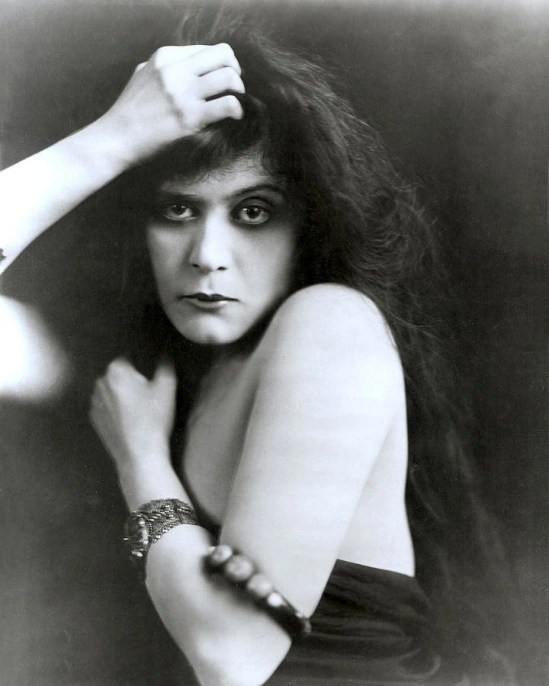

Epilogue

The following is a working draft of the epilogue to our work-in-progress, a medley of fates that came together and parted ways with the end of the Arbuckle trials in 1922.

Fatty suffered enough while he was alive. I guess that was what he had in mind.

Lew Cody to Hubbard Keavy, 1933

What has become of Fatty Arbuckle?

King Alphonse XIII of Spain to Douglas Fairbanks and Mary Pickford, 1924

Hundreds of people were directly affected by Virginia Rappe’s abbreviated time on earth over a century ago and by the Arbuckle trials.[*] Several of the fates are poignant enough to make one reconsider what happened before and after Labor Day 1921. Others are remain little more than postscripts due to the limited amount of investigation into the personal lives of Rappe, Arbuckle, and their friends, and the real Labor Day party itself, rather than the fictions that have been handed down.

Let’s start with Dr. Charles Barnes, whom Minta Durfee commended before she left Omaha en route to San Francisco to be by her estranged husband’s side. In August 1925, Dr. Barnes was arrested in the company of Andrew Durant, an actor and female impersonator. Police believed that he was “the head of an immense dope ring” that supplied morphine to scores of addicts. His bond was set at $10,000—the maximum—and ultimately faced thirty-one counts of violating the Narcotics Act, for which he could receive five years for each, 155 years in prison.

Incredibly, while under indictment for the narcotics violations in federal court, Barnes was arrested again in January 1927 and charged with first degree murder for the death of a Sunday school teacher with the unfortunate name of Wealthy Timpe Nelson. According to newspaper accounts, she was married on her deathbed as she bled out from a botched abortion for which her fiancé paid Dr. Barnes $125. But Dr. Barnes would serve no time for any of his crimes. A diabetic, he died, at the age of 46, on May 20, 1927, after a short illness attributed to his preexisting condition.

Two more defense witnesses who figured in the third trial also found themselves in trouble. Virginia Warren returned to Chicago and continued to work as a midwife and nurse, leading what appeared to be an unremarkable life until she was arrested and convicted in 1941 for assisting in an abortion. Mrs. Warren, 74 at the time, was given probation due to her age.

A year later, in 1942, Helen Whitehurst, served a five-month jail sentence for embezzling money intended for her two nephews as well as creditors from the estate of the late Paul Hershman, the Armour chemist and her boarder, for which she was the administratrix.

Mrs. Whitehurst also figured as a rebuttal defense witness in the 1931 murder trial of gangster Leo V. “Buster” Brothers for the assassination of Jake Lingle, a Chicago Tribune crime reporter believed to be on the payroll of the Chicago Outfit headed by Al Capone. Despite the apparent risk of crossing Capone, Whitehurst testified that she had seen another man, not the accused, escape from the crime scene. But under cross-examination, her credibility unraveled when it was revealed she had once approached Patrick Roche, the police detective who led the investigation into Lingle’s murder, and demanded that he investigate the death by fire of her “cousin,” whom she believed had been murdered for his estate of $300,000. Roche didn’t believe her story and refused her request.

Of the prosecution witnesses, only Grace Halston is known to have had later trouble with the law. She was accused of bigamy in August 1922. Authorities had accepted her word that her first husband was dead and she had a letter, sent from Norway by her former mother-in-law, stating as much. Although the charges were dropped, Lieutenant Halston was very much alive so Grace had to get a real divorce in order to remarry her second husband a second time.

Dr. Barnes’ antagonist at the Arbuckle trial, Catherine Fox, returned to Chicago. She didn’t win her late husband’s stake for a cemetery tract in Queens. But she apparently settled for a handsome sum and lived until 1964, when she died at the age of eighty-six.

There’s no record of Mrs. Fox ever speaking of the trial in public again. Nor did Rappe’s other “musketeers.”

In the years after the third trial, Winifred Burkholder lived in Pasadena, California. Although that city’s directory listed her as a housekeeper, she was once again referred to as a resident of New York and a designer of gowns in the social page of the San Anselmo Herald on the occasion of a “bridge tea” in 1926, when she was feted as a guest of Jeanette Rubel and Helen Wintermute, who managed a popular resort at Stinson Beach.

In the following year, Burkholder’s son George was killed while wiring a fuse box in the Southern California Edison plant in Long Beach, this just two weeks after his marriage. Winifred herself died in 1955.

After the trial, Kate Hardebeck moved with her husband Joseph to 5519½ Virginia Avenue in Hollywood. In May 1923, after an evening of entertaining guests, “Uncle Joe” locked himself in the bathroom and shot himself in the head and in the abdomen with a .32 caliber automatic pistol. Although he left no note, Hollywood police believed he had staged the party as his farewell and attributed his suicide to financial difficulties and failing health.

Following her husband’s death, Aunt Kate lived in Los Angeles for the next two decades, making her living as a seamstress. She died in 1944—and if she had kept anything that belonged to Virginia Rappe—fashion drawings, letters, clothes, photographs, etc.—they were lost.

On March 9, 1923, Al Semnacher suffered a fatal heart attack. Although he was said to have managed several movie stars, the only name that reporters could connect him with was Virginia Rappe. A small-town newspaper in Pennsylvania, however, headlined news of his death as “Movie Industry Loses a Great Man.”

His friend and the other traveling companion to Selma and San Francisco, Maude Delmont, remained in Chicago until Saturday, March 25, 1922, when she boarded a train to Cleveland, in order “to visit friends and to get a rest.”

Delmont had been in a Chicago hospital for a week, during the course of the third Arbuckle trial. There she met with Frank Peska, the Illinois Assistant State Attorney, who represented District Attorney of San Francisco Matthew Brady.

Before boarding her train, she spoke to a reporter for the Chicago Tribune:

Every one of the depositions trying to blacken Virginia Rappe’s character was false. A great opportunity was lost in making a wonderful example of Arbuckle’s case. It’s not the first time he had done a thing like this, either. It makes me boil to see these attempts to defame Virginia’s character and none whatever of Arbuckle’s past brought up.

With that, Delmont was never heard from again. She may have reverted to her maiden name and, according to the census of 1950, a Maude B. Scott—born in New Mexico, sixty-seven years old, and divorced—lived in Riverside, a suburb of Los Angeles.

The lawyer who intimated in court that Al Semnacher and Maude Delmont were extortionists, Frank Dominguez, continued to practice law in Los Angeles. After the death of his wife, however, in 1924, his health precipitously declined and he died a year later. If Roscoe Arbuckle really told him the truth about what happened at the party—the planned pleasure drive with Mrs. Taube, finding Virginia Rappe on the bathroom floor of room 1219, and so on—Dominguez never shared his opinion. Nor did he publicly admit that counseling Arbuckle to remain silent at that first meeting with Assistant District Attorney Milton U’Ren was a mistake.

As to the lawyer who succeeded him, Gavin McNab went on to represent another motion picture comedian, Charlie Chaplin, in his contentious divorce from actress Lita Grey, his leading lady in The Kid (1921). A few months after the divorce was final, McNab died in his office in December 1927.

Nat Schmulowitz, having been promoted to senior partner by the time of McNab’s death, took over the firm and had a long and distinguished career. His death in 1966 left Judge Leo Friedman as the last surviving principal in the Arbuckle case. Others, such as Isadore Golden, Milton U’Ren, Milton Cohen, and Charles Brennan had passed away in prior decades.

The trials made the news again in 1927, when the San Francisco Bar Association conducted an investigation into the money that Mrs. Emma Duffy was paid for the room and board of Zey Prevost and Alice Blake for seventy-five days. She insisted she only received $200 of the $250 that District Attorney Matthew Brady had promised. Brady had billed the city $844 and his adversaries saw possible embezzlement but political blood. Disbarment would have ended his career.  But Brady produced evidence that Mrs. Duffy had indeed been paid $250 and that the difference covered meals downtown and movie and theater tickets. Known affectionately by the people of San Francisco as “Uncle Matt,” Brady remained in office for two more decades until he was defeated in his 1943 reelection bid by Edmund Gerald “Pat” Brown in his second attempt to unseat the long-serving district attorney. Brady died in 1954 at the age of seventy-six.

These men took any secrets of the Arbuckle case to their grave—including Albert Sabath, who certainly had taken no pleasure in coaxing his friend Harry Barker to testify “against” Virginia Rappe. As to Barker, he relocated to Los Angeles and lived a quiet life and died sometime in the early 1970s.

Although Mae Taube (nee Saunders) was sometimes referred to as an actress from New York, there is no evidence of that. By 1923, she had left Gus Taube and relocated to Los Angeles where she rose to become a prominent socialite in the film colony and a “friend” to many actors. Taube was what Virginia Rappe strived to become and may have been a rival for Arbuckle’s attention.

In 1927, Taube undertook a reinvention, at the time going by her maiden name Saunders, she married Billy Sunday Jr. in Tijuana. In an era when bigamy seemed to be somewhat commonplace, the younger Sunday was no exception and he had to back up and divorce his first wife, actress Millicent Wood-Sunday, before going back to the altar a second time with Mae in April 1928 in Yuma, Arizona. Billy Jr. was wealthy, having made a fortune in Southern California real estate. He was also an alcoholic and a womanizer, and an embarrassment to his evangelist father. The legitimized couple, however, only lasted a year.

As Mae Sunday, she remained a close companion of Bebe Daniels and Gloria Swanson—and “famous” for her pink picture hat and being “Hollywood’s favorite guest” as well as hostess. Her name appeared in movie gossip magazines and columns during the 1930s and ’40. Following her divorce from Billy Sunday Jr., she was able to afford ta spacious Spanish Mission mansion at 509 N. Hillcrest Road in Beverley Hills for over a decade. There she lived with her boyfriends, including the Hollywood lawyer Wallace Davis and the restaurateur and oil millionaire David A. Harris.

As noted earlier in this book, Mae Sunday was considered a source of Hollywood gossip and a gatekeeper to its secrets. Her value as an advisor to Arbuckle as the crisis in room 1219 unfolded was incalculable. But Mrs. Sunday is rarely mentioned in Hollywood memoirs. No investigative reporter, author, or film historian is known to have interviewed her about the party or her friendship with Arbuckle despite her prominence in Hollywood society during both the Silent Era and the Golden Age of Hollywood.

Sometime after 1947 Mae Sunday downsized to an apartment in the Piazza del Sol at 8439 W. Sunset Boulevard, married Harris, and retreated into private life that lasted nearly four decades. She passed away in Palm Springs in 1984 at the age of eighty-eight.

Another Labor Day guest, Zey Prevost, also married and retreated into private life though in quite different circumstances. At first, she attempted to capitalize on being the irascible star witness for the state. Two weeks after Arbuckle’s acquittal, Variety reported that she had made an application with Harry Weber, a New York booking agent, for a vaudeville tour with the wife of Wally Schang, the catcher for the New York Yankees. The announcement of the pairing was more likely a trial balloon than a reality however. Marie Schang wasn’t a showgirl and Prevost’s waning celebrity status wasn’t much of a draw. Around 1930, she married an oil field “roughneck” and became Mrs. Dale Manning, a housewife in Long Beach.

Unlike Prevost, Alice Blake was able to resume her career as a café entertainer and continued at that until January 1940, when she was killed in a car accident. She was forty-four at the time and a passenger in a car driven by her companion, the stage and radio singer Henry Starr, who worked with her at the El Cerrito nightclub. Starr was speeding and lost control of the car on Eastshore Highway at Ashby Avenue in Berkeley and hit a light pole. Described as a “Negro entertainer,” Starr was initially charged with negligent homicide, though the charge was likely dropped.

Blake’s companion at the Labor Day party, Lowell Sherman, lived a charmed life compared the other revelers at the party. His motion picture career was only disrupted briefly and he continued to be cast as the rake throughout the Silent Era and into the early years of sound.

During the last two years of his life, Sherman directed six films, including Becky Sharp (1934), an early technicolor film. He died of pneumonia in December 1934.

As for Arbuckle’s other companion for the Labor Day holiday, Fred Fishback, the remainder of his career was bittersweet. Working under the name “Fred Hibbard,” Fishback directed a number of comedy shorts for Educational Films, including several featuring Lloyd Hamilton, Virginia Rappe’s one-time leading man. In late 1923, at the height of this “second life,” Fishback, who neither drank nor smoked, was diagnosed with oral cancer. Although he underwent immediate surgery, the cancer returned and his condition worsened during the spring of 1924. Seeking a miracle, He read a profile in the Los Angeles Record about a woman, Mae Sheridan, who had cured the fight promoter Al Lippe with a “poultice” for which she charged nothing. Without delay, Fishback took a train to New York City in May 1924 and met Lippe, who informed Fishback that the healer lived in Los Angeles.

Too weak and sick to return home, Fishback paid to have Mrs. Sheridan brought to New York. There she treated him with a drug that had allegedly been used by her family for over 200 years. While Al Lippe had recovered and continued to manage boxers into the 1930s, Fishback’s condition worsened. Unable to talk or direct by October, he died at home in early January 1925.

As for Fishback’s friend, Ira Fortlouis, the Zelig-like outsider who assumed some of the blame for getting Virginia Rappe invited to the Labor Day party, he continued to sell clothes up and down the Pacific coast, while living in hotel rooms and boarding houses. He married for a second time two months after the last Arbuckle trial but eventually that marriage also failed.

Fortlouis was jailed by the City of San Bernardino in 1939 for an old speeding violation, an occupational hazard for a travelling salesman. In late May 1941, he was again on the road and had to check into Sacred Heart Hospital in Medford, Oregon for a medical emergency. There he was diagnosed with advanced cardiorenal disease and died on June 8, 1941, at the age of fifty-four while still in the employ of the Phil Walters Coat Company. His brother-in-law signed his death certificate.

Henry Lehrman, who played no real part in the Arbuckle trials beyond his sound and fury, must have regretted losing Virginia Rappe in the two years that followed his marriage to Jocelyn Leigh. As the former Ziegfeld Follies dancer dreamed of becoming a movie star began to fade in 1922 and ‘23, she became a liability while Lehrman himself continued to have trouble with creditors, cash flow, and finding opportunities to direct. To obtain her generous alimony and a $2,000 Chrysler from him, she went to great lengths to embarrass Lehrman in public and private, threatening a scandal such that he would do anything to be rid of her. They were divorced in December 1924.

For the next two decades, Lehrman saw his career dwindle to nothing as he failed to impress such studios as Warner Brothers and Fox. He was one of the few directors who couldn’t make the transition to sound. Perhaps feeling sorry for the veteran comedy director Darryl F. Zanuck at 20th Century-Fox kept Lehrman on, albeit barely tolerated, letting him evaluate story treatments and write memos that were often ignored. By 1941, Lehrman declared bankruptcy for the last time and, in 1945, was a victim of a wave of studio layoffs following the end of the Second World War.

In comparison, Roscoe Arbuckle had it better. He was initially allowed to return to movie-making by Will H. Hays in December 1922. Hays saw it as a kind of an early Christmas present. But soon after the protests began again. Despite editorials extolling the virtues of the jury system—that Arbuckle had been acquitted by his peers—such voices were drowned out. American clubwomen, clergy, and organizations such as the Women’s Club of Hollywood, the National Committee for Better Films and the National Federation of Women’s Clubs—even lobbied to keep the ban on Arbuckle’s movies in place and that he never again appear as an actor. This extreme retribution wasn’t out of character for the heavy-handed moralism of the era. In 1921 the Black Sox scandal had resulted in lifetime bans for eight baseball players and in 1920 the national ban on alcohol sales and consumption became law.

With a sharper eye on the business end than Hays, Adolph Zukor and Jesse Lasky shelved the three unreleased Arbuckle feature-length films as well as his previous work. This came after Zukor refused a generous offer from the songwriter and impresario Arthur Hammerstein to buy all three for $1,000,000 and present them in his theaters, even in cities that were the most antagonistic to the comedian’s comeback.

Because Arbuckle had been blacklisted as a film comedian in the United States—other talented, rotund actors filled those roles, such as Kewpie Morgan and Oliver “Babe” Hardy. Famous Players-Lasky promoted Walter Hiers as its logical successor to Arbuckle. But Hiers demurred. As he pointed out, he had come up the ranks in polite comedy and children would be better off enjoying “legitimate farce” over “slapstick and hokum.”

Meanwhile, as the Arbuckle ban became an issue again in the winter–spring of 1923, The Isle of Love, the chaotic recut of Over the Rhine, starring Rudolph Valentino and now-uncredited Rappe was released in theaters. If one recognized her, if one was reminded of what happened to her on Labor Day 1921, it would remain a personal impression, private. But the way to deal with the Arbuckle problem, too, was for his name to disappear.

In April 1923, Hays took back Arbuckle’s permission to appear in movies and was praised by the activists who wanted him punished. The film ban would remain in place, but Arbuckle was permitted to work behind the scenes. Although it wasn’t a stipulation, to prevent further public outcry he would remain uncredited.

In January 1925 Minta Durfee agreed to divorce Arbuckle on the grounds of desertion—dating back to September 1917 when he had, in her filing, “given her the air.” At the time Durfee saved face by saying there was no “other woman” though Arbuckle would marry Doris Deane in May that same year. She also said that the Rappe “tragedy” had nothing to do with the divorce—only that Arbuckle had failed to provide her with support.

Durfee was nearly broke and interest in a possible return to the stage didn’t pan out. Pilgrim Pictures still had five “Mrs. Roscoe Arbuckle” shorts and few distributors—and no one was going to back her in any more motion pictures. Save for a summer variety show in Atlantic City, Durfee had no other takers.

Meanwhile, Arbuckle managed to cope with his money troubles with support from his longtime producer, Joseph Schenck, who had purchased the West Adams mansion, rented it to Lou Anger, who, in turn, made Arbuckle his permanent guest. Side work had been assigned to Arbuckle whenever he could do it—he was drinking again. And he had made a temporary foray into stage comedy, beginning in Chicago. But the “three-a-day” vaudeville circuit was a lot of work for less money. And people noticed that he wasn’t as funny as he used to be and the women’s clubs protested his appearances, wanting to ban him from the stage as well.

While Arbuckle enjoyed the company of a pretty young woman, Doris Deane, like many in Hollywood the relationship had a quid pro quo. For Deane—and perhaps for Rappe earlier—Arbuckle provided access to the center of power in Hollywood, access to men like Buster Keaton, who had stuck with Arbuckle through his troubles and had been best man at their wedding. Keaton gave Deane a small role in his movie Seven Chances. She also managed to get a few supporting roles in the shorts that Arbuckle directed for his nephew Al St. John though that was the extent of her movie career.

In 1924, Arbuckle directed St. John in a comedy and had a brief stint directing Keaton in Sherlock Jr. though a clash of egos ended that particular collaboration and the film is credited to Keaton alone. An ironic twist is that this film was rumored to have been inspired by Edward O. Heinrich, the forensic criminologist hired by Matthew Brady to examine Room 1219 for evidence of an assault. Heinrich himself investigated as many as 2,000 cases throughout his career and died in September 1953 not only with his career intact but deserving of the title many gave him: “America’s Sherlock Holmes.”

The oft-repeated anecdote that Keaton suggested Arbuckle direct films under the name Will B. Good was almost certainly a joke among friends. Instead Arbuckle began using the more prosaic “William Goodrich,” based on his father’s first and middle names.

Arbuckle made his directorial leap from two-reelers to a feature film in 1926 when he directed Marion Davies as a Dutch girl in The Red Mill. Unfortunately, this light, romantic comedy, in which Miss Davies could display one of her talents, figure skating, failed at the box office.

Though William Randolph Hearst, as the producer, and Miss Davies both blamed Arbuckle for the film’s flopping, he continued to direct, including a comedy for Paramount, Special Delivery (1927), starring newcomer Eddie Cantor, and fans might have spotted him in occasional uncredited cameos. He also made a triumphant return to Paris in the spring of 1928, and he moved back into the Hollywood Hotel, where he had first noticed Virginia Rappe.

Arbuckle, Lou Anger, and other investors opened the Plantation Café in Culver City in 1928 and it became a popular roadhouse and supper club that, according to its original prospectus, “embodied all of the features of the old Southern regime.” There Arbuckle was often the master of ceremonies, dressed to the nines or in overalls and derby—even in blackface—mingling with the crowd.

The Plantation promised plenty of “whoopie” The clientele naturally included Arbuckle’s milieu. They came all the way out to the end of Washington Boulevard to drink and be entertained by big bands, banjo players, toe dancers, the Plantation’s All-Star Revue, and the likes of Al Jolson, who performed songs from The Jazz Singer, which had been made the year. In 1929, however, Culver City, which was a growing suburb of bungalows and young families, had had enough of the film colony and the trouble it attracted, the gangsters, the fights, and the illicit serving of alcoholic beverages. Arbuckle and Anger sold their interest in September and purchased the old Eads Castle Inn on La Brea Avenue and renamed it “Roscoe’s,” with a decidedly more family-friendly atmosphere.

Despite his troubles, Arbuckle retained his stature among his friends in the movie colony and appeared to be happy and jovial in group photographs—and no one was fooled by the name William Goodrich. He spread bonhomie among almost everyone who mattered in his life. And there were no hard feelings about how he had triggered the creation of the Hays Office. That unpleasant business and inconvenience had blown over and the stifling Production Code was yet to come.

But there was another side to Arbuckle according to Doris Deane, who described “vicious, cruel, morose, and nagging” behavior in the divorce complaint she filed in August 1928. At a beach party, she claimed Arbuckle threw a woman to the dance floor and caressed her. As the woman called for help, Deane rushed to her defense. Thereupon, Arbuckle landed a punch on her nose.

“I wish I had knocked your brains out,” he was heard saying to Deane afterward. She said Arbuckle continued to argue and insult her and drove recklessly on the way home. Her complaint also cited numerous instances of his being intoxicated. The tone of news reports about the charges indicate that this behavior wouldn’t have been much of a surprise to readers.

Nearly four years passed before Arbuckle’s second divorce was decreed and he could marry a new girlfriend. Addie McPhail, another brunette, actress, and vocalist still married to her accompanist, songwriter Lindsay McPhail. Her divorce took time, complicated by the need to find a state that would overlook the residency requirement. Thus, Arbuckle’s third marriage began in June 1932 in Erie, Pennsylvania, while Arbuckle toured the east, performing shows in sold-out appearances that many believed foreshadowed his return to motion pictures. They were right. His ban wasn’t a legal decree but a business decision enforced by the Hollywood cartel and the times had changed.

With McPhail, Arbuckle proved he had the charisma, the success, and the energy to satisfy a considerably younger woman, said to be twenty-four. McPhail also seemed to be evidence that he wasn’t the cad projected by his past with Doris Deane, Minta Durfee, or even Virginia Rappe. He was well-liked and had steadily rebuilt his reputation despite his ban from acting. By 1932 “William Goodrich” had directed over forty films. In May of that year, Columbia began negotiating with Arbuckle’s new producer Leo Morrison and manager Joseph Rivkin for a possible return to the screen. In June it was Educational Pictures and finally Warner Brothers signed him to do six two-reelers at its Vitaphone Studios in Brooklyn. The first, Hey Pop! (1932), was ready for the Christmas holiday. Three more followed in the first half of 1933.

Traveling periodically to New York City by rail, with his wife, her maid, and a line of Pullman trunks, Arbuckle spent two or three weeks at Vitagraph’s plant in Astoria filming. He made public appearances, did radio spots, and enjoyed Manhattan’s night life. His schedule was punishing and he had to work hard. Warner Brothers was taking a risk in rehabilitating Arbuckle—and he needed the money.

Physicians who listened to Arbuckle’s broad chest warned him that heart disease was a certainty. At forty-six, he was noticeably less physical. However, at a relatively trim 240 pounds, he could still get up and down off the ground, throw a punch, run after mules, and reprise many of the antics of his country bumpkin character with the too-small derby and oversized pants.

Those who saw him on the set thought he was a little nervous and tentative. But after a few takes, the old slapstick gags and “hokum” seemed to translate well enough in sound and anyone seeing these old films now might think he could have joined the ranks of W. C. Fields, Laurel & Hardy, the Marx Brothers, and the Three Stooges. (Shemp Howard, the original “third stooge,” was one of Arbuckle’s costars). The only thing wrong was the comedian’s voice. There was nothing special about it. In some scenes, he sounded jaded and in others he came off as a bully. The innocence was gone.

In June 1933, Addie and Roscoe Arbuckle returned to New York to film the last of the six shorts, Tomalio (1933), which pitted his character against a stereotypical Mexican general. That he hadn’t felt good for the past two weeks wasn’t apparent on screen.

Arbuckle was also in New York to ink a contract for the first “Fatty” Arbuckle feature-length talkie, a remake of Brewster’s Millions. After a hot day at work, he returned to his room at the Park Central Hotel in midtown, bathed, and dressed in formal attire. Then he and his wife went out to dinner at the Tavern on W. 48th Street to celebrate a belated first anniversary. After eating, Arbuckle and Addie went to the apartment of the Tavern’s owner, William Lahiff, where a party was given in their honor. Among the guests were lightweight champion Johnny Dundee, actor Johnnie Walker—who was directing Mr. Broadway (1933) with Ed Sullivan in his first film, and his manager Joseph Rivkin.

That evening, Arbuckle smoked cigarette after cigarette and drank freely for Prohibition was in the process of being repealed and no one cared anymore. He waxed on his new contract and was obviously enjoying the moment. He played backgammon. He boasted of his tickets for the heavyweight rematch between Jack Sharkey Primo Carnera on Friday night at Madison Square Gardens. He leaned over at one point and told Rivkin, “This is the happiest day of my life” though he was known for exaggerated pronouncements.

But he also complained of feeling tired. Toward midnight, the Arbuckles returned to Park Central. Then they undressed and, well, who knows what they did at the end of this auspicious day. But they slept in adjoining rooms.

Just after 2:00 in the morning, McPhail woke and went to the bathroom for a glass of water. Then, hearing only silence, she called out, “How are you? Are you sleeping all right?”

When he didn’t answer, she called the desk for a physician.

Much like what happened in the St. Francis Hotel, McPhail’s memory for details changed over time. In another account, she said she woke on hearing him groan in pain. In another, he had just gone into the bedroom and when she called to him a few minutes later, got no answer.

When the hotel doctor failed to revive Arbuckle, other physicians were summoned. They determined that Arbuckle had died in his sleep of a fatal heart attack—angina pectoris according to the death certificate—soon after the couple retired for the night.

The next day, his body lay in state at the Campbell Funeral Church at Broadway and 66th Street on Saturday, July 1. Thousands were said to have marched past.

That Arbuckle didn’t suffer was interpreted by some as a karmic sign of his innocence. That he was struck down in the last stretch of his redemption was also seen as a cruel irony.

Despite Lou Anger’s advice to the contrary, Arbuckle had been no less careless with his money at the end than he had been in his heyday. His will, in a Los Angeles bank, stipulated that Joseph Schenck would inherit a $100,000 upon his death. That money didn’t exist, but it was the thought that counted.

* * *

As for Virginia Rappe? The grass grew on her grave in Hollywood Forever Cemetery, while her remains were joined by those of her contemporaries as they died young and old over time. Conspicuously missing was Roscoe “Fatty” Arbuckle. His ashes had been scattered over the Pacific Ocean. Aside from Henry Lehrman, who would be buried by her side, following his death in 1946, Rudolph Valentino, her early co-star and whom H. L. Mencken once described as “catnip to women,” would also be buried nearby after his untimely death in 1926.

Valentino died of peritonitis as well, following an operation for gastric ulcers. And like Rappe, he had died too young to plan ahead. He was buried in a crypt originally intended for another man, much as her grave was intended for someone else. Henry Lehrman, to his credit, had done the right thing. He provided one of a pair cemetery plots, that he had purchased to share with a future wife, to be used instead for the eternal rest of Virginia Rappe and there he joined her twenty years later.

The honorary pallbearers for Arbuckle’s casket included Bert Lahr, in the middle position. (Newspapers.com)


[*] pp. 000–000: Newspapers.com, California Digital Newspaper Collection, Lantern (Media History Digital Library of the Wisconsin Center for Film and Theater Research), and Ancestry.com.


The San Francisco Call goes all-in for Roscoe Arbuckle, January 20, 1922

The day before the second Arbuckle trial began with jury selection, two young women waited outside the offices of San Francisco District Attorney Matthew Brady. Alice Blake and Zey Prevost, two unemployed “showgirls”—a term that doesn’t do them justice—wanted to be paid “witness fees” for their testimony at the first Arbuckle trial. A trial that ended in a hung jury in early December 1921. Rather than meet with these women, who were expected to testify again at the second trial, Brady and his chief assistant on the Arbuckle case, Milton U’Ren, avoided them. The matter went unresolved.[1]

A week later, Blake and Prevost took the stand and both seemed to have forgotten much of their previous testimony, forcing Assistant District Attorney Leo Friedman to read portions. In their cross-examinations, Arbuckle’s lead counsel Gavin McNab questioned them in such a way that ensured the jury understood that their initial statements and testimony, following Virginia Rappe’s death on September 9, 1921, had been coerced by overzealous prosecutors and that both women had been sequestered by the District Attorney against their will.

In an editorial that followed the testimony of Blake and Prevost at the second trial, written by Edgar T. Gleeson, who covered the Arbuckle trials for the San Francisco Call, the reporter took the side of the defense and condemned Matthew Brady. Our commentary appears at the end. Brady’s response will appear in our next posting.


SHOW GIRLS EXPOSE ARBUCKLE EVIDENCE AS A FABRICATION[2]

The sensational developments in the Arbuckle case—the changed testimony of Zey Prevost—the girl’s insinuations that the district attorney’s office had dictated her testimony in the first trial of the film comedian, and District Attorney Brady’s last vainly despairing attempt to have her, one of his two principal witnesses, declared a hostile witness and subjected to cross examination—all these developments have thrown a new and astounding light on a trial that has held the public attention for more than three months. They indicated to The Call yesterday that the trial of Roscoe Arbuckle was merely another miscarriage of justice.

Today The Call is able to give to its readers detailed and convincing testimony on how the district attorney of San Francisco worked up his case against Roscoe Arbuckle. Edgar T. Gleeson has secured the facts from Miss Zey Prevost of how she and Miss Alice Blake were persuaded, threatened and almost compelled to take the stand and give perjured testimony against Roscoe Arbuckle.

FACTS ARE BARED

Here are the facts: It is in some respects another Mooney case—and the only reason Roscoe Arbuckle is not over in San Quentin at this moment, convicted of the death of Miss Rappe. is that another Oxman[3] did not happen to stroll on the scene at the proper moment. That, and that alone, saved Arbuckle.

The Call has no purpose in this exposure than to show how easy it is for men to make grave mistakes in the judgment of other men and how difficult it is for them to stand firm in the face of an inflamed and belligerent public opinion. It is not The Call’s intention to convince its readers that District Attorney Brady and his associates were prejudiced beforehand against Roscoe Arbuckle or that they are exceptionally weak or ruthless. It is the intention, however, to show that men who are very kindly and tolerant in their private lives can and do become both brutal and merciless under the pressure of public office.

BRADY SINCERE

Remember that Matthew Brady opened the case of Roscoe Arbuckle with a firmly sincere declaration that he would do his duty. The Howard street gangster cases were still in the public mind, and men remembered how punctual the district attorney had been in the prosecution of those men of little wealth and little influence.[4]

Matthew Brady announced that the power, the wealth and the popularity of Roscoe Arbuckle would not keep him from receiving as stern a trial as a “Spud” Murphy had received.[5]

So far, so good. But the district attorney did not stop there. Having pledged himself to try Arbuckle he came to believe that he had pledged himself to secure a conviction. Hence the invention of false testimony, the seclusion of witnesses and the stimulation of perjury on the part of a public official who is sworn to enforce and to protect the dignity of the law.

It is an astounding story and at the same time a very natural story—the story of how sincere and kindly men, living under pressure, can become involved in a situation that forces them to accomplish great injustices.

By EDGAR T. GLEESON

The story of how the prosecution in the Arbuckle case, driven to desperate lengths by the threatened collapse of Mrs. Bambina Maude Delmont, its capital witness, deliberately set about the business of manufacturing evidence to the end that the moving picture actor might be convicted on a charge of murder, has now been bared for the first time. Miss Zey Prevost. former moving picture girl and a guest at the Arbuckle party, finally admitted, although reluctantly, that the part of her testimony in which Miss Virginia Rappe was represented as having accused Arbuckle of hurting her, was fabricated.

Miss Prevost is one of the two witnesses whom the district attorney seized upon when his case began to teeter and after investigation had failed to yield any corroboration of Mrs. Delmont’s story.

CREATES SENSATION

The facts as revealed on the stand yesterday (January 19, 1922), and as hinted at on the preceding day by Miss Alice Blake, show that the two girls consented to testify that Miss Rappe had said “I’m dying. I’m dying; he hurt me,” only after efforts had been made by the district attorney to force them into testifying that the girl had accused Arbuckle in the stronger words, “I’m dying, I’m dying; he KILLED me.”

The extraordinary declaration of Zey Prevost that she had testified falsely in the first Arbuckle trial under fear of the district attorney’s office has, of course, created a sensation. Everywhere men ask, how can such things be? Surely a district attorney does not deliberately set out to violate justice!

A review of the immediate events following the death of Miss Rappe will help one to understand something of how such an amazing situation can come about. And this review will show the district attorney’s office, first misled by the now thoroughly discredited story of Mrs. Delmont, and then persisting in a theory of the case built up on the exploded story of Mrs. Delmont who, herself, was so impossible that she was never called as a witness in the case.[6]

When the authorities first learned of the circumstances surrounding the death of Miss Rappe on September 9, of last year, four days after the party in Arbuckle’s rooms at the Hotel St. Francis, an effort was made to secure statements from all of the participants.

One of the first persons visited was Mrs. Delmont, who was then in a state bordering on collapse at the Hotel St. Francis. The Rappe girl, her friend of a week, and companion on the trip from Los Angeles, had died suddenly and under conditions that were as terrifying as they were mysterious. Mrs. Delmont had come to one conclusion about the whole affair. She was not in Miss Rappe’s company when the girl left room 1219, nor did she see Arbuckle accompany her into that ill-fated chamber.

IN OTHER ROOM

The facts are that Mrs. Delmont had partaken of some of the liquor and was in room 1221 with another member of the party.[7] The door was locked between 1221 and 1220. Mrs. Delmont couldn’t possibly nave seen what transpired in or near the door of 1219.

Yet, in her grief and hysteria, following the tragedy she insisted on describing a struggle at the entrance to room 1219. She told of Arbuckle clutching Virginia Rappe by the arm and saying “I’ve waited five years to get you.”

Thereupon, she said, Arbuckle pulled the girl back into 1219 and locked the door behind them. Mrs. Delmont depicted a struggle between the girl and the actor. She said that in this struggle Miss Rappe cried out, again and again for help, and that she, Mrs. Delmont, rushed to the locked door, to beat upon it and cry out that Arbuckle open the door and release Virginia.

When the door, after remaining locked an hour, was finally opened, Arbuckle was alleged to have rushed out, a terrified object. He was said to be perspiring as though from a long struggle while Miss Rappe lay dying upon the bed, naked and in a state of unconsciousness. Mrs. Delmont said that Miss Rappe had fought off Arbuckle’s advances as long as her strength and senses remained and that then she was criminally assaulted.

TOLD OF SCREAMS

She said further that Arbuckle had stripped the clothes from Miss Rappe during the fight and that they were scattered about the floor in ribbons; that when she and other members of the party came upon the girl, Miss Rappe was crying out. “I’m dying, I’m dying, Roscoe killed me.”

Mrs. Delmont took charge of Miss Rappe when the girl was removed to another room that afternoon. She was lying alongside the bed, intoxicated, when Dr. Olaf Kaarboe called to attend Miss Rappe.[8] The doctor detected the odor of liquor upon Miss Rappe’s breath and concluded that there was nothing serious the matter with her.[9]

When Dr. Arthur Beardslee, house physician of the St. Francis, visited Miss Rappe later in the evening, he found her conscious and complaining of a pain in her abdomen. He made an examination and endeavored to get at a history of the case.

DENIED STATEMENT

Mrs. Delmont started to tell the doctor of the Arbuckle party and mentioned that Arbuckle hurt her. Miss Rappe, who overheard the statement, denied this to Dr. Beardslee. This evidence is known to the prosecution, but it will not be admitted as part of the present case because it comes under the heading of hearsay.[10]

To Detective George Glennon, the St. Francis Hotel detective, Miss Rappe likewise denied the accusation against Arbuckle. She said she did not know what happened to her.[11]

Both District Attorney Matthew Brady and his assistant, I. M. Golden, were in Mendocino County investigating some features of the Woodcock case when Arbuckle drove up from Los Angeles to give his story of what happened at the party.[12] Arbuckle was accompanied by his attorney, Frank Dominguez, and some of the other men who were present in his rooms on Labor Day. He went to the office of Captain of Detectives Duncan Matheson, where Milton U’Ren, representing the district attorney, joined the actor and the detective chief.

QUIZZED BY MATHESON

After some brief discussion Captain Matheson began to interrogate Arbuckle along the lines of Mrs. Delmont’s statement. Arbuckle denied some of the accusations. Third degree methods were then attempted, according to Dominguez, and he gave Arbuckle instructions not to answer some of the interrogations unless by the consent of his counsel.

This, according to both Dominguez and Arbuckle, angered the captain of detectives and Milton U’Ren. The attorney said afterward that the threat was then made to lock Arbuckle up on a charge of murder unless he gave kind of a statement the officials wanted. Dominguez told Arbuckle not to answer, and that Matheson and U’Ren carried out the threat.

CHARGED WITH MURDER

The charge on which Arbuckle was booked was murder, sworn to by the police. Later a formal charge was placed against him in Police Judge Daniel O’Brien’s court, when Mrs. Delmont appeared as the complaining witness.

Although discrepancies were found in Mrs. Delmont’s story, the district attorney’s office set about trying to verify her statements through others who were present at the party.

Brady and Golden returned to San Francisco to find the prosecution of Arbuckle for murder well under way. When Golden saw and talked with Mrs. Delmont and had a chance to study her testimony, he began to have misgivings. The same with Al Semnacher’s testimony.

PRESSURE USED

The feeling began to grow that if the prosecution was to uphold its charge it had better go about getting other props for the structure. That is when the pressure began to be exerted upon Miss Alice Blake, former entertainer at Tait’s, and Miss Prevost.

At the time the coroner’s inquest was held, an effort was made to subpoena Miss Blake and Miss Prevost, but the district attorney’s office refused to surrender the witnesses. It didn’t know at that time just how it was going to have them testify, and for that reason wasn’t  prepared to have them give contradictory testimony.

Alice Blake was seen at Tait’s immediately after the death of Miss Rappe. She told what she knew of the facts to Detective Griffith Kennedy and in the presence of George Hyde and Les Gillen, two reporters on a morning newspaper.[13] Miss Blake knew nothing of a struggle or criminal assault in Arbuckle’s room. She said she thought Miss Rappe was intoxicated at the time and that there was nothing of a fatal nature in her illness. She said she didn’t hear Miss Rappe say Arbuckle killed or hurt her. She said all the girl cried was, “I’m dying. I’m dying; I know I’m going to die.”

Mrs. Delmont said Arbuckle and Miss Rappe were in room 1219 an hour. Alice Blake said, and has since been supported by other testimony, that she went from the Arbuckle rooms to Tait’s for a rehearsal at 2 o’clock on the day of the party; that she returned at 2:30 or 2:45, and that the party was still in progress, with all persons present.

IN ROOM TEN MINUTES

It was about 3 o’clock, ten or fifteen minutes later, that the Rappe girl was stricken. She did not leave room 1220 until after Miss Blake’s return. The best recollection of Fred Fishback who helped Miss Blake carry Miss Rappe to the cold bath, is that he returned to the hotel at 3 o’clock. The testimony of the prosecution’s witnesses allows Arbuckle only ten minutes alone in the room with the girl.

When the grand jury investigation was launched the district attorney sought to get new statements from Miss Blake and Miss Prevost. The latter had been dragged down to police headquarters by George Duffy of the district attorney’s office and an attempt was made to get a statement supporting Mrs. Delmont from her. It failed and the next day Miss Prevost was asked by Milton U’Ren to sign a new statement, prepared by U’Ren, in which Miss Rappe was alleged to have cried out In Miss Prevost’s hearing, “I’m dying; I’m dying; he killed me.”

Although Miss Rappe was conscious for three days of her illness she made no accusation, no dying statement against Arbuckle.

Having first charged Arbuckle with murder, without determining whether it had a case, the district attorney’s office now sought to make a dying statement out of what Mrs. Delmont reported, namely that Miss Rappe had charged Arbuckle with killing her. The rules of evidence demand that this statement must be made in the hearing of the defendant; so Mrs. Delmont conveniently placed Arbuckle in the room when Miss Rappe was alleged to have made the accusation and had him reply: “You’re crazy; shut up, or I’ll throw you out the window.”[14]

GIRL REFUSES

Miss Prevost was asked to swear to the same set of circumstances.

“I will not,” she replied to U’Ren. “I never heard Miss Rappe say that anybody hurt her.”

When the district attorney’s office failed to get the information it sought to elicit from Miss Prevost, it had her hauled before the grand jury. It was thought that she could be broken under the continuous fire of suggestion and cross-examination. But she would not swear to the statement that Virginia Rappe had said Arbuckle killed her.

When the girl was brought back, as she now relates to the district attorney’s office, she was ready to collapse. The prosecution had harried her by asking over and over again the same question as to the Rappe girl’s accusations.

“Did you tell me, downstairs in the district attorney’s office,” U’Ren had asked “that Miss Rappe had said Arbuckle killed her? “No, I did not,“ said Miss Prevost. “I never said that Miss Rappe had made any such statement.”

Source: San Francisco Call, January 20, p. 13 (California Digital Newspaper Collection)

MOTHER THREATENED

Outside Brady’s office at 4 o’clock in the morning Miss Prevost found her mother and brother waiting for her. They had been threatened with prosecution for subornation of perjury because they warned Miss Prevost against signing any statements that she did not agree with.

“Wait until they subpoena you into court, if you don’t want to swear to those things,” the brother had advised.

Brady’s patience was exhausted by the efforts to secure the testimony of Miss Prevost and he ordered Detective Leo Bunner to take her upstairs and lock her in the city prison. Later he relented and said that if she would be at his office at 10 o’clock the next morning he would let her go home with her mother and brother.

That night Miss Prevost’s home was watched.[15] In the morning a representative of Brady’s office called and brought her to the Hall of Justice. Then ensued another long third degree with U’Ren doing the questioning. He was determined to wring from her a statement that Miss Rappe had charged Arbuckle with killing her. He had a new one prepared.

While reporters cooled their heels in the hall outside U’Ren quizzed Miss Prevost for hours without result. She would go no further than the statement that Miss Rappe had said she was dying, a fact that she, Miss Prevost, qualified with the remark, “We attached no importance to it, because we thought she was suffering from gas pains. That is why Alice Blake gave the bicarbonate of soda.”

U’REN EXASPERATED

U’Ren after a morning’s work, in an attempt to support the murder charge placed against Arbuckle, at his insistence. came out of the room exasperated. He said that he would give Miss Prevost one more chance and that if she didn’t testify to what the people wanted he would have her placed in custody.

Then Alice Blake was brought from Oakland, to which city she had fled after the first days of the tragedy She was taken to Brady’s office and the same means were employed to get the dying statement into her testimony. Miss Blake would not stand for it.

The district attorney played one girl against the other. Word was carried to Miss Prevost that Miss Blake had testified that Miss Rappe had said Arbuckle killed her. “I never heard her say it,” said Miss Prevost. “If Alice says that, then her ears hear differently than mine.”

The district attorney’s office threatened Miss Blake, it told her that it had an abundance of proof, that it knew positively that Arbuckle was guilty. Finally, Golden appealed to the heart of the woman in Miss Blake. The show girl had a tragic face and a deep emotion.

Golden pictured to her that girls like Miss Rappe were nothing but dirt under the feet of men like Arbuckle. He asked if she could question the sincerity of the district attorney’s office.

GIRL BREAKS DOWN

“Don’t you know,’’ pleaded Golden, “that we would be down here making this same kind of a fight if you were the victim?’’

Nervous and distracted, Alice Blake easily crumbled. She broke into tears. The strong appeal of Golden persuaded her. She agreed to stand for the statement that Miss Rappe had said. “I’m dying; I’m dying (she couldn’t go the full route, but she compromised); he hurt me.”

The fact was carried to Miss Prevost that Alice had “come through’’ to that extent. “I never heard Miss Rappe say it.” said Miss Provost, frightened and overcome with weariness after the third degree ordeal, “but if you want me to say it I will.”

The statement was handed her. the words “he killed me” crossed out. and Miss Prevost wrote in the words “he hurt me.”

That night the grand jury indicted Arbuckle for manslaughter. Later the police court held Arbuckle for manslaughter.

Mrs. Delmont was not called because, as Judge Brady and Isadore Golden both told me, “we cannot believe a word she says.”

The prosecution dropped Mrs. Delmont. but it saved her story for the purpose of convicting Arbuckle. Miss Prevost and Miss Blake were to take up the evidence where Mrs. Delmont left off. The two girls were then placed in Mrs. Duffy’s custody. Mrs. Duffy is the mother of George Duffy, an attaché of the district attorney s office.

Miss Blake escaped from the district attorney’s care when her mother visited Calistoga and took her away from her jailer. Miss Prevost was not delivered up until the last trial. Yesterday afternoon Miss Prevost said she would tell the whole story when she returned to the stand. And she did.


The Call was a newspaper in the Hearst chain. We have mentioned in earlier blog entries that William Randolph Hearst’s animus for Arbuckle is a myth. As a publisher, he tended not to interfere with his editors and reporters or issue memoranda on how they should cover a story. This is true of the Arbuckle case and one needs only look at the reportage in September 1921. The sensational aspect of the case—which sold Hearst newspapers—quickly evaporated. The Arbuckle case became more of a sporting event, in which the prosecution was one team and defense the other. The press sided with the perceived winner.

Gleeson, representing his newspaper, bought into the story that Blake and Prevost had been coerced due to the failure of Maude Delmont to perform as a reliable prosecution witness. This, however, was an oversimplification of what happened. All three women were being groomed as state witnesses at the same time with differing results. All three, too, had exhibited trepidation at having to relive what happened on September 5. They would bear the responsibility of violating a kind of show business omertà that extended from movie stars paid millions (Arbuckle) to a Sennett Bathing Beauty (Prevost) or a San Francisco nightclub dancer (Blake) to a film colony society girl (Rappe) to a former extra practically living in the streets of Los Angeles (Delmont). They risked losing access to the club so to speak, the demimonde-democracy in which they had status. They also risked losing access to the employment and benefits that membership entailed, even if that meant being little more than being an escort and dance partner at a Hollywood party held in San Francisco for one day without pay. They took a great risk, perhaps even to their persons, if they were complicit in sending Arbuckle, a fellow entertainer, to the gallows or a ten-year prison sentence in San Quentin. Regarding his work with the Labor Day party guests, Assistant District Attorney Isadore M. Golden said it best when he was faced with their reluctance and reservations about talking to him. “We have made out a case [. . .] through witnesses who had to have the truth dynamited out of them, witnesses who would give anything to say, ‘I was not there.’”[16] This certainly applied to Alice Blake and Zey Prevost—and Maude Delmont as well.

In the case of Prevost, she might have been too outspoken about the party, at least in the first days after Rappe’s death. She likely learned this when she was approached by one of Arbuckle’s lawyers before any charges were filed. From that point on, she began to resist the District Attorney and his assistants. But they likely did doctor her statement. District attorneys have been and still are often more tactical than criminal defense lawyers, especially when the ends justified the means. One method used by Brady’s assistants was to exploit the power of sisterhood by shaming the female witnesses into believing they would be protecting Rappe’s honor.

Blake, the rebellious daughter of a wealthy Oakland family, returned home and was likely coached in some way not to be so voluble for the DA. A former boyfriend, who played a part in keeping her on the other side of the Bay, employed Prevost’s brother—who aspired to be a motion picture cameraman and director—as an electrician in Oakland. Ultimately, it was Brady’s fear of witness tampering and the flight risk that forced him to isolate Blake and Prevost for as long as he could. But they were both free by the time of the first trial in November 1921 and their tilt toward favoring Arbuckle’s defense can be seen in their testimony given then.

Nothing they said on the stand explains their own presence at Arbuckle’s Labor Day party. They certainly weren’t total strangers. The news that “Fatty was in town” seemed to be a familiar call to action, in keeping with previous visits by Arbuckle and/or his traveling companions, director Fred Fishback and actor Lowell Sherman. They were likely of a sort in keeping with escorts, groupies, or “girls in port.” Whether they were compensated for their attentions and attendance at the Labor Day party of 1921 is unknown. But whatever they did at the party before Rappe’s crisis in room 1219 went unreported. If it came up in trial testimony, that was censored and entirely kept out of the newspapers. Reporters do mention that aspects of their testimony couldn’t be repeated. This was certainly true of Maude Delmont’s story of Arbuckle wearing Rappe’s Panama hat like a trophy, his wanting to “get” Rappe in bed for five years, and so on.

No other guest would corroborate Delmont’s story—but no one corroborated Arbuckle’s either. It was simply seen as the most probable by jurors in the first and third trials. But two words stand out as it concerns Delmont. She stated the Labor Day party was “rough” and the word “censored” was used early on in describing her initial statements. For that reason, we believe that she wasn’t allowed to testify. For one, there was probably a concern she wouldn’t self-censor herself about any sexual activities at the party, an aspect the prosecution would have been eager to suppress. Also, we think she was reluctant to testify.

Maude Delmont may not have been the one who gave a statement first. Alice Blake’s initial statement is the that got the attention of Arbuckle and his lawyers while still in Los Angeles on the night after Rappe’s death. Allegedly, Zey Prevost made her statement next followed by Delmont. This still seems counterintuitive to us. But it is possible that someone else tipped them off about the possible criminal nature of Rappe’s death. An anonymous telephone call was how the Coroner’s office learned of the first and unsanctioned autopsy performed on her body. In any event, Delmont surely stirred up things for Arbuckle.

That said, Delmont nevertheless exhibited a palpable fear of having to sign a murder complaint or face Arbuckle and his lawyers in court. In our work-in-progress we ask if this was her defense mechanism against having to testify any further? Where Blake, Prevost, and other party guests couldn’t remember or didn’t see what happened to Virginia Rappe vis-à-vis Roscoe Arbuckle, Delmont didn’t have that option. She had blurted out a story that detectives and an overworked assistant district attorney wanted to believe and she had been convinced or forced to sign the murder complaint, which Blake and Prevost would have refused to do.

Delmont, too, said things out of resentment. She said things that might also be correct but perhaps only enough to lend credence to other statements. But we must not lose sight of the fact that Delmont, despite her humble status, was chummy enough with Arbuckle to call him “Roscoe,” just like most of the women who attended the Labor Day party. If there was a kind of freemasonry to the gathering of entertainers ranging from two movie stars, a director, an actress, as well as local showgirls, Delmont belonged at the end of the line.

Before Arbuckle lawyers demonized her, Delmont felt she was doing the comedian’s bidding by taking care of the fatally injured Rappe and interacting with hotel physicians. Delmont was the intermediary between Arbuckle and the party’s inner circle until he left San Francisco. Then she, like Rappe, was cast aside. Such rejection and the consequent resentment, penury, and that Rappe was such a “good fellow” was likely used to extract her version of events—at the other end of the spectrum from Arbuckle’s (see Arbuckle’s Testimony of November 28, 1921). We think the truth lies in between.

We think—at this writing anyway—that Delmont’s loyalty to the “party” ended with Rappe’s life. Whether consciously or unconsciously, however, she became impossible to work with as a credible witness. Thus, Matthew Brady and his assistants could go with Alice Blake and Zey Prevost who, over the weekend of September 10 and 11, no longer wanted to stick to their original stories of what happened to Virginia Rappe.


[1] “Witnesses in Arbuckle Case Denied Fees,” San Francisco Chronicle, 11 September 1922, 9.

[2] San Francisco Call, 20 January 1921, 1, 12.

[3] Frank C. Oxman, the state’s star witness at the 1917 Preparedness Day Bombing trial who said he saw labor activist Tom Mooney and an accomplice near the site where the bomb was placed on July 22, 1916.

[4] The Howard Street Gang trial took place in early 1921.

[5] Edmund “Spud” Murphy, leader of the Howard Street Gang.

[6] Maude Delmont did, indeed, testify at the Coroner’s Court in September 1921, which was an early venue in the Arbuckle case.

[7] Gleeson fails to tell his readers that this was undoubtedly Ira Fortlouis and that both were likely in the bathroom of 1221.

[8] An internist and surgeon covering for St. Francis Hotel’s regular physician, Dr. Arthur Beardslee, during the afternoon of September 5, 1921.

[9] In Arbuckle’s testimony, she had been vomiting profusely and was given water by him. Alice Blake also tried to get Rappe to drink a glass or warm water and bicarbonate of soda. That she had no more than three gin and orange juice cocktails (“Brooklyns”) if at all suggests Dr. Kaarboe either had the olfactory senses of a canine or made his testimony up.

[10] Technically it is, hearsay, but Dr. Beardslee wasn’t allowed to discuss it at the preliminary hearing because Arbuckle’s lead counsel, Frank Dominguez, objected.

[11] Glennon’s testimony was deemed hearsay as well.

[12] In September 1921, Alice Woodcock, a school teacher, was on trial for perjury relating to the 1919 murder trial of her husband Edward Woodock.

[13] San Francisco Chronicle.

[14] This wasn’t in any statement made by Delmont; but it was made by Prevost.

[15] Gleeson fails to tell his readers that Arbuckle’s lawyer, Charles Brennan, had approached Zey Prevost on Market Street and asked her if she needed an attorney. Was that all the said? The district attorneys were utterly paranoid about witness tampering.

[16] Edward J. Doherty, “State Springs Coup on Fatty; Defense Wild,” Chicago Tribune, 28 September 1921, 3.

Gestational cystitis and Rappe’s Baby Girl: Nurse Roth speaks out, October 28, 1921

The work-in-progress features a chapter on October 1921. During this time, Roscoe Arbuckle’s defense team and strategy changed. Frank Dominguez, the comedian’s lead counsel in September, allegedly resigned to pursue the interests he had in Los Angeles. But his departure had more to do with his strategy of insinuating that Maude Delmont and Al Semnacher had tried to blackmail Arbuckle with Rappe’s torn undergarments, which they had secreted away to Los Angeles.

Dominguez probably didn’t believe in such a scheme. It only served to further undermine the credibility of Maude Delmont. Once she testified at the preliminary hearing or trial, a masterful cross-examination could destroy the prosecution’s case. No jury would convict Arbuckle after this alleged extortionist, alcoholic, and drug addict was deconstructed in the witness chair.

But this strategy presupposed a crime, that Arbuckle had done something wrong, like raping Virginia Rappe or failing to report a tragic accident that might have happened in an act of consensual intercourse. Such a defense only made the problem worse for Joseph Schenk, Adolph Zukor, Jesse Lasky, and other stakeholders in Arbuckle’s career. They knew that their star comedian had to be completely innocent of any wrongdoing, “squeaky clean,” as his career and reputation were based on a wholesome (though often raffish) screen image. Thus, there had to be a kind of legal, ethical, and situational “estrangement” from the parttime actress and society girl who, until she suffered her fatal injury, was Arbuckle’s friend, “one of the gang.”

Dominguez’s partner and Arbuckle’s personal lawyer, Milton Cohen, was also part of the comedian’s defense team. Cohen authored the strategy of “deconstructing” Virginia Rappe. He had also once been her personal attorney and knew more about her than any of his colleagues. He knew that of the many performers who remade their personas, with their different names and confected backstories, Rappe’s was a nearly blank slate. If she didn’t have any skeletons in her closet, he could put them there.

Dominguez’s successor, Gavin McNab, was on board to develop this strategy with Cohen’s counterpart in Chicago, the lawyer Albert Sabath, a close friend of Rappe’s first boyfriend, Harry Barker. The strategy was simple enough: to blame the victim before Arbuckle’s manslaughter trial in November and get it into the press before jury selection.

Arbuckle’s defense team spent much of October locating witnesses who could tell tales of Rappe’s private life. They had an immense war chest and weren’t shy about intimidating the District Attorney of San Francisco with how much money they had as the postscript below the following news item makes clear.

The news item reprinted below is the capstone to a wave of such articles that DA Matthew Brady dismissed as “propaganda.” These appeared in various forms published by the Hearst syndicate’s International News Service (in contrast to the oft-mentioned animus William Randolph Hearst and his papers allegedly had toward Arbuckle and Hollywood, a meme that has been recycled in many narratives and biographies).

We devote an earlier blog entry to this topic because of the centrality of the cystitis–pregnancy strategy in finally getting Arbuckle acquitted in April 1922. Although we can’t fault the law of diminishing returns after three trials, the money spent on his defense wasn’t enough to convince the public that Arbuckle was the upright person they once had imagined.

Here, we return to the “propaganda” campaign because of the unusual features of this version from the Los Angeles Evening Herald of October 28, 1921. It gives a description of Rappe’s “daughter,” as though she were a tiny clone of the mother. This article, too, was the first to give a name to Rappe’s bladder disease.

Readers should note that premature infants were sometimes used as sideshow oddities in the early twentieth century. Nurse Roth, a self-proclaimed friend and confidante of Rappe, showed no hesitation in mentioning that her dear friend’s alleged child was used in such an exhibit.


NURSE REVEALS RAPPE GIRL’S PAST
TELLS LIFE OF WOMAN IN ARBUCKLE TRAGEDY
Attorneys in Chicago Hear Story of Acquaintance of Actress

By International News Service

CHICAGO, Oct. 28.—Shadowed secrets from the hidden past of Virginia Rappe, dead movie actress, were drawn to light today in an effort to clear Roscoe “Fatty” Arbuckle from responsibility for her death. The dead actress’ early life was revealed with many sordid details by Mrs. Josephine Roth, her lifelong friend.

The revelations included the fact that Virginia had been a mother, her child dying when 5 years old. The most startling statement made by Mrs. Roth was that the actress was in constant danger of a sudden shock.

DRAMATIC STATEMENT

“If I could tell my story to a jury of physicians, ‘Fatty’’ Arbuckle would be freed in 10 minutes,” was her dramatic statement. “Virginia could have died at any time from a sharp fall or even a sudden misstep.”

Her story was told to Assistant State’s Attorney Frank Peska, who represented District Attorney Brady of San Francisco. It was to be repeated later to Attorney Brennan of Arbuckle’s defense counsel, who arrived this afternoon.

Mrs. Roth told her story with tears, in her eyes.

“Virginia’s memory is still so tender,” she said.

CHRONIC AILMENT

She declared that Miss Rappe was a constant sufferer from systitus [sic], a chronic disease of a vital organ. Mrs. Roth, who had acted frequently as nurse to the former model, then described in detail the medical attention given the ailing woman. This treatment had been continued until 1913, when Virginia left Chicago, said Mrs. Roth.

“A baby was born here to Virginia. It was so small and frail, it was placed in an incubator and exhibited at a local amusement place,” said the former nurse.

BEAUTIFUL CHILD

“The child was very beautiful. She had Virginia’s black hair and big black eyes. She died when 5 years of age.”

Other depositions were taken during the day from Miss Virginia Warren, also a nurse; Jay Abrams and a prominent theatrical producer, whose name was withheld.

REPORT UNLMITED FUND AT DISPOSAL OF FATTY ARBUCKLE

SAN FRANCISCO, Oct. 28—The fight to save Roscoe “Fatty” Arbuckle from prison today assumed a wider scope with the circulation of the rumor that unlimited money for defense purposes has been placed at the comedian’s command. Lawyers, picked not for price but for the success they have achieved in San Francisco courts, have been engaged to conduct the defense. A nation-wide search for evidence, admittedly costing heavily, was underway today.

Gavin McNab, recently named chief counsel for Arbuckle, has frankly stated a group o{ men with investments in motion pictures have employed him. It was generally believed here that McNab’s fee went high into five figures and perhaps six.

Charles Brennan, another of Arbuckle’s lawyers, expected to reach Chicago tomorrow, in his search for evidence. Later, Brennan is expected to go to New York and Washington, where other witnesses are believed located.

Among those he will see in the east will be Lowell Sherman, Broadway favorite and picture star, who was a guest at Arbuckle’s party preceding Virginia Rappe’s death. The entire story of Virginia Rappe’s life Is being pieced together by the defense as a foundation for a theory that she died from unavoidable causes for which Arbuckle had no responsibility.

Source: Los Angeles Evening Herald, 28 October 1921, A3.

Nurse Josephine Rafferty Roth, infant, and onlooker, ca. 1910s (Private collection)

“I heard a man’s voice say, ‘Shut up.’”

The following passage is from 1 Judges, that part of our book dealing with the preliminary investigation of Judge Sylvain Lazarus in late September 1921. Lazarus, A police court judge, had been tasked with determining if Roscoe Arbuckle should be tried in the Superior Court of San Francisco on a charge of murder in the first degree or manslaughter.

The testimony of Josephine Keza, the last witness, convinced him to decide on the lesser charge. Otherwise, the judge could have decided against charging Arbuckle for any crime given his grim view of the other witnesses and the failure of putting Maude Delmont on the stand (see 100 Years Ago Today: Arbuckle to be tried for manslaughter instead of murder, September 28, 1921).

Mrs. Keza would testify in all three Arbuckle trials.

Josephine Keza in her St. Francis Hotel maid uniform, Oct. 1921 (Newspaper Enterprise Association, private collection)

After the clinical charts pertaining to Virginia Rappe had been handed over to the defense and entered into the court record, the next witness appeared. She wasn’t Maude Delmont. Although Josephine Keza had been deposed by Milton U’Ren among other St. Francis Hotel employees ten days earlier, her appearance caught Arbuckle’s defense team off-guard.

Freda Blum, who covered the Arbuckle trials for Hearst’s San Francisco Call and International News Service, noted the contrast between the twenty-two-year-old Polish immigrant and the fashionable young women who testified before her. “Unlike the one who ‘models’ for her bread and the other whose ability to entertain earns for her a living,” Blum observed,

the third witness revealed herself in a far different status—one engaged in menial labor. Josephine Keza is a chambermaid at the St. Francis and assigned to the section of the hostelry where the party took place. She wore the unmistakable “beat silk” of the servant class, with long gloves and a last winter’s hat.

Josephine Keza is a foreigner and the English language is difficult for her. She was alternately confused and enthralled by the orations of the defense and prosecution, and when the court released her from the stand, she quietly left the room and went back to her housecleaning.

Milton U’Ren hurriedly questioned his new witness. “Do you remember that Mr. Arbuckle—Roscoe Arbuckle—the gentleman sitting here and some other gentlemen occupied some rooms is the St. Francis Hotel on Labor Day?”

Keza did and U’Ren continued. She described for him that, while cleaning vacant rooms on the twelfth floor, she had heard a woman scream from the direction of Arbuckle’s party. Keza was uncertain about the time. She estimated it to be between 2:00 and 2:30 p.m., which, unlike prior testimony, provided an actual window for Rappe and Arbuckle to be inside room 1219. This pushed the time of Rappe’s injury taking place earlier than previous timeframes, which thus far could only be inferred between 3:00 and 4:00 p.m.

Keza recalled that she hurried down the hall and stood outside room 1219, having heard a woman pleading, crying, “Oh, no, no! Oh, my God! Oh, no!”

“And did you hear a man’s voice in the room?” U’ren asked.

Keza responded, “I heard a man’s voice say, ‘Shut up.’”

With that U’Ren turned his witness over for cross-examination, knowing that Dominguez wasn’t prepared. Although furious and incredulous for the introduction of such a witness, he comported himself and calmly, firmly asked who had deposed her. He was, in effect, ferreting out whether she had been coached by the prosecution. “Who told you to come here and tell this outrageous story?” Dominguez asked with an incredulous tone.

The witness explained that she had given a statement more than a week before to Assistant District Attorney U’Ren.

“Are you in the habit of listening at the doors of the rooms?” asked Dominguez.

Keza understood enough English to know that the lawyer was insulting her. She denied that she eavesdropped for diversion. “When we hear shrieks like those, of course,” she said, “We run to see what is the matter.”

Given the noise, shouting, laughter, and music emanating from the Arbuckle suite on Labor Day afternoon, it was hard not to pay attention. Then, Keza, according to Oscar Fernbach of the Examiner, “positively, unswervingly, and with even added force” repeated to Dominguez what she had heard through the door of the room 1219.

Arbuckle, whose reactions to Zey Prevost and Alice Blake were more of boredom than interest, had come to life when he saw the hotel maid. According to Edward J. Doherty of the Chicago Tribune, the comedian began

rubbing his red chin. Streaks of white showed on them from the pressure of his fingers. Frank Dominguez, his chief counsel appeared utterly bewildered. The spectators were leaning forward, drinking in every word.

Miss Keza, a large woman in a blue dress splashed with white, her string of pearl beads, her gray elbow gloves, gay stockings, and sandals, and her wide black sailor hat, was a little conscious of the crowd, a bit amused and perhaps a bit delighted, at the bomb shell she had exploded.

Dominguez took the witness; he questioned her at length, but only made her testimony stand out the plainer. Every question brought more dynamite for the defense. He dropped her suddenly and finally after she had stated she did not always listen at doors and explained—

“But when there’s music and dancing and loud talking you sometimes want to listen.”

Now, leaning forward in his chair as well, Arbuckle whispered to his lawyers. He surely recognized Keza, who had been in an out of his suite throughout the day before and after Rappe’s crisis. This came up as Dominguez pressed Keza to tell him who had been the first person to hear her story, even before she shared it with the other maids.

“I don’t know who it was first—everybody,” Keza answered and then remembered an exception. “I said to a lady in the hotel by the table I heard the girl scream.”

This overlooked statement stands out. It means that Keza had been in room 1220 and after Rappe had been moved to room 1227 as the party went on without her, as the frolicking continued with the arrival of Betty Campbell and Dolly Clark.

As damning as Keza’s testimony sounded, she couldn’t see through the walls of 1219 and Dominguez knew this.

“I heard all afternoon screaming,” she answered as he continued to query her about the level and kinds of noise coming out Arbuckle’s suite—and so revealed that the “screaming” could have been just the ambience from any of the rooms or all three.

“And in 1221,” Keza continued. “And 1220 was all music and dancing and all kinds of noise—and doors slamming and everything—and by the time there was a girl[’s] scream I saw one gentleman came out and after him one lady, but I could never say which one it could be—because I didn’t see her very good, and she was undressed.”

Without being asked, Keza divulged that the hallway door to room 1220 was open. She made it plain to the court that she was alert to the sounds from Arbuckle’s suite for much of the afternoon.

Dominguez’s next line of questions addressed Keza’s opportune hovering right outside room 1220.

Q: The fact of the matter is, you never heard this language at all; isn’t that true—isn’t that the fact—you never heard this language at all, did you?”

A: What I don’t hear?

Q: I mean these voices—you didn’t hear them at all in 1219?

A: I didn’t hear them say “Oh my God?”

Q: Yes.

A: I did hear it, plain, too—and I heard a lot of slamming the doors just the same at that time.

Q: What is that?

A: I heard the door slamming at that time.

Q: Did anybody tell you to tell this story here in court?

A: When?

Q: That you heard these voices in that room—did anybody tell you to tell it here?

A: Well, I had nobody to tell me.

When Dominguez asked Keza if she had reported the “conversation,” his euphemism for the voices she heard, meaning to the hotel management, Keza said no. “You are sure it ever occurred?” he asked.

Before Keza could be browbeaten any further and give the defense an advantage, Isadore Golden objected. Dominguez had already asked that several times. Judge Lazarus agreed. Flustered, Dominguez responded that he hadn’t repeated this question and that the record would show it.

Golden: Three times.

Dominguez: I beg your pardon; not in this form. It is a peculiar witness, Mr. Golden.

Golden: There is nothing peculiar about the witness, she is a very hard-working woman.

Dominguez: That is all.


Two reporters testify and test-bed inferences based on scant reportage

Which faded first, public interest in the Arbuckle trials or the press coverage? Since metrics for the former didn’t exist in 1922, it would seem the latter. As the days stretched into weeks, the number of reporters in Judge Harold Louderback’s courtroom dwindled. The headlines gave way to the death of Pope Benedict XV, the murder of William Desmond Taylor, Lenin’s declining health, the Arthur Burch trial in Los Angeles, and the other intractable problems of the world. By the end of the first Arbuckle trial much of the coverage had already been relegated to below the fold and inside newspapers. This became the norm for the second trial. Fewer stories were bylined. But Marjorie Driscoll for the San Francisco Chronicle and Oscar Fernbach for the Examiner soldiered on. Nevertheless, their copy read as though they were bored by the Arbuckle case or believed their readers were. There was little that was new to report. That Arbuckle wore the same blue Norfolk suit to court each day was like a mantra.

For the authors of books and articles about the Arbuckle case, however, the lack of reportage is either a boon if one wants to get in and get out so as to meet a deadline and page count. For us, however, it means inferring from newspaper sources that are, to paraphrase researcher Joan Myers, dicey. But this relative lack of competition allowed the few remaining reporters to focus on details and hope that they could hold the reader’s attention—an expectation that was also placed on three different juries with three different outcomes.

The prosecution and defense virtually repeated themselves in the second and third trials that lasted into spring 1922. Nevertheless, there were subtle changes in strategy. After the second trial ended in a hung jury—10 to 2 for conviction—the defense understood that it could no longer hold back on Rappe’s past. The newspapers reported this as if it were new, but Arbuckle’s lawyers in San Francisco, Los Angeles, and Chicago had started to deconstruct Rappe’s “good girl” image before she was even buried in Hollywood Forever Cemetery.

Ironically, while the press took less interest in the Arbuckle trial, San Francisco District Attorney Matthew Brady and his assistants took more interest in the press—indeed, in the earliest pieces written about the Arbuckle case. Therein, they brought into the light the first statements that Arbuckle made to reporters about his Labor Day party and the death of Virginia Rappe.

Curiously missing was the foundation of Arbuckle’s “Good Samaritan” testimony from the first trial, that he gave aid and comfort to Virginia Rappe after finding her writhing on his bathroom floor in room 1219 of the St. Francis Hotel, leaving it up to the jury and public to see that he should be seen as a decent man rather than an uncaring rapist. The clipped, matter-of-fact testimony that Arbuckle gave was also intended to emphasize that he was alone with Rappe in the bedroom for just eight minutes—a claim that could be corroborated with nothing but circumstantial evidence.

But Arbuckle’s version of events wasn’t heard by anyone but his lawyers until late November, nearly two months after his arrest. Why hadn’t he mentioned his heroics in room 1219 to the two reporters who had contacted him just hours after Rappe’s death and before his arrest? He likely would have saved himself and the motion picture industry a world of grief as it might have prevented the clamor for government regulation of the motion picture industry and de facto the private lives of performers, producers, writers, etc.

Arbuckle’s fantastically opportune testimony came late. It was like the missing piece in a jigsaw puzzle, a story that would dovetail with the established timeline as described by prosecution witnesses and account for the physical evidence that had been presented in court, notably fingerprints.. It rendered Arbuckle an innocent victim of circumstances who had, against the odds, stumbled into a medical emergency and found himself accused of rape and murder. But if this puzzle piece was contrived, carved out of new cardboard, so to speak, as Brady and his assistants believed, it was imperative to attack its cardinal weakness, its timing.

Arbuckle said that his original chief counsel, Frank Dominguez, had ordered him not to say anything in his own defense in September 1921. The public animus against was just too much to overcome in the weeks after Rappe’s death. Arbuckle claimed that he was intentionally silenced. But eventually he had been given the opportunity to speak out and took it.

While he hadn’t been particularly forthcoming when interviewed on the day of Rappe’s death, at the first trial and for the first time Arbuckle inserted an alibi of sorts, that he was intending to get dressed in room 1219 to take a female friend out for a drive in his Pierce-Arrow during the afternoon of September 5 and by coincidence he discovered Rappe on the bathroom floor.

The prosecution believed that what Arbuckle told the two reporters on September 9 was important to have before a jury not for what was said but also for what wasn’t. A close reading, or rather a close hearing of the reporters’ testimony allowed one to infer that Arbuckle was more than a passive participant at the party and his traveling companions were solely to blame for the women, the alcohol, etc. But it was a stretch by the prosecution to believe they could convince a jury that Arbuckle’s omission of discussing his concern for Rappe’s suffering — in light of what he would describe in his sworn testimony two months later — was evidence that he was a man covering up a crime. (see “Arbuckle’s testimony of November 28, 1921).


Warden Woolard of the Los Angeles Times was one of the two who interviewed Arbuckle after the news broke about Rappe’s death and he testified at both the second and third trials. Due to the abbreviated coverage of these trials, we can only infer that he repeated his original reportage of Saturday, September 10, 1921, to one of the two assistant district attorneys who conducted the examination. To him Arbuckle seemed to be a man unconcerned about the problem that Rappe’s death presented and confident he could straighten the matter out with the chief of police in San Francisco. But the prosecution would question why many of the details Arbuckle later testified to were not mentioned on September 9. Woolard’s interview with Arbuckle happened at Grauman’s Million Dollar Theater which may sound innocuous but was at the time a seat of power in Hollywood so it’s likely Arbuckle was being counseled by Frank Dominguez or Milton Cohen to arrange for it as damage control. We can infer that the prosecution framed the arrangement of this interview as an indication that Arbuckle’s comments were something less than extemporaneous.

Unfortunately, Woolard’s testimony revealed little beyond what he had originally reported. At the second trial, however, he added that although Arbuckle denied hurting Rappe, he had pushed her down on the bed to keep her quiet. Arbuckle also said that there were no locked or closed doors at the party all afternoon. In regard to Maude Delmont’s description of the party being “rough,” Arbuckle responded that the only thing rough about the party was Delmont herself.

After Woolard left the stand, the jury heard Arbuckle’s first trial testimony read into the record of the second by Assistant District Attorney Leo Friedman, who was known for the insinuating tone he added to such readings.

Woolard said that he was prompted to seek out Arbuckle on September 9, 1921, hours after Rappe’s death, because he had read a San Francisco Chronicle wire that, apparently, had been written by someone who had heard Delmont’s side of the story as well as earlier comments by Arbuckle. The San Francisco reporter of these accounts was George R. Hyde. He took the stand at the third trial on March 25, 1922—just after Woolard presumably repeated much of his testimony from the second trial.

We have little to work with regarding Hyde’s testimony, only one detail emerges, that he made a long-distance telephone call to Arbuckle’s house and that someone he presumed to be Arbuckle answered his questions. Unlike Woolard, however, Hyde was asked to provide a carbon copy of his interview notes to the defense though it appears that they provided any useful revelations. That said, we must infer that either Leo Friedman or his colleague, Milton U’Ren, treated Hyde’s published interview as a de facto deposition that could be used to challenge statements Arbuckle later made under oath, such as his declaration that he was never alone with Rappe and that doors were never locked in the suite. Like so many paper cuts, the inconsistencies would not be fatal in themselves but could add up if the jury had the patience to process them.

Neither Woolard nor Hyde were cross-examined. The defense elected not to do so as not to give their stories any more time on the stand . To do otherwise risked calling attention to them, imprinting them on the jurors’ minds. Arbuckle’s lawyers did, however, argue that the two reporters’ testimony should be inadmissible. But the court allowed the testimony. It was then followed by another reading of Arbuckle’s first trial testimony on Monday, March 27 by Leo Friedman.

First Arbuckle trial: Milton U’Ren’s closing argument, December 2, 1921

Milton U’Ren grinned, his teeth crooked and sharp in the long, lean face.

—Ace Adkins, Devil’s Garden

The hiatus in our blog entries is, of course, due to the holidays. But we are drafting one of the key chapters in the book, with the working title “Spontaneous Rupture of the Bladder.” What follows is the final argument of the first trial given by one of Roscoe Arbuckle’s most dogged prosecutors, Assistant District Attorney Milton U’Ren. Arbuckle case narratives—with the exception of Greg Merritt’s—don’t give U’Ren his due as an important figure in the three Arbuckle trials. Typically, if there is a mention of him, he is demonized, albeit as a minor demon. While many writers attribute some personal animus for Arbuckle on the part of District Attorney Matthew Brady, it is evident in the transcripts that it was U’Ren who was most determined to see Arbuckle brought to heel.

This hostility was noted during the first week of the Arbuckle trial, when U’Ren routinely referred to Arbuckle as a has-been.

Having no real political aspirations or agenda, U’Ren likely saw Arbuckle as an avatar of the sins of the motion picture industry. U’Ren was a Progressive Republican who shared Theodore Roosevelt’s belief that an unhealthy body betrayed unhealthy behavior. (Roosevelt, as a boy, took to heart being diagnosed as “suffering from a handicap of riches.) Then there is also the possibility that U’Ren wanted to avenge Virginia Rappe—a task that could hardly be left to Maude Delmont, a woman he saw as just another debauchee. But, lastly, and more likely, U’Ren was the father of two young daughters, aged five and seven. That motivation also applied to two others who regarded Arbuckle as an uninhibited predator. Matthew Brady’s only child was a daughter and Captain of Detectives Duncan Matheson also had two daughters.

On December 1, 1921, Milton U’Ren’s fellow prosecutor, Assistant District Attorney Leo Friedman, presented the first half of the prosecution’s closing argument. He was followed by Arbuckle’s lead defense attorney Gavin McNab, whose closing argument continued into the next day.

Otis M. Wiles of the Los Angeles Times thought “the dynamic and youthful prosecution attorney” had an effect on the jury. “For one hour and forty-six minutes,” Wiles wrote, “Friedman literally dragged Roscoe up and down before the jury of five women and seven men, nailed him to the cross of justice and pelted him with the defilements of his mental makeup.” Indeed, without using a rather new word for 1921, Friedman presented Arbuckle as a sociopath. But any “wounds” he delivered on the comedian, according to Wiles, “soon were alleviated by the healing power of McNab’s soothing syrup voice”, his “mellow Scotch accent,” and his “genial smile.”

A natural orator like fellow Democrat William Jennings Bryant, McNab could sway a jury with the force of his voice, figures of speech, and frequent allusions to American decency and the Bible. Most journalists at the trial sided with him and devoted more column space to his exposition.

Milton U’Ren’s was treated as footnote in most newspapers. We wanted to present as much of it as possible because the prosecution of Roscoe Arbuckle was very much U’Ren’s project and his contribution deserves to be restored. The following is taken from our work-in-progress. Without a transcript of the first Arbuckle trial—which exceeded 2,200 pages or 525,000 estimated words—we extracted quotations from the extant reportage, compared them, and harmonized them to render a narrative that comes close to the original language and order of each speaker’s address to the jury. This method is provisional and comes with caveats that all the quotations used are based on contemporary reporters’ notes. Their objective was to get the feel and intent of the original. So have we. But our objective is to pull as much together of the Arbuckle trial experience as possible.

From left to right, Milton T. U’Ren sitting next to Roscoe Arbuckle and his criminal defense lawyer, Frank Dominguez, September 1921 (San Francisco Public Library)

Gouverneur Morris was a regular attendee at the Arbuckle trial and published his occasional vignettes.[1] Like other journalists behind the rail of Judge Louderback’s courtroom, he had taken sides. Morris believed that Arbuckle had “spoken the truth” on the stand. Morris questioned nothing and took to task the person responsible for the comedian’s long ordeal. “[Frank] Dominguez,” he wrote, “lost his head, forgot that it was his client who was the million-dollar actor, assumed the role himself, ranted, mistook friends for enemies, antagonized everybody in sight and imposed absolute silence upon Arbuckle.”

Morris had good reason to take sides. He had just enjoyed a year of success as a scriptwriter and hoped to enjoy another, as well as the perquisites and status of the film colony in Los Angeles. No doubt, too, Morris represented the feelings of not only the press but many in the motion picture industry, that what happened to Virginia Rappe should be put behind them. Nothing would bring her back and there was barely enough of her on screen to remember, to fill a couple of matinees.

As to the closing arguments, in the last piece Morris posted from the Arbuckle trial, he hardly looked forward to them. “[W]e shall listen to Friedman and U’Ren saying absolutely nothing for four mortal hours.”

* * *

Gavin McNab would be a hard act to follow. Even fair-minded observers had to admit that Arbuckle’s lead attorney had the ladies and gentlemen of the jury, as well as the press, in the palm of his hand. That Matthew Brady had chosen not to speak was noticed. To his harsher critics, Brady’s not taking “the splendid opportunity to deliver an address to the jury,” wasn’t a result of exhaustion or burnout but that he was distancing himself from an impending acquittal.

All that remained was for the prosecution to go through the motions of a challenger falling behind on points and trying to avoid a knockout. Nevertheless, the “challenger” had the irrefutable fact that two people entered room 1219 and one came out. 

Around 2:15 p.m., Assistant District Attorney Milton T. U’Ren rose to speak, picking up where the defense had left off—the image of Arbuckle’s adoring young fans—and with a voice that rivaled McNab’s at least in volume. Taking umbrage at McNab’s comparing Arbuckle to Christ and praise for simply not dropping Virginia Rappe on the way to room 1227, U’Ren responded:

What would the millions of little children say if they could have seen “Fatty,” the modern Belshazzar, dressed in pajamas, surrounded by his lords and ladies, drinking, dancing, and “kidding around?” What would these children say if they could have seen him putting the ice on the nude body of Miss Rappe as she writhed in pain? And what would their mothers say? The great Belshazzar saw the handwriting on the wall and quaked as it was interpreted. “You have been weighed in the balance and found wanting. Your kingdom shall be divided among the Medes and Persians. That night Belshazzar was killed and the city overrun with enemies.

“The modern King Belshazzar has also seen handwriting on the wall,” U’Ren continued, alluding to the fingerprints on the hotel door in the same breath as he alluded to the ill-fated King of Babylon in the Book of Daniel. “The king is dead, and his kingdom is divided. He will never make the world laugh again. The king is dead. Thank God!”

Described like a cartoon character, Edward Doherty of the Chicago Tribune simply wrote a “little man, U’Ren, red faced, spectacles, bald—but he can shout.” But those familiar with Milton U’Ren from other trials knew that he, while not the orator, could sway juries “by talking quietly and reasoning logically.” And in a calmer voice, U’Ren explained that the defense had based its case upon “perjury and hypocrisy rather than upon facts. [. . .] Arbuckle’s story cannot withstand your scrutiny,” he said, “nor can it weaken the chain of circumstances against him.”

Arbuckle’s testimony was what the prosecution had been waiting for, having been limited to nothing but circumstantial evidence. In Arbuckle they surely believed they had the ultimate perjurer—one who had foolishly testified on his own behalf when he wasn’t required to do so. McNab wanted to credit Arbuckle for that. But he knew the day before he agreed to letting Arbuckle take the stand that it could work against him. U’Ren only needed to present it as a fabrication. Then, at best, only one juror was needed to keep the case alive and so move past this jury, which U’Ren, like Brady, like his other deputies, saw as tampered, an impression reinforced by the jurors nodding, smirking, winking, and their rapt attention to McNab this morning.

U’Ren declared that the defense had been opportunists, having no basis for their case and having proposed no theory for Rappe’s death until they heard the prosecution’s evidence. Here, of course, U’Ren exaggerated, given that Frank Dominguez had already introduced the argument that Rappe had a preexisting condition that made her bladder prone to spontaneous rupture. 

“It was then” he said, “that they manufactured the story that Arbuckle told—manufactured it to meet the evidence presented by the prosecution.” McNab’s argument yesterday and today “was not a summary of the case but merely an attack upon the District Attorney.” Then U’Ren cannily reminded that Matthew Brady had been a reform candidate who had beaten Charles Fickert, a man the defense presumably would have preferred. “The present District Attorney is not Mr. McNab’s District Attorney,” U’Ren continued. “Attacking this public officer is merely throwing dust in the jury’s eyes.”

After excoriating Arbuckle for his silence and testimony, U’Ren refuted the defense’s clever dismissals of the fingerprints as the ghostly hands of “spooks” and turned the incessant ridicule of Professor Heinrich against them. U’Ren, too, should have been credited with the cleverest allusion of the day, besting his comparison of Arbuckle to Belshazzar.

Another writer fascinated by the science of criminology and fingerprinting in the late nineteenth century was Mark Twain. U’Ren returned to the prosecution table and picked up a copy of Twain’s 1894 satire of penny-dreadfuls, Puddin’head Wilson, to illustrate that such an admired American author, familiar to everyone, understood the reliability of fingerprints in criminal cases.

Sitting at the defense table, Nat Schmulowitz, a bibliophile of satirical works who prized the issues of Century Magazine in which Twain’s novel had been serialized, knew where U’Ren was headed. Twain’s hero, an eccentric small town Missouri lawyer, David Wilson, could be seen in the person of Professor Heinrich during the presentation of the fingerprints on the hotel door. Deemed soft in the head by fellow townsfolk for his then-obscure use of fingerprints in crime detection, Wilson solves a murder with by distinguishing between the fingerprints of twins. Comparing him to Heinrich, who had been made out to be an egghead, a fool, and an innocent fraud by the defense’s fingerprint experts and many in the press, was a master stroke by U’Ren and not too obscure for the jury. Twain’s novel was still popular twenty years later and had been adapted into a stage play and motion picture. The maxims of Puddin’head Wilson’s Calendar were and still are pearls of Twainian wisdom (e.g., “It was wonderful to find America, but it would have been more wonderful to miss it.”).

Schmulowitz objected to U’Ren’s attempt to read from the book but was overruled by Judge Louderback (a personal decision, perhaps, since the novel centers around the murder of a judge). The “offending” passage is unknown, but it was likely from the penultimate Chapter XXI, Doom, in which Wilson, much like Heinrich, describes the criminal act in a courtroom with white sheets of cardboard with pantographic enlargements of “bewildering maze of whorls or curves or loops,” a person’s “natal autograph.”

Just after three o’clock, U’Ren closed in a long speech, excoriating Arbuckle before the jury much as he had in the beginning of his argument.

He sat there surrounded by his lords and his ladies, this man who Mr. McNab says has made the children of America laugh. He appeared in his pajamas before this mixed audience, this world’s comedian, this Good Samaritan who Mr. McNab says was merely helping a sick girl. A Good Samaritan! I proclaim him a moral leper!

This man who made the world laugh—my God!—who made the world laugh. I wonder what the children and their mothers would have though could they have seen him as he placed the ice on this poor girl’s body. He may have made them laugh before, but thank God! He never will make the world laugh again!

Do your duty so that when you go home and you can look your fellow citizens in the face. Do your duty so that you may take your children to your breast with the full knowledge that they will be protected from this man and others like him. Do your duty so that this man and all the other Arbuckles in the world will know that the womanhood of American is not their plaything.

U’Ren ended his argument at 3:20 in the afternoon. Not long afterward, the trial entered its third phase as Judge Louderback instructed the jury on coming to a verdict.

[1] This passage is based on Gouverneur Morris, “‘Fatty’s’ Story Late but True, Thinks Morris,” Des Moines Tribune, 29 November 1921, 3; Gouverneur Morris, “Rebuttal Adds Little to Case against Fatty,” Des Moines Tribune, 1 December 1921, 17; ; James Gordon, “Minister Tells Highlights in ‘Fatty’ Case,” Los Angeles Evening Herald, 1 December 1921, 1; Oscar H. Fernbach, “Woman Votes Actor Guilty, Says Report,” San Francisco Examiner, 3 December 1921; Marjorie C. Driscoll, “Arbuckle Jury Retires at 4:10 to Deliberate,” San Francisco Chronicle, 3 December 1921, 7; ; Otis M. Wiles, “No Verdict Returned,” Los Angeles Times, 3 December 1921, I:1, I:2; and other corroborative sources.

100 Years Ago Today: Dr. Arthur Beardslee testifies, September 26, 1921

The morning session of the fourth day of the preliminary investigation in the courtroom of Judge Sylvain Lazarus was to be with Al Semnacher. But he was late and his place was taken by Dr. Arthur Beardslee, the St. Francis Hotel’s physician and the second to treat Rappe, who had yet to testify in any previous venue.[1] During his cross-examination under defense attorney Frank Dominguez, the sobriety of Maude Delmont came under question. Beardslee had been “missing” for over a week but had, in reality, been on an annual hunting trip in the Sierra Nevada mountains in Mono County, California.

Q: Did you notice anything about her speech that attracted your attention—Mrs. Delmont’s?

A: Not any more than she impressed me as being very positive, is all.

Q: Nothing incoherent in what she said?

A: No. In fact, much the opposite—very much to the point; and, in fact, rather arrogant.

Q: Was that arrogance due, in your opinion, to her having used any alcohol or morphine?

A: No; I thought it was her natural manner. She took charge of everything, and was the boss.

Dominguez continued. Did Beardslee see Delmont open her purse or “take a white powder”?

When this inquiry resulted in objections from the district attorneys, Milton Cohen presented the rationale: “If your Honor please, the doctor says he procured a certain history from a certain woman. If we can show that person is incompetent, or she was in such a frame of mind that the history which he prepared from the woman is unreliable, certainly it is competent testimony.”

To this, Judge Lazarus pointed out that the “lady” in question, despite being “arrogant” and “overbearing,” had never aroused Dr. Beardslee’s suspicions about her competence.

Dr. Beardslee saw no white powder. The cross-examination continued, seemingly rudderless, going back and forth between subjects already covered, such as the reason for administering an enema despite the lack of bowel gas. Then Dominguez asked if Rappe showed any signs of a “debauch” or “alcoholism.” Beardslee answered “no”.

Returning to the subject of taking Rappe to a hospital, the doctor asserted he had urged Delmont, as proxy for Arbuckle and company, to take her to the hospital. He knew, from just observing Rappe, that she had some kind of internal injury before her catheterization. That revealed the truth to him and it couldn’t have been any hypothetical kidney lesion as suggested by Dominguez.

Frank Dominguez (Calisphere)

“With the picture that I had before me,” said Dr. Beardslee, “and the urine, I had a classical ruptured bladder. There was no sign left out. Had it been a kidney complicating the condition, or had there would been kidney trouble, you would have other symptoms in other regions—you would have had other things to consider.” Beardslee then endured summary questions that he found “nonsensical”—about a hemorrhage in the bladder, his self-assurance of a bladder rupture without performing an incision, and so on.

For his part, Dominguez needed to sow as much doubt about the hotel doctor in Judge Lazarus as possible. Then, suddenly, Dominguez asked if Beardslee had been “out hunting”—to which the judge wisecracked, “He looks like it.”

Dominguez asked if Beardslee, in returning from Mono County, had been stopped by a sheriff. The judge, perhaps encouraged by some laughter at his previous remark that the court reporter left out, continued: “Traveling too fast in a machine, doctor?”

Dr. Beardslee explained that the sheriff was a friend he knew well. He admitted to a conversation in which he complained about returning to San Francisco, of having to testify. Beardslee said that he “hated to give up a good time,” to “get mixed up.” Here Dominguez cut him off to remind Beardslee of something he had allegedly said that might indicate a biased testimony.

Q: Doctor, you told him in a conversation, upon his asking you, “What is this all about?” and you said to him, “The whole trouble was with a girl that was too much high life.”

A: No, I think you are mistaken.

Q: Never mind. I think a whole lot—even with that black head of mine.

But Dominguez insisted that Beardslee had said Rappe had too much “high life.” Then Dominguez asked if Beardslee had percussed Rappe’s flanks. Since this wasn’t an anatomical term, Dominguez seemed to be having some fun at the witness’s expense after a demonstration of what he meant by flanks. “I had no reason to percuss her buttocks at all,” Beardslee answered.

Q: What do you understand by the flank of the human anatomy? Point it out to us, doctor.

A: Flank?

Q: Yes.

A: Well, it is a term which is seldom used except by a butcher or horse trader or something that way.

As the cross-examination proceeded, Dominguez made clear what his primary defense theory was — that Rappe’s injury was her own misadventure, her own fault. Her bladder was compromised by disease and it was simply a matter of time before it burst of its own accord. “Assuming,” Dominguez began, “doctor, for a long period of time, a person had been treated for bladder trouble,

and had been under the direct attention of a doctor for bladder trouble, assuming further that it was a small bladder and the walls of that bladder were abnormally thin—assuming further she had not passed water for a period of 24 hours; and assuming further, doctor, that during that time it had been dribbling over the top of the bladder; and assuming further she had made efforts, doctor, to pass water, under that condition, doctor, could there be such a thing as a spontaneous rupture?

Assistant District Attorney Milton U’Ren objected on grounds that Rappe’s micturitions were not in evidence and available for cross-examination. But Judge Lazarus proved to be lenient with the defense here and allowed it. He reasoned that future evidence might support such a theory. Thus, Dr. Beardslee was compelled to agree with Dominguez that a bladder “with a thin wall” and “subjected to treatment for organic disturbances” could easily rupture. With that, Dominguez ended his cross-examination.

In the minutes that followed, Judge Lazarus asked a serious question devoid of his courtroom wit. He asked if urine in the bladder, upon release into the abdominal cavity, could cause an infection—a question that hadn’t been answered as yet by Dr. Beardslee.

Perhaps relieved to answer a medical question, the house physician for the St. Francis Hotel assumed a certain authority and explained that urine itself didn’t cause peritonitis. Bacteria escaping from the bladder did. With that, court was adjourned until 2:30 p.m.


[1] The following is based on People vs. Arbuckle, 232ff.